
When water damage strikes, it can be a daunting experience for homeowners. Understanding the process of damage restoration is crucial for effective recovery. This guide will walk you through the essential steps and techniques involved in restoring your home after water damage, ensuring a safe and clean environment for you and your family.
Key Takeaways
- Act quickly to assess damage and contact professionals.
- Use advanced tools to evaluate the extent of damage.
- Mold remediation is vital to prevent health risks.
- Restoration includes cleaning, sanitizing, and structural repairs.
- Document everything for insurance claims and future reference.
The Importance of Damage Restoration
Water damage can be a serious issue for homeowners. Understanding the impact of damage is crucial for effective recovery. When water seeps into your home, it can lead to problems like mold growth, structural issues, and health risks. Here are some key points to consider:
Understanding the Impact of Damage
- Water can cause immediate and long-term damage to your home.
- Mold can start growing within 24-48 hours if not addressed.
- Structural integrity can be compromised, leading to costly repairs.
Why Timely Restoration Matters
- Acting fast can prevent extensive damage and save you thousands in repair costs.
- Quick action helps to minimize health risks associated with mold and bacteria.
- It allows for a more efficient restoration process, getting your home back to normal sooner.
Long-term Benefits of Professional Restoration
- Professional restoration services provide expertise in assessing and addressing damage.
- They use advanced equipment and techniques to ensure thorough restoration.
- Investing in professional help can lead to better long-term outcomes for your home.
Remember, the sooner you act, the better your chances of recovering your home effectively. Don’t wait until it’s too late!
Assessing the Extent of Damage
Initial Steps for Damage Assessment
When dealing with damage to your home, the first step is to ensure safety. Check for hazards like exposed wires or unstable structures. After that, you can start assessing the damage. Here are some key steps to follow:
- Contact a professional for a thorough inspection.
- Document the damage with photos and notes.
- Make a list of affected areas and items.
Using Technology in Damage Evaluation
Technology plays a vital role in accurately assessing damage. Tools like moisture meters and thermal imaging cameras help identify hidden issues. These tools can:
- Detect moisture in walls and floors.
- Reveal areas that need immediate attention.
- Provide data for insurance claims.
Collaborating with Restoration Experts
Working with restoration experts is crucial for a successful recovery. They can help you understand the extent of the damage and the best steps to take. Here’s how to collaborate effectively:
- Share your documentation with them.
- Ask questions about the assessment process.
- Follow their recommendations for repairs and restoration.
Assessing the damage is a critical step that sets the stage for effective restoration. It helps you understand what needs to be done and ensures that nothing is overlooked.
In summary, assessing the extent of damage involves careful observation, the use of technology, and collaboration with professionals. This process is essential for effective restoration and recovery of your home.
Water Damage Restoration Techniques
Water Extraction and Drying Methods
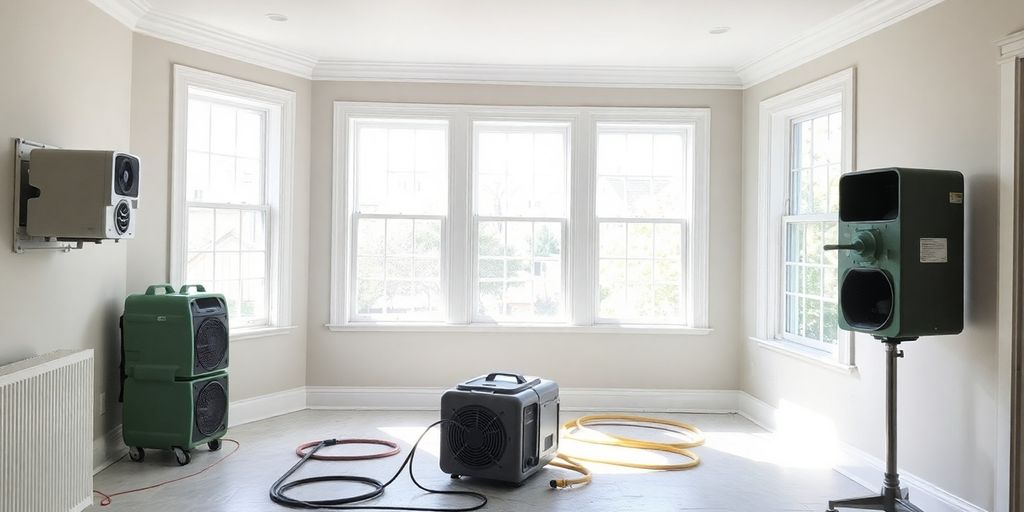
Water damage can be serious, and removing excess water quickly is essential. Restoration experts use special tools like submersible pumps and wet/dry vacuums to extract water. Here’s a quick overview of the process:
- Assessment: Identify the source and extent of the water damage.
- Water Extraction: Remove standing water using pumps and vacuums.
- Drying: Use air movers and dehumidifiers to dry out the area thoroughly.
Mold Remediation and Prevention
After water damage, mold can grow quickly. To prevent this, restoration teams:
- Inspect for mold growth.
- Use antimicrobial solutions to clean affected areas.
- Ensure proper ventilation to keep spaces dry.
Mold can pose health risks, so it’s crucial to address it immediately.
Cleaning and Sanitizing Affected Areas
Cleaning is vital after water damage. Restoration professionals:
- Use specialized cleaning agents to remove dirt and bacteria.
- Sanitize surfaces to ensure a safe environment.
- Deodorize spaces to eliminate unpleasant smells.
In summary, effective water damage restoration involves a series of steps that include extraction, drying, mold prevention, and thorough cleaning. By following these techniques, homeowners can recover their properties and ensure a safe living environment.
Structural Repairs and Reconstruction
Identifying Structural Compromises
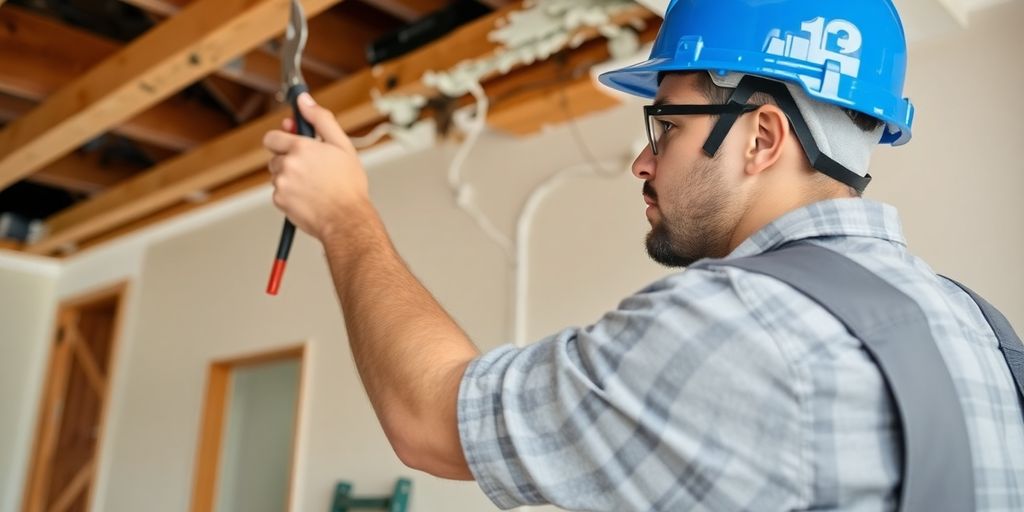
When your home suffers damage, the first step is to identify any structural issues. This includes checking for problems with beams, walls, and foundations. Understanding these issues is crucial to ensure safety and stability.
Planning and Executing Repairs
Once the damage is assessed, planning the repairs is essential. This may involve:
- Repairing or replacing damaged beams and columns.
- Fixing walls and foundations to restore strength.
- Ensuring that all repairs meet local building codes.
Ensuring Compliance with Building Codes
After repairs are made, it’s important to ensure that everything complies with building codes. This helps to maintain safety and can prevent future issues. At Reliable Restorations®, we specialize in structural repair services designed to strengthen and restore the integrity of commercial buildings.
Proper planning and execution of repairs can save homeowners from future headaches and expenses.
By following these steps, homeowners can effectively restore their properties and ensure they are safe and sound.
Content Restoration and Pack-Out Services
Evaluating and Salvaging Personal Belongings
When your home suffers from water damage, it’s essential to assess your personal items. The restoration team will carefully evaluate your belongings, including furniture, clothing, and electronics. They will determine which items can be saved and which may need to be replaced. This process is crucial for ensuring that your cherished possessions are handled with care.
Off-site Restoration Techniques
In some cases, a pack-out may be necessary. This means removing your belongings from the damaged area to a secure location. This allows the restoration team to work more efficiently. Once the restoration is complete, your items can be returned to your home. Here are some common steps involved in off-site restoration:
- Careful packing of items to prevent damage during transport.
- Cleaning and restoring items in a controlled environment.
- Documenting all items for insurance purposes.
Documenting for Insurance Purposes
Documentation is vital for insurance claims. The restoration team will take photographs and create a detailed list of all items affected by the damage. This helps ensure that you receive the compensation you deserve. Proper documentation can make a significant difference in the claims process.
In the aftermath of water damage, the focus should not only be on restoring the property but also on salvaging and preserving personal belongings. This comprehensive approach ensures that both your home and your cherished items are taken care of during the restoration process.
Maintaining Cleanliness and Safety Post-Restoration
After restoring your home, it’s crucial to keep it clean and safe. This ensures a healthy living environment for everyone. Here are some key steps to follow:
Conducting Thorough Inspections
- Check for any signs of leftover moisture or mold.
- Ensure all areas have been properly cleaned and sanitized.
- Look for structural issues that may have been overlooked.
Implementing Preventive Measures
- Seal any vulnerable entry points to prevent future water damage.
- Maintain drainage systems to avoid water buildup.
- Educate everyone in the home about early signs of water damage.
Educating Homeowners on Maintenance
- Provide training on proper cleaning techniques and mold prevention.
- Share emergency response protocols for water-related issues.
- Encourage regular inspections to catch problems early.
Keeping your home clean and safe is an ongoing effort. Regular checks and preventive actions can help maintain a healthy environment.
By following these steps, you can ensure that your home remains a safe haven after restoration. Remember, collaborating with professionals can also provide valuable support in maintaining cleanliness and safety.
Working with Insurance for Damage Restoration
Documenting Damage for Claims
Properly documenting the damage is essential for a smooth claims process. Taking clear photos and notes of the affected areas helps ensure you receive a fair settlement. Here are some steps to follow:
- Take multiple photos from different angles.
- Make a list of damaged items, including their age and value.
- Keep records of all communications with your insurance company.
Understanding Insurance Policies
Understanding your insurance policy is crucial. Here are some key points to consider:
- Read the fine print: Know your coverage limits and any exclusions.
- Ask your agent questions if something is unclear.
- Be aware of your deductible and how it affects your claim.
Communicating with Adjusters Effectively
When dealing with insurance adjusters, clear communication is key. Here’s how to manage this:
- Schedule an inspection with the adjuster as soon as possible.
- Accompany them during the inspection to ensure all damage is noted.
- Review their report carefully to confirm all damages are included.
Working with your insurance can be challenging, but staying organized and informed will help you navigate the process more smoothly.
By following these steps, you can effectively manage your insurance claims and focus on restoring your home after damage.
When dealing with damage to your home, working with your insurance can be tricky. It’s important to understand your policy and what it covers. If you need help navigating the claims process, our team at Ruach Home Services is here for you. We can assist you every step of the way to ensure you get the support you need. Visit our website to learn more about how we can help you with your restoration needs!
Conclusion
Recovering from water damage is a journey that requires careful steps and teamwork. By acting quickly and getting help from experts, homeowners can reduce the damage and restore their homes to a safe and comfortable state. It’s important to remember that cleaning and sanitizing are just as crucial as fixing the physical damage. This ensures that the home is not only repaired but also safe for everyone living there. In the end, with the right approach and support, homeowners can overcome the challenges of water damage and create a brighter, more secure future for their homes.
Frequently Asked Questions
What should I do first after experiencing water damage in my home?
The first step is to stay calm and assess the situation. Make sure everyone is safe, and then call a professional restoration company to handle the damage.
How can I tell if my home has water damage?
Look for signs like water stains on walls or ceilings, mold growth, or a musty smell. If you notice any of these, it’s important to check for hidden water damage.
What is the process of water damage restoration?
Water damage restoration involves assessing the damage, extracting water, drying the area, cleaning, and repairing any affected structures or items.
How long does the water damage restoration process take?
The duration varies based on the extent of the damage, but it typically takes a few days to a couple of weeks to complete the restoration.
Will my insurance cover water damage restoration?
It depends on your insurance policy. Most policies cover sudden and accidental water damage, but it’s best to check with your insurance provider for details.
What can I do to prevent water damage in the future?
To prevent future water damage, regularly inspect your home for leaks, maintain your roof and gutters, and ensure proper drainage around your property.