
Water damage can hit you out of nowhere, and when it does, it feels like everything’s falling apart. Whether it’s a burst pipe or a heavy rainstorm, knowing how to handle these situations can save you a lot of headaches and money. This guide will walk you through the basics of emergency services for water damage, so you’re prepared to act fast and smart when disaster strikes.
Key Takeaways
- Recognize the early signs of water damage like stains, odors, or unusual sounds.
- Act quickly by shutting off water sources and ensuring everyone’s safety.
- Understand the different categories of water damage to assess the situation better.
- Professional services play a crucial role in water extraction and restoration.
- Preventive measures like regular inspections can help avoid future water damage emergencies.
Recognizing the Signs of Emergency Water Damage
Visible Water Stains and Discoloration
One of the first hints that you might have a water damage issue is the appearance of water stains and discoloration on your walls or ceilings. These stains often look like brownish rings or patches that gradually grow if the water source isn’t addressed. Keep an eye out for streaks that might run down your walls, too. They’re not just unsightly; they can be a sign of a more serious problem lurking behind your drywall.
Unusual Sounds of Running Water
Ever hear water running when no one’s using it? That’s a red flag. The sound of running or dripping water, especially if it’s persistent, might mean there’s a hidden leak somewhere in your home. Listen for subtle noises, like a faint hissing or dripping, particularly at night when everything else is quiet.
Musty Odors and Mold Growth
If your home starts to smell musty, it’s time to investigate. That damp, earthy scent is often a sign of mold, which thrives in moist environments. Mold can grow quickly, sometimes within 24 to 48 hours of water exposure. Check for visible mold growth in corners or behind furniture, but remember, mold can also be hidden behind walls or under floors. Addressing these odors promptly can prevent more serious health risks and structural damage.
Detecting water damage early can save you from costly repairs and health hazards. If you notice any of these signs, consider it an emergency and act quickly.
Immediate Steps to Take During Water Damage Emergencies
When water damage strikes, acting swiftly can save you a lot of trouble and expense. Here’s what you need to do right away:
Shutting Off the Water Source
First things first, stop the water flow. Locate the source of the leak or flood and turn it off. This might mean shutting off the main water valve. It’s a simple step but crucial to prevent further damage. If you’re dealing with a burst pipe or overflowing appliance, cutting off the water supply can minimize destruction and help you get things under control.
Ensuring Safety of Occupants
Next, think about safety. Water and electricity don’t mix, so if water is near electrical outlets or appliances, turn off the power. Make sure everyone is safe and, if necessary, evacuate the area. This might seem like a no-brainer, but in the chaos of an emergency, it’s easy to overlook. Also, if the water damage is extensive, consider wearing protective gear like rubber boots and gloves.
Contacting Professional Services
Once you’ve handled the immediate threats, it’s time to contact professional services for help. These experts can assess the situation, start the drying process, and help prevent mold growth. They have the tools and expertise to handle the situation safely and efficiently. Plus, many insurance policies require professional intervention to cover the costs, so it’s a wise move to make that call sooner rather than later.
In the midst of a water damage emergency, quick thinking and decisive action can make all the difference. By promptly shutting off the water, ensuring safety, and getting professional help, you can limit the damage and start on the road to recovery.
Understanding the Types of Water Damage Categories
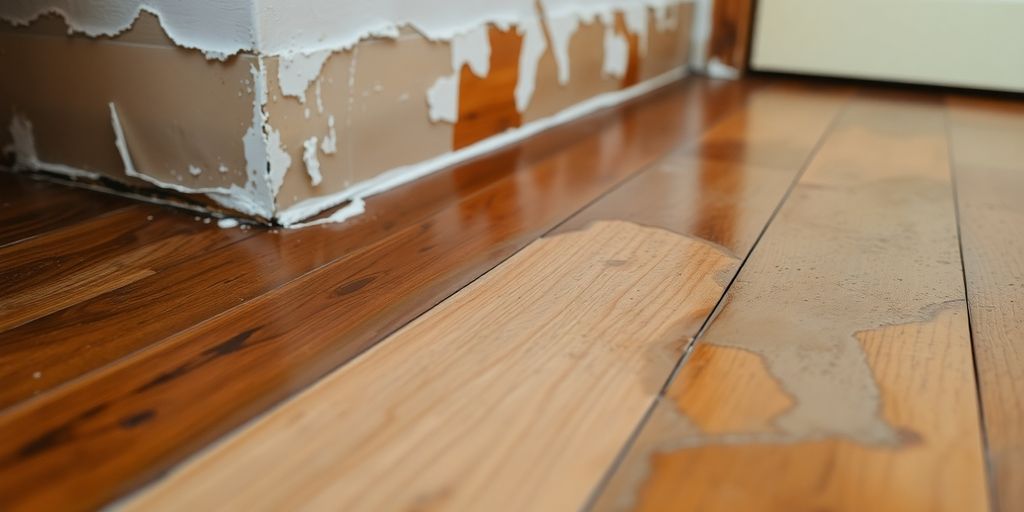
When dealing with water damage, it’s crucial to understand the different types of water involved. Each category dictates how the cleanup process should proceed and the precautions necessary to ensure safety. Here’s a breakdown of these categories:
Category 1: Clean Water
Category 1 water, often referred to as "clean water," originates from a source that poses no substantial risk to human health. This includes water from broken pipes, overflow from sinks, or malfunctioning appliances like a washing machine. While it might seem harmless at first, if left untreated, it can quickly escalate into a more serious situation as it becomes contaminated over time.
Category 2: Gray Water
Gray water is a bit more concerning. This type involves water that has been used and may contain some level of contaminants. It could come from washing machines, dishwashers, or toilet overflow (without feces). Contact with gray water can cause discomfort or illness, so it’s important to handle it with care.
Category 3: Black Water
Black water is the most dangerous and unsanitary type of water. It is typically contaminated with harmful agents such as sewage, floodwaters from rivers or streams, or stagnant water that has supported bacterial growth. Due to the high risk of infection and disease, dealing with black water requires specialized equipment and professional assistance.
Understanding these categories is not just about knowing what you’re dealing with—it’s about taking the right steps to protect your home and health. Whether it’s a minor leak or a major flood, knowing the category of water can guide you in managing the situation effectively.
For those in Ashburn, Virginia, it’s advisable to familiarize yourself with trusted brands for water damage restoration to ensure reliable and efficient service during such emergencies.
The Role of Professional Emergency Services in Water Damage
Assessment and Documentation
When water damage hits, the first step professional services take is to assess the affected areas. This means they check out everything from walls to floors, looking for any signs of water and moisture. They use specialized tools to detect moisture levels that aren’t visible to the naked eye. This thorough assessment is crucial because it helps in planning the next steps for restoration. Water mitigation professionals play a vital role in this process, ensuring that no hidden damage is left unchecked. Once they’ve got the lay of the land, they document everything. Photos, videos, and detailed notes are taken to provide a clear picture of the damage. This documentation isn’t just for the restoration process; it’s also important for insurance claims. Having a well-documented case makes it easier to get the coverage you need.
Water Extraction and Drying
After the assessment, it’s all about getting the water out. Professionals use high-powered pumps and vacuums to remove standing water quickly. The type of water—whether it’s clean, gray, or black—determines how they handle it. For instance, black water, which is highly contaminated, requires more careful handling. Once the water is out, the drying process begins. Industrial-strength fans and dehumidifiers are brought in to remove any remaining moisture. This step is crucial because lingering moisture can lead to mold growth, which is a whole other problem. They also monitor the drying process to ensure that all areas are completely dry before moving on.
Sanitization and Restoration
With the water gone and everything dried out, the next step is to sanitize the affected areas. This involves cleaning and disinfecting to remove any bacteria or mold spores that might have started growing. Depending on the severity of the damage, they might need to remove and replace drywall, flooring, or other materials. The goal here is to not just restore the area to its previous state but to make it safe and healthy for occupants. Professional services work efficiently to ensure that your home or business is back to normal as soon as possible. They also assist with any necessary repairs, ensuring the structural integrity of the building is maintained.
Professional emergency services are your best bet for tackling water damage swiftly and effectively. They bring the expertise and equipment needed to handle even the toughest situations, ensuring your home or business is safe and sound.
Preventive Measures to Avoid Water Damage Emergencies
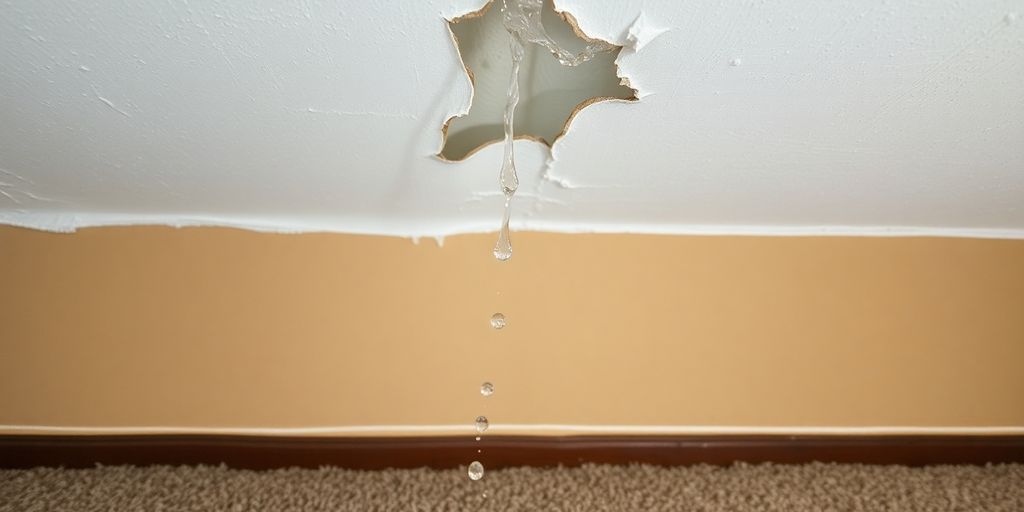
Water damage can be a nightmare, but with some smart planning, you can avoid most emergencies. Here are a few preventive steps to consider:
Regular Plumbing Inspections
One of the simplest ways to prevent water damage is by keeping an eye on your plumbing. Regular inspections can catch small leaks before they turn into big problems. You might not always see or hear leaks, so having a professional check things out every once in a while is a good idea. They can spot potential issues like corrosion or worn-out pipes that could lead to water damage.
Proper Drainage Systems
Ensuring your home has a good drainage system is crucial. Poor drainage can lead to water pooling around your foundation, which might cause flooding. Make sure gutters and downspouts are clear of debris and direct water away from your home. Consider installing French drains or sump pumps if your property is prone to water accumulation.
Installing Water Leak Detectors
Technology can be a lifesaver when it comes to water damage. Water leak detectors are devices that alert you when they sense moisture where it shouldn’t be. Place them near appliances like dishwashers, washing machines, and water heaters. Some advanced models can even shut off the water supply automatically when a leak is detected.
Remember, a little maintenance goes a long way in preventing major headaches down the line. Regular checks and updates to your home’s systems can save you time, money, and stress.
By following these steps, you can significantly reduce the risk of water damage emergencies in your home. Staying proactive is key, and it can help you avoid the hassle and expense of dealing with water damage repairs. If you’re unsure about any of these steps, consulting with professionals like Ruach Home Services can provide peace of mind and expert advice.
Insurance and Legal Considerations in Water Damage Scenarios
Documenting Damage for Claims
When water damage strikes, one of the first things you should do is document everything. Take photos and videos of the affected areas as soon as it’s safe to do so. This visual evidence is crucial for your insurance claim, showing the extent of the damage before any cleanup begins. It’s not just about the big stuff; even minor details can matter. Make notes of any conversations you have with your insurer, including dates and times, to keep a clear record of your actions.
Understanding Policy Coverage
Not all water damage is covered by insurance. Generally, homeowners insurance covers sudden and accidental water damage, such as from a burst pipe, provided it is not due to neglect or lack of maintenance. However, flooding from external sources like heavy rainfall is usually not covered unless you have specific flood insurance. It’s important to read your policy closely and even talk to your insurance agent to understand what is and isn’t covered. Knowing this in advance can save you a lot of stress and financial strain.
Working with Adjusters
Once you’ve reported the damage, an insurance adjuster will likely visit to assess the situation. Be prepared to walk them through the damage and provide all documentation you’ve gathered. It’s a good idea to ask questions during this process to understand how they are evaluating the damage and what you can expect in terms of coverage. Keep in mind that adjusters are there to help, but they also work for the insurance company, so staying informed and assertive about your rights and coverage is beneficial.
Water damage can be overwhelming, but understanding your insurance and legal rights can make the process smoother and less stressful. Remember, preparation and knowledge are your best tools in navigating these challenging situations.
Long-term Effects of Unaddressed Water Damage
Structural Integrity Issues
Ignoring water damage can lead to serious structural problems in your home. Over time, water can seep into the foundation, weakening the structure and causing it to become unstable. This can result in cracks in the walls, sagging ceilings, and even a compromised foundation. The longer the water sits, the more damage it can cause, leading to costly repairs. If left unaddressed, these issues can make your home unsafe to live in.
Health Risks from Mold
One of the most significant health risks associated with untreated water damage is mold growth. Mold thrives in damp environments and can spread quickly through your home. Exposure to mold can cause a variety of health problems, including respiratory issues, allergies, and asthma. It’s crucial to address water damage promptly to prevent mold from taking hold and affecting your family’s health.
Financial Implications
The financial impact of unaddressed water damage can be substantial. Not only will you face the cost of repairing structural damage, but you’ll also need to consider the expense of removing mold and restoring your home to a safe condition. Additionally, untreated water damage can significantly decrease your property’s value. Untreated water damage can result in serious structural problems, promote mold growth, and significantly reduce property value. Potential buyers may be wary of purchasing a home with a history of water damage, leading to lower offers or difficulty selling the property.
Long-term water damage isn’t just about the immediate costs. It’s about the hidden dangers that lurk behind walls and under floors, waiting to cause bigger problems down the line. Addressing the issue now can save you from a world of trouble in the future.
Ignoring water damage can lead to serious problems over time. It can cause mold growth, structural issues, and even health risks for your family. If you suspect water damage in your home, don’t wait! Visit our website to learn how we can help you restore your space and keep your home safe.
Wrapping It Up
So, there you have it. Dealing with water damage is no joke, and knowing when to call in the pros can save you a ton of headaches. Whether it’s a burst pipe or a sneaky leak, acting fast is key. Remember, water damage can escalate quickly, leading to bigger problems like mold or structural issues. It’s always better to be safe than sorry, so don’t hesitate to reach out to emergency services when things get wet and wild. Keep this guide handy, and you’ll be better prepared to tackle any water woes that come your way. Stay dry out there!
Frequently Asked Questions
What are the first steps to take when water damage occurs?
First, turn off the water source if possible. Then, ensure everyone is safe and contact a professional water damage service to assess and start the cleanup.
How can I tell if water damage is an emergency?
Water damage is an emergency if you see large amounts of water, hear running water when everything is off, or notice mold or a musty smell.
What should I do to prevent mold after water damage?
To prevent mold, dry the area quickly using fans and dehumidifiers. You can also use mold prevention sprays and keep the area well-ventilated.
Is all water damage covered by insurance?
Not all water damage is covered. It depends on your policy and the cause of the damage. It’s best to check with your insurance provider.
Can I stay in my house during water damage repairs?
It depends on the extent of the damage. If it’s safe and doesn’t affect your health, you might stay. Otherwise, temporary relocation may be needed.
How can I prepare my home to avoid future water damage?
Regularly check plumbing, keep gutters clean, and install water leak detectors. These steps can help prevent future water damage.