
Mold in your home is more than just an eyesore; it’s a potential health risk and a financial burden. Dealing with it isn’t just about cleaning up but understanding how your home insurance fits into the picture. This article breaks down what you need to know about mold remediation and when your insurance might step in to help.
Key Takeaways
- Home insurance might cover mold if it comes from sudden water damage, like a burst pipe.
- Gradual mold issues from neglect or maintenance problems usually aren’t covered.
- Extra mold coverage can be added to your policy, but it might cost more.
- Documenting mold damage thoroughly is crucial when filing a claim.
- Preventing mold through moisture control and regular checks can save you headaches.
Understanding Home Insurance Mold Remediation
What is Mold Remediation?
Mold remediation is the process of identifying, cleaning, and removing mold from an indoor environment. It’s not just about cleaning visible mold; it involves addressing the underlying moisture problem to prevent future growth. Effective mold remediation often requires professional intervention, especially if the affected area is larger than 10 square feet or if the mold is caused by contaminated water.
Why Mold Remediation is Important
Mold isn’t just an eyesore; it can damage your home’s structure and impact your health. Mold spores can trigger allergies and respiratory issues, especially in sensitive individuals. Ignoring mold can lead to costly repairs and health problems, so addressing it promptly is crucial.
Common Causes of Mold in Homes
Mold thrives in damp environments. Here are some common causes:
- Leaky pipes and roofs: Even a small drip can lead to mold if left unchecked.
- High humidity: Homes in humid climates or with poor ventilation are more susceptible.
- Flooding: Water damage from floods can create perfect conditions for mold growth.
Regular home maintenance and inspections can help prevent mold from taking hold. Identifying and fixing leaks early can save you from bigger problems down the line.
When Does Home Insurance Cover Mold Remediation?
Covered Perils Leading to Mold
Homeowners insurance can be a real lifesaver when it comes to mold, but only if the mold results from a covered peril. Think sudden events like a burst pipe or water damage from a fire. These are typically covered by standard policies. For example, if your washing machine hose suddenly bursts and water soaks into the walls, leading to mold, your insurance might step in to help with the mold remediation.
Additional Mold Coverage Options
Not all mold situations are covered by standard policies. That’s where additional mold coverage comes into play. Some insurers offer extra protection specifically for mold, which you can add to your existing policy. This coverage might help when mold isn’t directly linked to a covered peril. Of course, this added layer of security usually comes with an extra premium.
Exclusions in Mold Coverage
There are plenty of scenarios where mold damage won’t be covered. If mold growth is due to neglect, like a leaking roof you ignored for months, don’t expect your insurance to cover it. Mold from floods is another common exclusion, so you might want to consider a separate flood insurance policy. Always review your policy annually to understand what’s covered and what’s not.
Steps to Take When Filing a Mold Claim
Documenting Mold Damage
When you spot mold in your home, the first step is to document the damage thoroughly. Snap photos of the affected areas, capturing the extent of the mold and any other damage it may have caused. This visual evidence is crucial when you present your case to the insurance company. Make sure you also jot down notes about when and where you first noticed the mold.
Contacting Your Insurance Provider
Once you’ve gathered your documentation, reach out to your insurance provider as soon as possible. Filing your claim quickly can help expedite the process and minimize further damage. Many insurers offer multiple ways to file a claim, such as online, via a mobile app, or by phone. Be prepared to provide all the evidence you’ve collected and be ready to answer questions about the possible cause of the mold.
Hiring a Professional Mold Remediation Service
While it might be tempting to tackle mold removal yourself, it’s often best left to the professionals. A licensed and insured mold remediation service can ensure the job is done safely and effectively. Before hiring, verify their credentials and experience. Ask about their process, the products they use, and any guarantees they offer. This not only helps ensure the mold is removed properly but also supports your insurance claim by showing you’ve taken all necessary steps to mitigate the issue.
Filing a mold damage claim can feel overwhelming, but by acting swiftly and methodically, you can navigate the process more smoothly. Remember, your insurer is there to assist you, so keep communication lines open and document everything meticulously.
Preventing Mold Growth in Your Home

Moisture Control Techniques
Keeping moisture in check is the first step in preventing mold. Moisture control is essential for mold prevention, emphasizing the need to manage water entry into buildings and crawl spaces. Check for leaks in pipes, roofs, and windows regularly. Fixing these issues promptly can stop mold before it starts.
- Inspect your home for leaks: Regularly check under sinks, around toilets, and near appliances like dishwashers and washing machines.
- Use exhaust fans: Installing fans in bathrooms and kitchens helps reduce moisture by improving ventilation.
- Maintain gutters and downspouts: Ensure they direct water away from your home to prevent seepage into the foundation.
Regular Home Inspections
Don’t wait until a small problem becomes a big one. Regular inspections can save you a lot of trouble down the road. Look for signs of water damage like peeling paint or warped wood, which can indicate hidden moisture problems.
- Schedule routine checks: Inspect your home at least twice a year for any signs of water damage.
- Watch for condensation: Check windows and walls for condensation, which can lead to mold growth.
- Hire a professional: If you’re unsure, consider hiring a home inspector to assess potential moisture issues.
Regular inspections are like a health check-up for your home, catching small issues before they become major headaches.
Proper Ventilation and Insulation
Good airflow and proper insulation are crucial in keeping mold at bay. Without them, moisture can build up, creating a perfect breeding ground for mold.
- Ensure your home is well-ventilated: Open windows when weather permits and use fans to circulate air.
- Insulate properly: Proper insulation prevents warm, moist air from condensing on cold surfaces, reducing the risk of mold.
- Avoid carpeting in damp areas: Consider tile or other non-porous flooring in bathrooms and basements to prevent mold growth.
By focusing on these strategies, you can create a home environment that’s less inviting for mold, keeping your living space healthy and safe.
The Costs and Benefits of Mold Remediation
Average Costs of Mold Remediation
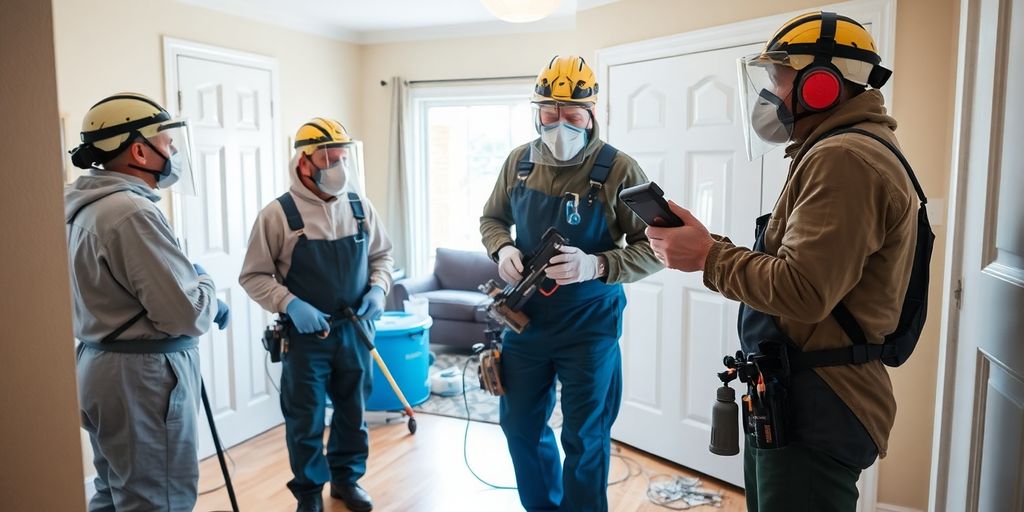
Dealing with mold in your home can be a pricey endeavor. On average, mold remediation in the U.S. costs around $2,235. This figure can vary significantly based on the extent of the mold growth and the area affected. For minor issues, you might spend a few hundred dollars, but extensive damage could run into the thousands. It’s crucial to weigh these costs against the potential damage mold can cause if left untreated.
Financial Impact of Filing a Claim
Filing a mold claim with your insurance might seem like a good idea, but it’s not always straightforward. If your deductible is high, say $2,000, and the mold remediation costs $2,235, your insurer only covers the remaining $235. Plus, filing a claim can increase your premiums, so sometimes it’s more cost-effective to pay out of pocket. Consider the size of the infestation and whether it’s worth the potential hike in insurance costs.
Long-term Benefits of Professional Remediation
Investing in professional mold remediation can save you headaches down the road. Not only does it address the immediate problem, but it also helps prevent future growth. Professionals, like those at Ruach Home Services, use specialized tools to contain and remove mold, ensuring your home is safe and clean. Proper remediation can improve indoor air quality and protect your home’s structural integrity, ultimately saving money on potential repairs.
Health Risks Associated with Mold Exposure
Common Health Symptoms
Mold exposure can lead to a variety of health symptoms. Some people might experience allergic reactions like sneezing, runny noses, or itchy eyes. Others could face respiratory issues, especially if they have asthma or other existing lung conditions. Prolonged exposure to mold might even cause chronic headaches or fatigue. It’s not just about the immediate discomfort; these symptoms can seriously affect your day-to-day life.
Vulnerable Populations
Certain groups of people are more at risk when it comes to mold exposure. Young children, the elderly, and those with weakened immune systems can suffer more severe health effects. For these vulnerable populations, even minor mold exposure can lead to significant health challenges. It’s crucial to ensure that living environments are safe and mold-free, especially for these individuals.
Preventive Health Measures
Preventing mold exposure is all about being proactive. Here’s a quick list of what you can do:
- Maintain low indoor humidity: Aim for humidity levels between 30-50% to discourage mold growth.
- Ventilate damp areas: Use fans or dehumidifiers in places like bathrooms and basements.
- Fix leaks promptly: Address any plumbing issues or roof leaks immediately to prevent mold from taking hold.
Keeping your home dry and well-ventilated is key to avoiding the health risks associated with mold. Simple actions can make a big difference in maintaining a healthy living space.
Choosing the Right Mold Remediation Professional
Qualities to Look For
When you’re dealing with mold, you want the best person for the job. Experience is key—look for professionals who have been in the business for a while. They should know the ins and outs of mold removal, and how to handle different types of mold. Check if they’re licensed and insured, which means they’re recognized by local authorities and covered for any mishaps.
A good mold specialist will also have a strong reputation. Ask around or read reviews online to see what past clients have to say. You want someone who is reliable and gets the job done right.
Questions to Ask
Before hiring, have a chat with potential mold remediation experts. Here are a few questions you might consider:
- How long have you been doing this kind of work?
- Can you provide references from past clients?
- What is your approach to mold removal?
- Do you offer a guarantee for your work?
- Are you certified by any professional organizations?
These questions will help you gauge their expertise and whether they’re the right fit for your needs.
Verifying Credentials and Experience
Don’t just take their word for it—verify their credentials. Ask to see their certifications and check if they’re up-to-date. Organizations like the Institute of Inspection, Cleaning and Restoration Certification (IICRC) offer certifications that are recognized in the industry.
It’s also wise to hire separate companies for mold testing and remediation. This ensures there’s no conflict of interest and you get unbiased results. A professional with the right training can effectively treat mold and prevent it from coming back.
Choosing the right professional can make a huge difference in the outcome of your mold problem. It’s not just about getting rid of the mold; it’s about making sure it doesn’t come back.
When it comes to mold remediation, picking the right expert is key. You want someone who knows what they’re doing and can keep your home safe. Don’t wait until it’s too late! Visit our website today to find out how we can help you tackle mold issues effectively. Your home deserves the best care!
Wrapping It Up
So, there you have it. Mold and home insurance can be a bit of a tricky combo. It’s all about knowing what’s covered and what’s not. If mold pops up because of something sudden, like a burst pipe, your insurance might help out. But if it’s from a slow leak you didn’t fix, you’re probably on your own. Keep an eye on moisture, fix leaks fast, and maybe think about extra coverage if you’re worried. At the end of the day, staying on top of home maintenance is your best bet to keep mold at bay and your insurance in check. And remember, when in doubt, give your insurance agent a call—they’re there to help.
Frequently Asked Questions
What is mold remediation?
Mold remediation is the process of cleaning up and removing mold from an indoor environment. It involves identifying the source of moisture, containing the mold, and cleaning or removing affected materials to prevent further growth.
Does home insurance cover mold damage?
Home insurance may cover mold damage if it results from a covered peril, like a burst pipe. However, it usually doesn’t cover mold caused by neglect or maintenance issues. Check your policy or talk to your insurance agent to know what’s covered.
How can I prevent mold in my home?
To prevent mold, control moisture by fixing leaks, using dehumidifiers, and ensuring proper ventilation. Regularly inspect your home for water damage and keep humidity levels low.
What should I do if I find mold in my home?
If you find mold, document the damage with photos, contact your insurance provider, and hire a professional mold remediation service to safely remove it.
What are common signs of mold in a home?
Common signs of mold include a musty odor, visible mold growth, and health symptoms like allergies or respiratory issues. If you suspect mold, consider a professional inspection.
Why is mold remediation important?
Mold remediation is important because mold can cause health problems and damage your home. Removing mold helps protect your family’s health and maintain your home’s structural integrity.