
Mold can be a serious problem in homes, causing not only damage to the structure but also health issues for the residents. Home insurance coverage for mold damage can be confusing. This article aims to clarify how home insurance covers mold damage, what is typically included, and what isn’t. Understanding this can help homeowners make informed decisions about their coverage and how to handle mold issues effectively.
Key Takeaways
- Home insurance may cover mold damage if it results from a sudden event, like a burst pipe.
- Neglect and maintenance issues usually lead to mold damage that is not covered by insurance.
- Flood damage is typically excluded from standard homeowners insurance policies.
- Preventing mold growth is essential and can save you from costly damage.
- Consider additional coverage options specifically for mold remediation.
What is Mold and Why is it a Concern?
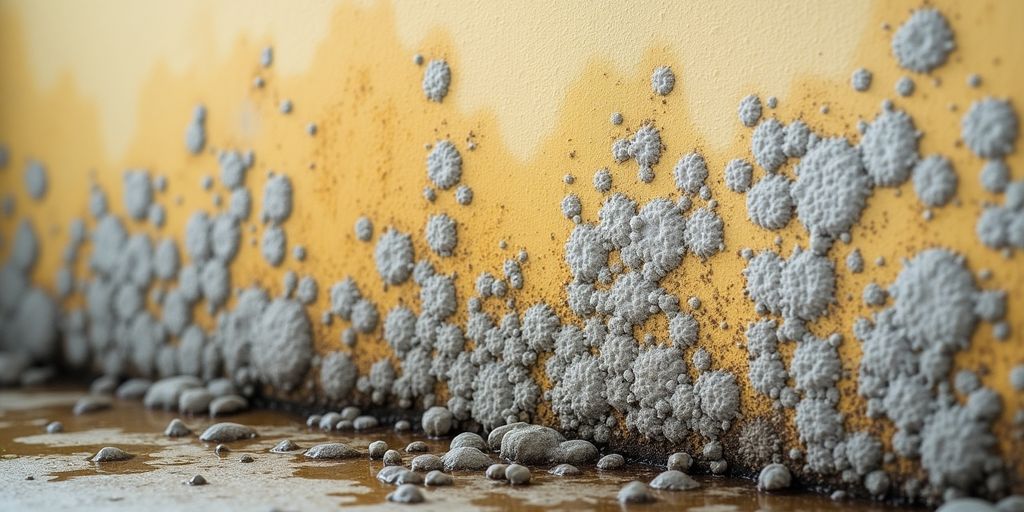
Mold is a type of fungus that can grow in damp areas of your home. It can be a serious issue for homeowners because it can lead to health problems and damage to your property. Mold thrives in moist environments, making it essential to control humidity levels in your home.
Health Risks Associated with Mold
Mold can cause various health issues, especially for those with allergies or respiratory problems. Common symptoms include:
- Sneezing
- Coughing
- Itchy eyes
- Skin irritation
Structural Damage Caused by Mold
If left untreated, mold can weaken the structure of your home. It can damage:
- Walls
- Ceilings
- Floors
- Insulation
Common Causes of Mold Growth
Mold often grows due to:
- Water leaks
- High humidity
- Poor ventilation
Mold can be more than just an eyesore; it can pose health risks and cause substantial structural damage to your property.
To prevent mold, it’s crucial to address any water damage quickly. For instance, if you experience a sudden leak, prompt leak repairs are essential to avoid mold growth. Regular inspections can help catch issues before they escalate, ensuring your home remains safe and healthy.
When Does Home Insurance Cover Mold Damage?
Home insurance can help with mold damage, but only in certain situations. Generally, mold is covered when it results from a covered peril. This means that if something unexpected happens, like a pipe bursting, and it causes water damage that leads to mold, your insurance may pay for the cleanup and repairs.
Covered Perils Leading to Mold
- Accidental water damage: If a water heater breaks and causes mold, it’s likely covered.
- Fire-related water damage: If firefighters use water to put out a fire, and mold grows afterward, you may be covered.
- Burst or frozen pipes: These incidents can also lead to mold growth that your insurance might cover.
Additional Mold Coverage Options
Some insurance policies offer extra coverage for mold. If you have this added protection, you can file a claim for mold damage even if it’s not linked to a covered peril. However, this usually comes with a separate cost.
Examples of Covered Mold Incidents
Here are a few examples of when your home insurance might cover mold:
- A washing machine leak that leads to mold.
- Water damage from a broken roof after a storm.
- Mold growth after a fire is put out with water.
Understanding your policy is key. Always check with your insurance agent to know what is covered and what isn’t.
In summary, while home insurance can cover mold damage, it’s important to know the specific situations that qualify. Always read your policy carefully to avoid surprises later on.
When Home Insurance Does Not Cover Mold Damage
Home insurance can be very helpful, but there are times when it won’t cover mold damage. Understanding these exceptions is important for homeowners.
Neglect and Maintenance Issues
If mold growth is due to neglect, your insurance likely won’t cover it. This includes situations like:
- Ignoring a water leak.
- Not fixing a leaky roof.
- Failing to maintain proper ventilation in damp areas, like bathrooms.
Flood Damage Exclusions
Standard home insurance policies usually do not cover mold damage caused by floods. If you live in a flood-prone area, you will need a separate flood insurance policy. This is important because mold can grow quickly after a flood, and without the right coverage, you could be left with high costs.
Gradual Mold Infestation
Mold that develops slowly over time is often not covered. Insurance companies see this as a maintenance issue rather than a sudden event. For example, if a small leak goes unnoticed for months, leading to mold, it may not be covered.
Homeowners should regularly check for leaks and maintain their property to prevent mold growth.
In summary, understanding when your home insurance does not cover mold damage can help you take the right steps to protect your home. Always check your policy and consider additional coverage options if needed, especially for situations like sump pump failures or water backups that can lead to mold growth.
Steps to Take When Filing a Mold Damage Claim
When you discover mold in your home, it’s important to act quickly. Here are the steps you should follow:
Documenting Mold Damage
- Take photos and videos of the affected areas. This includes any visible mold and water damage.
- Create a list of all damaged items. Be as detailed as possible, as this will help your claim.
- Keep records of any communications with your insurance company.
Working with Insurance Adjusters
- Contact your insurance company as soon as possible to report the mold damage.
- Be prepared to provide the documentation you collected.
- Stay honest about the extent of the damage; false information can hurt your claim.
Hiring Professional Mold Remediation Services
- If the mold is extensive, consider hiring professionals for cleanup. They have the right tools and expertise to handle the situation safely.
- Make sure to choose a licensed and insured contractor with experience in mold remediation. This ensures that the job is done correctly and reduces the risk of future mold growth.
Remember, acting quickly can help prevent further damage and make the claims process smoother. Mold can start to grow in as little as 24 hours, so don’t delay in taking action!
Preventing Mold Growth in Your Home
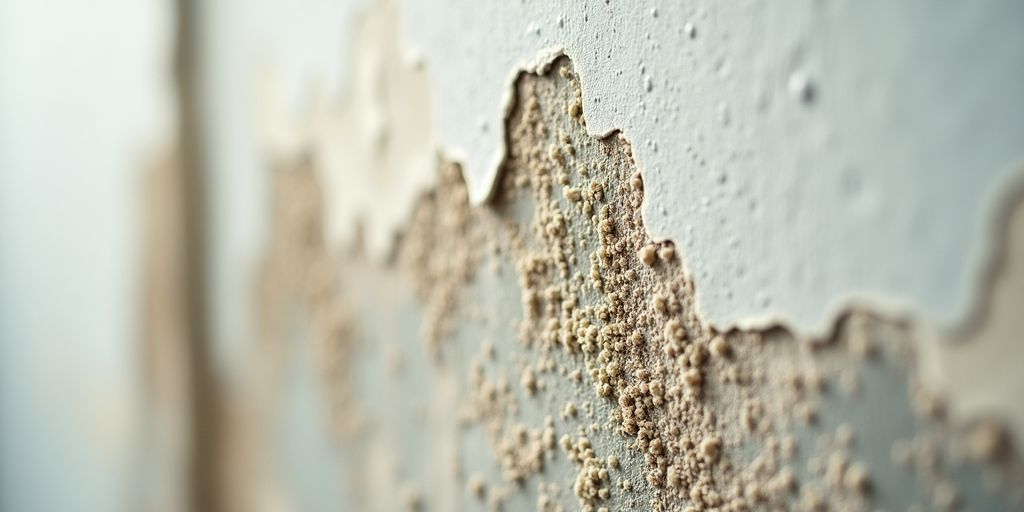
Mold can be a serious problem in any home, but there are steps you can take to keep it from growing. Prevention is key! Here are some effective strategies to help you maintain a mold-free environment:
Effective Moisture Control Techniques
- Control moisture levels: Keep an eye on areas that tend to get damp. Fix any leaks in pipes or roofs immediately.
- Use dehumidifiers: If you live in a humid area, a dehumidifier can help keep the air dry and less inviting for mold.
- Check ventilation: Ensure that bathrooms and kitchens are well-ventilated to reduce moisture buildup.
Importance of Proper Ventilation
- Install exhaust fans: These can help remove moisture from the air, especially in high-humidity areas.
- Open windows: Whenever possible, let fresh air circulate through your home to keep humidity levels down.
- Use air conditioners: They not only cool your home but also help reduce humidity.
Regular Home Inspections and Maintenance
- Inspect regularly: Look for signs of water damage or mold growth in hidden areas like basements and attics.
- Maintain appliances: Regularly check appliances that use water, like dishwashers and washing machines, for leaks.
- Professional help: If you suspect mold, consider hiring professional mold remediation services to ensure thorough inspection and removal.
Keeping your home dry and well-ventilated is essential for preventing mold growth. Regular maintenance can save you from costly repairs and health issues later on!
Understanding Additional Coverage Options for Mold
When it comes to protecting your home from mold damage, additional coverage options can be a lifesaver. Many insurance policies offer specific add-ons for mold remediation, which can help you file a claim even if the mold isn’t linked to a covered peril. However, this extra protection usually comes with its own premium.
Sump Pump and Water Backup Coverage
- This coverage can help pay for mold damage caused by a failed sump pump or a backed-up sewer line.
- It’s important to note that this coverage typically does not apply to gradual issues, like leaks from your home’s foundation.
- Consider adding this option if you live in an area prone to heavy rain or flooding.
Flood Insurance and Mold
- Standard homeowners insurance often excludes flood damage, which can lead to mold growth.
- If you live in a flood-prone area, you may need a separate flood insurance policy.
- Even with flood insurance, mold damage may not be covered unless specific conditions are met.
Equipment Breakdown Coverage
- This option can cover mold damage resulting from the failure of home systems, like HVAC units.
- If your air conditioning unit breaks down and leads to moisture buildup, this coverage can help.
- Always check with your insurer to understand the specifics of this coverage.
Understanding these additional coverage options is crucial for every homeowner. They can provide peace of mind and financial support when dealing with mold issues.
In summary, while standard homeowners insurance may not cover all mold-related incidents, exploring these additional options can help protect your home from unexpected mold damage. Always consult with your insurance agent to ensure you have the right coverage in place.
Tips for Choosing the Right Home Insurance Policy
When selecting a home insurance policy, it’s important to consider several factors to ensure you get the best coverage for your needs. Here are some tips to help you make an informed decision:
Evaluating Mold Coverage Options
- Check if mold damage is covered: Not all policies cover mold damage, so it’s crucial to ask your insurance provider about this.
- Look for policies that offer additional coverage for mold, especially if you live in a humid area.
- Understand the limits of coverage for mold-related claims.
Comparing Insurance Providers
- Research different companies: Look for reviews and ratings to find reputable insurance providers.
- Get quotes from multiple insurers to compare prices and coverage options.
- Ask about discounts for bundling home and auto insurance or for having safety features in your home.
Reading the Fine Print of Policies
- Carefully review the policy details: Pay attention to exclusions and limitations regarding mold and water damage.
- Make sure you understand the deductible amounts and how they apply to mold claims.
- Don’t hesitate to ask your agent for clarification on any confusing terms or conditions.
Choosing the right home insurance policy is essential for protecting your home from unexpected damages, including mold. Take your time to research and compare options to find the best fit for your needs.
By following these tips, you can make a more informed choice when it comes to your home insurance policy, ensuring that you are adequately covered against mold damage and other potential risks.
When picking the best home insurance, it’s important to think about what you really need. Look for a policy that covers your home and belongings well, and don’t forget to check the reviews of different companies. For more tips and to find the right coverage for you, visit our website today!
Final Thoughts on Mold Coverage in Home Insurance
In conclusion, understanding how home insurance deals with mold damage is really important for homeowners. Mold can cause serious health problems and damage to your home, so knowing when your insurance will help is key. Remember, if mold comes from a sudden issue like a burst pipe, your insurance might cover it. However, if it’s due to neglect or slow leaks, you might be on your own. To keep your home safe, check for leaks, control humidity, and keep everything clean. If you ever find mold, document it well and talk to your insurance agent to see what help you can get. Being prepared can save you a lot of trouble and money.
Frequently Asked Questions
What is mold and why should I worry about it?
Mold is a type of fungus that can grow in damp places. It can cause health problems like allergies and breathing issues, and it can damage your home.
Does home insurance cover mold damage?
Home insurance may cover mold damage if it comes from a sudden event, like a burst pipe. However, it usually doesn’t cover mold from neglect or long-term moisture problems.
What should I do if I find mold in my home?
If you find mold, take pictures of the damage and clean up any water. You may need to hire professionals for safe removal.
How can I prevent mold from growing in my home?
You can prevent mold by controlling moisture, using dehumidifiers, and ensuring good ventilation in your home.
What types of insurance cover mold damage?
Some policies offer extra coverage for mold. Check with your insurance provider to see what options are available.
What happens if my insurance claim for mold is denied?
If your claim is denied, you can appeal the decision. If the mold was caused by something not covered, you will need to handle the cleanup yourself.