
Ever had a pipe burst or a sneaky leak that turned your home into a mini-swamp? It’s not just the water you have to worry about. Mold loves to crash the party and can show up faster than you’d think. Mold after water damage isn’t just an eyesore; it can mess with your health and your home’s value. This guide will walk you through what happens when water damage invites mold over and how you can kick it out for good.
Key Takeaways
- Mold can start growing within 24 to 48 hours after water damage, so quick action is crucial.
- Common household molds include Aspergillus, Stachybotrys (black mold), Cladosporium, and Ulocladium.
- Health issues from mold exposure range from mild allergies to serious respiratory problems.
- Effective prevention includes immediate water removal, using dehumidifiers, and opting for mold-resistant materials during repairs.
- Professional mold remediation might be necessary for severe cases to ensure thorough cleanup.
The Science Behind Mold Growth After Water Damage
Understanding Mold and Mildew
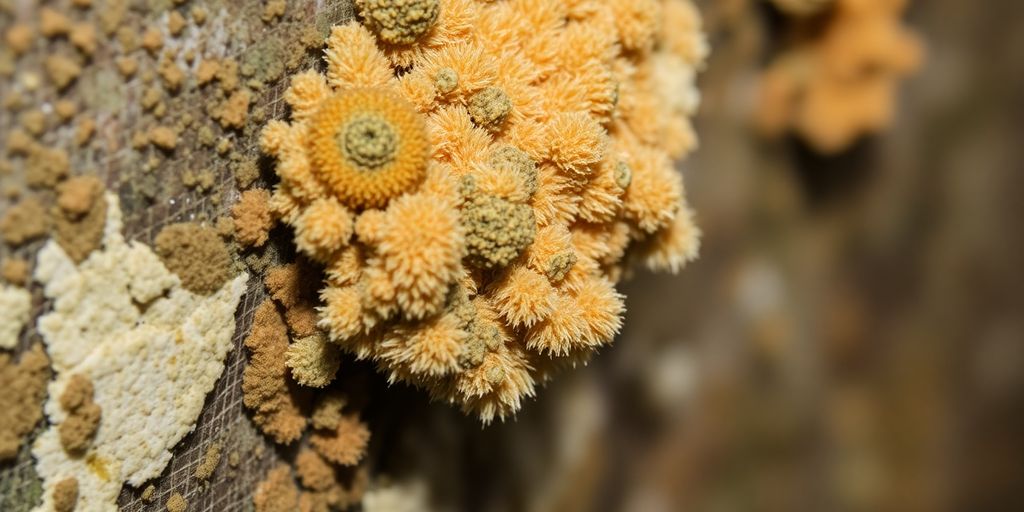
Mold and mildew are sneaky little fungi that love moisture. They’re not just a nuisance; they can actually cause some serious damage if left unchecked. Mold spores are always present in the air, but they need the right conditions to grow. When water damage happens, it creates a perfect storm for mold to thrive. Mold spores settle on damp surfaces, and if the area stays wet, they start to multiply. This is why mold growth indoors is such a common issue after water damage.
Common Types of Mold Found in Homes
In homes, you’ll often find several types of mold, each with its own unique characteristics. Some of the usual suspects include:
- Aspergillus – Often found in dust and can grow on a variety of materials.
- Cladosporium – This one loves fabrics and wood, especially in damp areas.
- Stachybotrys Chartarum – Commonly known as black mold, it’s notorious for its potential health impacts.
These molds can be more than just unsightly; they can pose health risks, so it’s important to identify and address them quickly.
How Mold Spreads in Damp Environments
Mold spreads by releasing tiny spores into the air. These spores are like tiny seeds, floating around until they find a damp spot to land and grow. In a water-damaged home, these spores can quickly find new places to settle. Damp environments are a mold’s paradise, because moisture is the key ingredient they need to grow. Once mold takes hold, it can spread rapidly, moving from room to room, sometimes in less than 48 hours. Keeping areas dry and well-ventilated is crucial to stopping mold in its tracks.
When dealing with mold after water damage, it’s not just about cleaning up the visible mess. You need to dry everything thoroughly and keep an eye out for any signs of mold returning. It’s a battle, but one that’s worth fighting to keep your home safe and healthy.
Health Risks Associated with Mold After Water Damage
Allergic Reactions and Respiratory Issues
Mold spores are tiny and can easily become airborne, making them easy to inhale. For those with allergies, this can mean a runny nose, itchy eyes, and sneezing. Breathing in mold spores can lead to serious respiratory issues, especially for those with asthma or other lung conditions. It’s not just about sneezing—mold can cause coughing and even shortness of breath.
Long-term Health Effects of Mold Exposure
Living with mold isn’t just uncomfortable; it can be dangerous. Long-term exposure to mold can lead to chronic fatigue, headaches, and even cognitive issues. Some people might find themselves unusually tired or struggling with memory problems. Infants, the elderly, and those with weakened immune systems are particularly at risk. If you suspect mold is affecting your health, it’s important to seek medical advice.
Identifying Symptoms of Mold Exposure
Mold exposure symptoms can be tricky to pin down because they often mimic other conditions. Common signs include:
- Persistent coughing or sneezing
- Skin irritation or rashes
- Watery or itchy eyes
If you’re experiencing these symptoms and suspect mold, it’s worth investigating further. Sometimes, a musty odor can be a clue that mold is present, even if you can’t see it. In such cases, a professional inspection might be necessary to confirm mold presence and address water damage effectively.
Effective Mold Prevention Strategies Post-Water Damage
Immediate Water Removal Techniques
When water damage hits, the clock starts ticking. Mold can start growing within 24 to 48 hours, so getting rid of standing water is your first priority. Use a wet/dry vacuum for small areas, but if you’re dealing with a flooded basement, you might need professional equipment.
- Extract water: Use pumps or specialized vacuums.
- Remove soaked items: Carpets, furniture, and any wet materials should be taken out immediately.
- Monitor moisture: Keep checking for hidden water pockets in walls or flooring.
Using Dehumidifiers and Ventilation
After you’ve tackled the standing water, focus on the air. Mold loves moisture in the air, too. This is where ventilation and dehumidification come into play. Open windows if possible, and run fans and dehumidifiers to get the air moving and dry.
- Dehumidifiers: These machines pull moisture from the air, which is crucial after water damage.
- Fans: Increase air circulation to help dry out the space.
- Natural ventilation: Open doors and windows to let fresh air in, speeding up the drying process.
Mold-Resistant Materials for Renovation
Once things are dry, think about the future. Using mold-resistant materials can be a game-changer. Consider drywall that’s paperless or treated with mold inhibitors, and special paints that create a barrier against moisture.
- Mold-resistant drywall: Less prone to mold because it doesn’t have paper backing.
- Specialty paints: These can add an extra layer of protection on walls.
- Flooring options: Look into vinyl or tile instead of carpet, which can trap moisture.
Keeping your home dry and well-ventilated is not just about comfort—it’s about preventing potential health risks and structural damage from mold.
Detecting Mold After Water Damage: Signs and Testing
Visual Indicators of Mold Growth
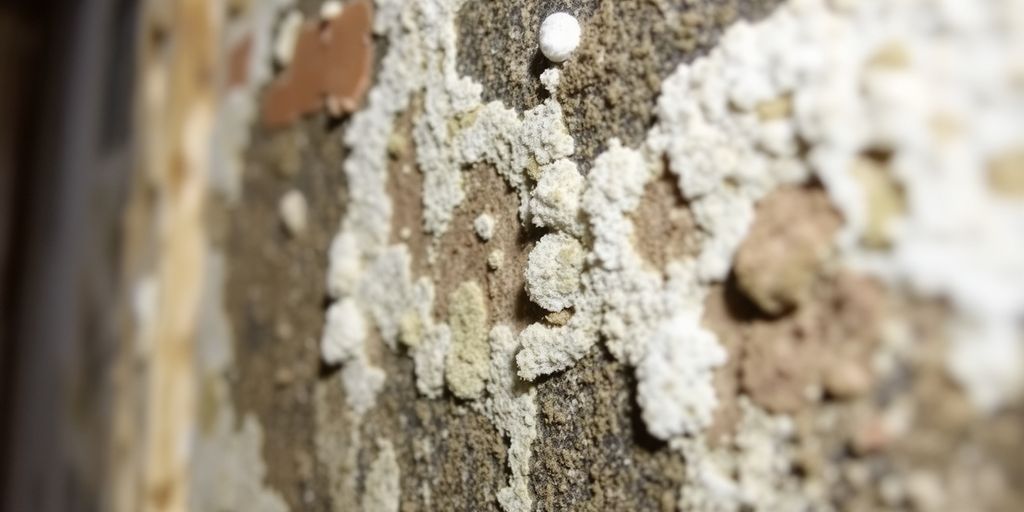
Spotting mold in your home often starts with your eyes. Mold can appear as discoloration, spots, or patches on walls, ceilings, and floors. These patches might be black, green, white, or even orange or pink, depending on the mold type. Regularly checking damp and dark areas like basements, bathrooms, and under sinks is crucial, as these are prime spots for mold growth. If you notice any unusual discoloration or spotting, it’s a clear sign that mold might be present and needs addressing promptly.
The Role of Professional Mold Testing
Sometimes mold hides in places you can’t see, making professional mold testing a smart move. Professional testing can confirm mold presence, especially in hidden areas like behind wall coverings or ceiling tiles. Mold inspectors use specialized tools to detect mold levels and identify the types of mold present, providing a comprehensive assessment of your home’s mold situation.
DIY Mold Detection Kits: Pros and Cons
DIY mold detection kits are an option for those looking to save money. These kits are easy to use and can quickly indicate whether mold is present in your home. However, they might not be as thorough as professional testing. While they can confirm mold presence, they often can’t specify the type or the extent of mold growth. So, while DIY kits are helpful for initial checks, they shouldn’t replace a professional evaluation if you suspect a serious mold problem.
Mold hides in the most unexpected places, and sometimes what you can’t see can hurt you. Relying solely on visual checks isn’t enough; consider professional testing to ensure your home is safe from hidden mold dangers.
If you spot signs like bubbling paint or water stains, it’s essential to act quickly to prevent mold from becoming a bigger issue.
Steps for Successful Mold Remediation
Professional Mold Remediation Services
When your home is hit by water damage, mold can quickly become an unwelcome guest. The first step in tackling this issue is to consider hiring professional mold remediation services. These experts start with a thorough assessment to identify the type and extent of mold growth. Using specialized tools like air scrubbers and HEPA vacuums, they ensure that mold spores are removed effectively. Professional services bring peace of mind, knowing that the job is done right and safely.
DIY Mold Removal Methods
For those who prefer a hands-on approach, DIY mold removal can be an option for minor infestations. Start by wearing protective gear such as gloves and masks. Use household cleaners like bleach or vinegar to scrub away mold from hard surfaces. It’s crucial to dry the area completely after cleaning to prevent mold from coming back. Remember, DIY methods are best suited for small, non-toxic mold issues.
Safety Precautions During Mold Cleanup
Whether you’re handling mold yourself or hiring professionals, safety should always come first. Mold can be harmful, especially to those with allergies or respiratory issues. Always wear protective clothing, including gloves, goggles, and masks, to minimize exposure. Ensure the area is well-ventilated to reduce inhaling mold spores. Taking these precautions can help protect your health while dealing with mold cleanup.
The Impact of Mold on Property Value and Home Integrity
Structural Damage Caused by Mold
Mold isn’t just an eyesore; it can seriously mess with your home’s structure. It sneaks into places like walls, floors, and even the foundation, eating away at materials like wood and drywall. This can lead to sagging floors, crumbling walls, and in some cases, major structural failures. If you spot mold, it’s not just about cleaning it up; you might have to replace entire sections of your home.
Mold’s Effect on Property Resale Value
When it comes to selling your home, mold is a huge red flag for potential buyers. A house with a mold problem can see a significant drop in its market value. Buyers are wary because mold suggests hidden issues, like water damage or poor maintenance. Plus, the cost of remediation can be a deal-breaker. So, if you’re thinking of selling, tackling any mold issues beforehand is crucial.
Preventing Long-term Damage to Your Home
Preventing mold isn’t just about keeping your home looking good—it’s about maintaining its value and safety. Here are a few steps you can take:
- Quickly fix leaks: Whether it’s a dripping faucet or a leaky roof, address water issues immediately.
- Improve ventilation: Use exhaust fans in bathrooms and kitchens to reduce humidity.
- Use mold-resistant materials: If you’re renovating, consider materials like mold-resistant drywall and paint.
Ignoring mold can lead to costly repairs and even health problems. Act fast and make sure your home stays a safe place to live.
By staying on top of these issues, you can protect your home from mold and keep its value intact.
Choosing the Right Mold Remediation Professionals
What to Look for in a Mold Remediation Company
Finding the right mold remediation company is like picking the right doctor. You want someone who knows their stuff and can handle your situation with care. Certification is a biggie. Look for companies whose technicians are certified by reputable organizations like the Restoration Industry Association (RIA). This means they’ve put in the hours and passed tough exams to get that badge.
Besides certification, check out their experience. A company with years under its belt has seen it all and knows how to tackle even the trickiest mold problems. Don’t forget to read reviews or ask around to see what other folks say about them. A good reputation goes a long way.
Questions to Ask Before Hiring
Before you sign on the dotted line, fire off some questions to potential companies. Ask about their process: How do they assess mold, what tools do they use, and how do they ensure the mold doesn’t come back? Inquire if they handle both testing and remediation or if you’ll need separate services. Hiring separate companies for mold testing and remediation can sometimes be beneficial.
Also, make sure they’re insured. Accidents happen, and you want to be covered if something goes sideways. Lastly, get a clear timeline and cost estimate. Surprises are great for birthdays, not for bills.
Understanding Mold Remediation Costs
Mold remediation isn’t cheap, but understanding the costs can help you budget better. Costs can vary based on the size of the affected area and the extent of the damage. Some companies charge by the square foot, while others might have a flat rate for certain services.
Be wary of prices that seem too good to be true. They often are. A low quote might mean corners are being cut, which could lead to more mold down the line. Instead, look for a company that offers a detailed breakdown of costs so you know exactly what you’re paying for.
Remember, choosing the right professionals for mold remediation isn’t just about fixing a problem—it’s about ensuring your home stays safe and healthy for the long haul.
When it comes to mold remediation, picking the right experts is key. You want a team that knows what they’re doing and can keep your home safe. Don’t wait until it’s too late! Visit our website today to learn more about how we can help you tackle mold issues effectively. Your home deserves the best care!
Conclusion
So, there you have it. Mold after water damage is no joke, and dealing with it can be a real headache. But, if you act fast and follow some basic steps, you can keep it from becoming a bigger problem. Remember, the key is to dry things out quickly and keep the air moving. Use dehumidifiers, fans, and open windows if you can. Get rid of any wet stuff lying around, and don’t forget to clean and disinfect the area. If things get out of hand, don’t hesitate to call in the pros. They know what they’re doing and can help you get your home back to normal. Stay on top of it, and you’ll be able to keep your home safe and mold-free.
Frequently Asked Questions
How fast can mold grow after water damage?
Mold can start growing in as little as 24 to 48 hours after water damage occurs. It’s important to act quickly to dry out the area and prevent mold from spreading.
What are some common signs of mold in the house?
Common signs of mold include a musty smell, visible patches of black, green, or white spots on walls or ceilings, and health symptoms like sneezing or coughing.
How can I prevent mold after water damage?
To prevent mold, remove any standing water immediately, use fans and dehumidifiers to dry out the area, and clean surfaces with a disinfectant.
Is it safe to clean mold myself, or should I hire a professional?
For small areas, you can clean mold yourself using protective gear and cleaning agents. However, for large infestations or if you have health concerns, it’s best to hire a professional.
What health problems can mold cause?
Mold can cause health issues like allergic reactions, asthma attacks, and other respiratory problems. Long-term exposure can lead to more severe health effects.
Does mold affect the value of my home?
Yes, mold can decrease the value of your home. It can cause structural damage and make it less appealing to potential buyers.