
Mold damage in the home is a problem that many homeowners face. It’s not just about the unsightly spots on walls or that musty smell lingering in the air. Mold can actually pose serious health risks and cause structural damage if not addressed. Understanding where mold comes from, its effects, and how to deal with it is crucial for maintaining a safe and healthy living environment.
Key Takeaways
- Mold thrives in damp, poorly ventilated areas like bathrooms and basements.
- Health risks include allergies and respiratory issues, especially for sensitive individuals.
- Identifying mold early can prevent extensive damage and costly repairs.
- DIY removal is possible for small areas, but large infestations may require professional help.
- Preventative measures, like controlling humidity, can keep mold at bay.
Causes of Mold Damage in Home
Common Sources of Moisture
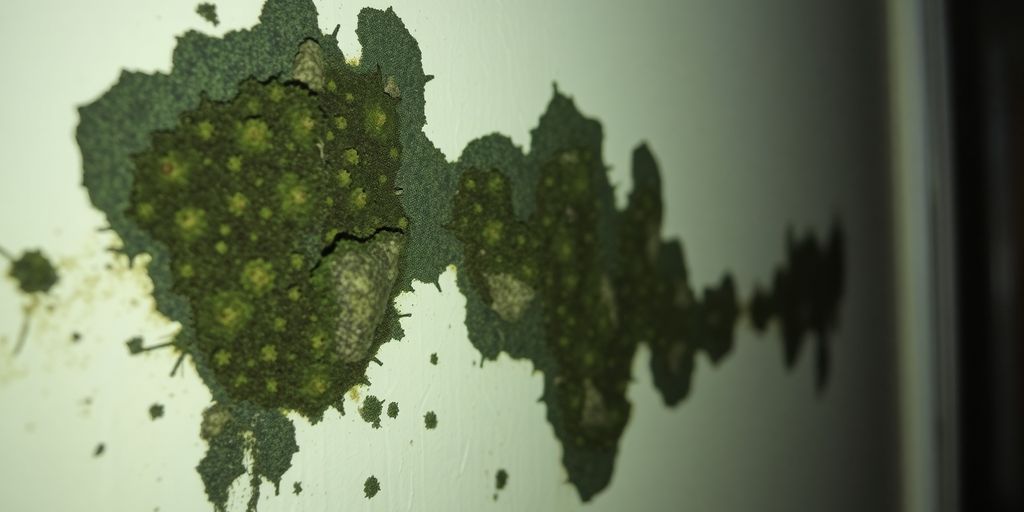
Mold thrives in damp environments, and the most common sources of moisture in homes include leaks from roofs, windows, or pipes. Unchecked leaks can lead to persistent dampness, creating ideal conditions for mold growth. Additionally, flooding, whether from natural disasters or plumbing failures, can introduce large amounts of moisture into a home, often seeping into walls, carpets, and furniture.
Environmental Factors Contributing to Mold Growth
Environmental conditions like high humidity and poor ventilation can significantly contribute to mold proliferation. In regions with frequent rain or high humidity levels, homes can struggle to stay dry, allowing mold to flourish. Moreover, lack of adequate airflow in areas like basements or attics can trap moisture, further exacerbating mold issues.
Identifying Hidden Mold Sources
Sometimes, the sources of mold aren’t immediately visible. Mold can lurk behind wallpaper, under carpets, or within wall cavities, making it difficult to detect until significant damage occurs. Musty odors can be a telltale sign, prompting further investigation. Regular inspections, especially in older homes, can help uncover these hidden mold sources before they become a major problem.
Mold damage is not just about visible spots on walls or ceilings. It’s often hidden, silently spreading and causing damage behind the scenes. Regular maintenance and vigilance are key to preventing mold from taking hold in your home.
Health Effects of Mold Damage in Home
Allergic Reactions and Symptoms
Mold exposure can trigger allergic reactions in many people. Common symptoms include sneezing, runny noses, itchy eyes, and skin rashes. These symptoms often mimic those of other allergies, making it tricky to pinpoint mold as the culprit without further investigation. For those sensitive to mold, even a small amount can cause discomfort.
Respiratory Issues and Asthma
Mold is notorious for aggravating respiratory conditions. Inhaling mold spores can lead to coughing, wheezing, and shortness of breath. For individuals with asthma, mold can be a severe trigger, potentially causing asthma attacks or making existing symptoms worse. Exposure to mold can even contribute to the development of asthma in those previously unaffected.
Vulnerable Populations at Risk
Certain groups of people are more susceptible to the effects of mold. Infants, the elderly, and those with weakened immune systems, such as individuals undergoing chemotherapy or living with chronic illnesses, are particularly at risk. These populations may experience more severe reactions or complications due to mold exposure.
Mold isn’t just an annoyance; it can significantly impact health, especially for those with pre-existing conditions. Ensuring your home is mold-free is a crucial step in maintaining a healthy living environment.
Identifying Mold Damage in Home
Visual Signs of Mold Infestation
Mold can be sneaky, but often it leaves visible clues. You might notice black, green, or even white spots on walls, ceilings, or floors. These spots can be fuzzy or slimy, depending on the type of mold. Pay attention to areas prone to moisture, like bathrooms and basements. If you see discoloration or peeling paint, it might be a sign that mold is lurking underneath.
Detecting Mold Through Odor
Sometimes, mold isn’t visible, but you can smell it. A musty, earthy odor is a common giveaway. This smell can be especially strong in enclosed spaces like attics or crawl spaces. If you catch a whiff of something off, it’s worth investigating further.
Professional Mold Testing Methods
When you’re unsure about mold presence, or if you suspect it’s hidden, calling in the pros can be the best move. Professional mold testers use specialized equipment to detect mold levels in the air and on surfaces. They can also identify the type of mold, which can be crucial for effective removal. While home testing kits are available, they often lack the accuracy and reliability of professional testing.
Mold can be more than just an eyesore; it can be a health hazard. If you suspect mold in your home, taking action sooner rather than later can prevent bigger problems down the line.
For more detailed steps on identifying and managing mold issues, consider checking out these 13 practical tips to keep your home mold-free.
Effective Solutions for Mold Damage in Home
DIY Mold Removal Techniques
Tackling mold on your own can be a viable option if the affected area is small, say less than 10 square feet. Start by scrubbing the moldy surface with a mixture of dish soap and water. Don’t forget to dry the area thoroughly afterward. For more stubborn patches, a mild bleach solution can be used, but remember to keep the space well-ventilated. Always wear protective gear like gloves and masks when dealing with mold to protect yourself from spores.
When to Call a Professional
Sometimes, DIY just won’t cut it. If mold keeps coming back, covers a large area, or if anyone in the home is experiencing health issues, it might be time to bring in the experts. Ruach Home Services offers comprehensive mold remediation services, starting with a thorough inspection and ending with preventive measures to stop mold from returning. They use specialized tools and techniques to ensure your home is mold-free.
Preventative Measures to Avoid Mold Recurrence
Keeping mold at bay involves a few simple steps:
- Control Humidity: Use dehumidifiers to keep indoor humidity between 30-50%.
- Ventilation: Ensure proper airflow in damp areas like bathrooms and kitchens.
- Fix Leaks: Promptly repair any leaks in your roof, windows, or plumbing.
- Regular Maintenance: Schedule regular home inspections to catch potential mold issues early.
A proactive approach to mold prevention can save you time and money in the long run, ensuring a healthy living environment for you and your family.
Preventing Mold Damage in Home
Controlling Indoor Humidity Levels
Keeping humidity in check is key to stopping mold from taking over your home. Aim to keep indoor humidity between 30-50%. You can use a hygrometer to keep an eye on these levels. If you notice condensation on windows or other surfaces, it’s a sign to adjust your humidifiers or use a dehumidifier. Also, make sure your air conditioning system is working properly to help manage moisture levels. Check drip pans and ensure that drain lines are clear and functioning.
Proper Ventilation and Airflow
Good airflow is your friend when it comes to mold prevention. Use exhaust fans in bathrooms and kitchens to push moisture outside. Opening windows can also help, especially when you’re cooking or taking a shower. Ensure that your clothes dryer is vented to the outside. If you’ve got a basement or crawl space, make sure they’re well-ventilated too. Moving furniture away from walls can improve air circulation, which helps keep mold at bay.
Regular Home Maintenance and Inspections
Routine checks around your home can catch potential mold issues before they start. Fix leaks in your roof, plumbing, or windows as soon as you spot them. Keep gutters clean to avoid water buildup, and make sure the ground slopes away from your house to prevent water from seeping in. Consider using mold-resistant products when renovating, like mold-resistant drywall or paint. Regularly inspect areas prone to dampness, such as basements and attics, to catch any signs of mold early on.
Keeping your home mold-free isn’t just about cleanliness; it’s about creating an environment where mold can’t thrive. By managing moisture and ensuring proper airflow, you can protect your living space from unwanted mold invasions.
Understanding Different Types of Mold in Home
Common Household Molds
In our homes, molds like Aspergillus, Penicillium, and Cladosporium often make an appearance. They thrive in damp environments, such as bathrooms and basements. These molds can trigger allergies and other health issues. Aspergillus, for example, can be found in various colors like green or yellow and can cause allergic reactions or respiratory infections. Meanwhile, Penicillium is known for its blue or green appearance and is notorious for its rapid spread indoors.
Toxic Molds and Their Risks
Toxic molds, such as Stachybotrys, commonly called black mold, are less frequent but more concerning. Black mold loves humid environments and can lead to serious health problems, including respiratory issues and neurological symptoms. It’s crucial to identify and remove black mold promptly to ensure safety. If you suspect its presence, it’s often best to consult a professional for proper identification and removal.
Mold vs. Mildew: Key Differences
While often used interchangeably, mold and mildew have distinct differences. Mildew is a specific type of mold that generally grows flat on surfaces and is easier to clean. It often appears on shower walls and windowsills. Mold, however, can penetrate deeper into surfaces, making it harder to remove. Both indicate excessive moisture, but mildew is typically less of a threat to your home’s structural integrity. Keeping areas dry and well-ventilated can help prevent both issues from taking hold.
Recognizing the type of mold in your home is the first step in addressing the problem effectively. With the right approach, you can maintain a healthy and mold-free environment.
Mold can be a sneaky problem in homes, and understanding its different types is key to keeping your space safe. If you notice any signs of mold, don’t wait! Visit our website for expert help and tips on how to deal with mold effectively. Your home deserves the best care!
Wrapping It Up
So, there you have it. Mold in your home isn’t just a pesky problem; it can be a real health concern if left unchecked. From those annoying sniffles to more serious respiratory issues, mold can wreak havoc on your well-being. But the good news? With a bit of know-how and some elbow grease, you can tackle mold head-on. Remember, keeping your home dry and well-ventilated is key. Fix those leaks, clean up spills quickly, and don’t ignore that musty smell. By staying on top of these things, you can keep mold at bay and breathe a little easier. Here’s to a healthier, mold-free home!
Frequently Asked Questions
What are the common types of mold found in homes?
The usual molds found indoors include Cladosporium, Penicillium, and Aspergillus. Sometimes, you might also find black mold, known as Stachybotrys chartarum, which can be dark green or black.
How can I remove mold from clothes?
To get rid of mold on clothes, take them outside to brush off the mold and let them dry in the sun. Then, wash them with detergent, and you can add bleach or lemon juice and salt if needed. Always check care labels for special instructions.
What should I do to get rid of mold on wood?
Dry the wood with heat and air first. You can scrub the mold off with water and dish soap. If that doesn’t work, try a solution with washing soda or trisodium phosphate. Sometimes, damaged wood may need to be replaced.
How much does it cost to remove mold from a house?
The cost can vary a lot, depending on how big the problem is and where the mold is located. It usually ranges from a few hundred to a few thousand dollars.
Is it safe to clean black mold by myself?
For small areas, you can clean black mold yourself using protective gear. For larger areas or if you’re worried about health risks, it’s better to call professionals.
How can I prevent mold in my bathroom?
To keep mold away in your bathroom, make sure it has good ventilation, use a dehumidifier, and clean surfaces regularly with solutions that prevent mold.