
Mold from water damage is a sneaky problem that can mess up your home and your health. It often starts with something simple like a leaky pipe or a bit of flooding. Before you know it, mold can spread fast, especially if the area stays damp and isn’t dried out quickly. This article is all about understanding this issue and finding ways to prevent and fix it. We’ll cover everything from spotting mold early to deciding whether to tackle it yourself or call in the pros.
Key Takeaways
- Mold can grow quickly after water damage, so it’s important to act fast.
- Look out for signs like musty smells or discolored spots on walls and ceilings.
- Drying out wet areas quickly can help prevent mold from starting.
- Using mold-resistant materials can be a smart move during repairs.
- Sometimes, it’s best to get professional help, especially for big mold problems.
The Basics of Mold from Water Damage
Understanding Mold and Mildew
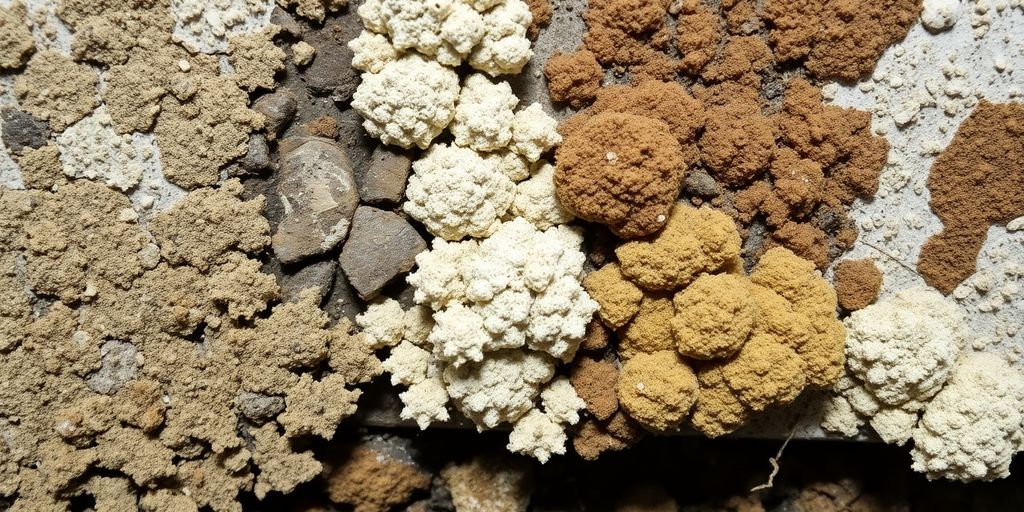
Mold and mildew are types of fungi that thrive in damp, humid conditions. They reproduce by releasing spores into the air, which can latch onto surfaces and grow into new colonies. This is why any water damage in a home, like a leaky pipe or a flooded basement, can quickly lead to mold issues if not addressed promptly. Mold isn’t just an eyesore; it can damage the structure of your home and impact your health.
- Mold: Typically appears as black or green patches. It can grow on walls, ceilings, and other surfaces.
- Mildew: Often looks powdery and white or gray. It usually forms on damp surfaces like shower walls.
Common Types of Mold Found in Homes
Several types of mold are commonly found indoors. Here are a few to watch out for:
- Aspergillus: Often found in dust, this mold can grow on food and in air conditioning systems.
- Cladosporium: Can grow in cool and warm areas and is often found on fabrics and wood.
- Stachybotrys Chartarum: Known as black mold, it thrives on materials with high cellulose content like paper and fiberboard.
Health Risks Associated with Mold Exposure
Exposure to mold can lead to a variety of health issues. Common symptoms include:
- Sneezing and runny nose
- Skin rashes
- Watery eyes and irritation
For those with asthma or allergies, mold can exacerbate symptoms and lead to more severe health problems. Long-term exposure can potentially lead to chronic respiratory issues and other serious health conditions. It’s important to address mold problems quickly to minimize these risks.
Mold isn’t just a household nuisance; it’s a health hazard. If you spot mold, take action immediately to protect your home and health.
Detecting Mold from Water Damage
Signs of Mold Growth
Mold can be sneaky, often hiding in places you least expect. But there are tell-tale signs you shouldn’t ignore. A musty odor is one of the first indicators that mold might be lurking around. You might also notice spots of discoloration on your walls, floors, or ceilings. These could be greenish, black, or even white patches. Health symptoms like persistent sneezing, coughing, or skin irritation can also suggest mold is present.
Professional Mold Testing Methods
When it comes to confirming mold’s presence, especially in hidden areas like behind walls or under carpets, professional testing is the way to go. Experts use sophisticated tools to detect mold spores in the air and surfaces. This method is thorough and can pinpoint the exact mold type and concentration, which is crucial for effective remediation. If you’re dealing with a significant mold issue, consider reaching out to Ruach Home Services for a detailed inspection and professional advice.
DIY Mold Detection Techniques
For those who prefer a more hands-on approach, DIY mold detection kits are available. These kits allow you to collect samples from your home and send them to a lab for analysis. While not as comprehensive as professional methods, they offer a cost-effective way to identify potential mold problems. Keep in mind, though, that DIY kits might not detect every type of mold, especially those hidden behind walls or in less accessible areas.
Mold detection is about vigilance and knowing the signs. Catching it early can save you a lot of trouble and expense down the line.
Preventing Mold Growth After Water Damage
Effective Water Removal and Drying Techniques
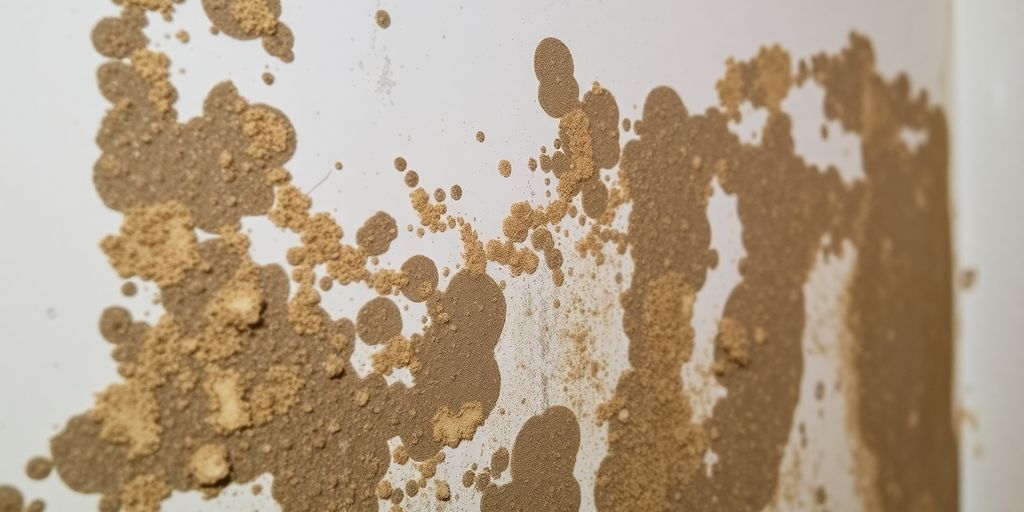
When water damage hits, acting fast is key to stopping mold from setting up shop. The first 24 to 48 hours are crucial. Start by removing any standing water using pumps or wet vacuums. Fans and dehumidifiers can help speed up the drying process. Make sure to ventilate the area well—open windows and doors if possible. This helps to lower the humidity levels, cutting down the chances of mold growth.
"Swift action in the wake of water damage can save you from a mold nightmare."
Using Mold-Resistant Materials
If you’re repairing or renovating after water damage, think about using mold-resistant materials. Mold-resistant drywall is a good choice because it doesn’t have the paper that mold loves to munch on. You can also use mold-resistant paint, which gives your walls an extra layer of protection. These materials might cost a bit more upfront, but they can save you a lot of hassle—and money—in the long run.
Maintaining Low Humidity Levels
Keeping the humidity in check is a big part of preventing mold. Aim for a humidity level below 60%. A dehumidifier can be a great help, especially in damp areas like basements and bathrooms. It’s also smart to keep an eye on humidity levels with a hygrometer. Regular maintenance of HVAC systems can also aid in controlling humidity, ensuring that moisture doesn’t build up in your home.
Taking these steps not only helps in preventing mold but also keeps your home environment healthy and comfortable. If water damage occurs, document the damage promptly and contact professionals to assist with the drying and restoration process.
Remediation Strategies for Mold from Water Damage
Steps in the Mold Remediation Process
Dealing with mold after water damage can be a daunting task, but understanding the process can make it more manageable. Here’s a quick rundown of the essential steps:
- Assess and Isolate: A professional will evaluate the extent of the mold problem and isolate the affected area to prevent spores from spreading.
- Remove Contaminated Materials: This involves tearing out mold-infested drywall, insulation, and other materials.
- Clean and Disinfect: Surfaces are scrubbed and treated with biocides to kill mold spores.
- Dry the Area: Using fans and dehumidifiers, the area is thoroughly dried to prevent future mold growth.
- Restore and Rebuild: Once the mold is removed, rebuilding can begin with new, mold-resistant materials.
Choosing Between DIY and Professional Remediation
Deciding whether to handle mold remediation yourself or hire a professional can depend on several factors:
- Size of the Infestation: Small areas (less than 10 square feet) can often be handled by homeowners, while larger infestations typically require professional intervention.
- Health Concerns: If anyone in the household has allergies or respiratory issues, it’s wise to hire experts.
- Complexity: Mold hidden behind walls or in HVAC systems should be removed by professionals to ensure thorough cleaning.
Importance of Addressing Underlying Causes
It’s not enough to just remove the mold; you must also tackle the root cause of the moisture problem. Whether it’s a leaky roof, poor ventilation, or plumbing issues, fixing these problems is crucial to prevent mold from returning.
Mold remediation is not just about getting rid of the visible mold; it’s about creating an environment where mold cannot thrive. Addressing the cause of moisture is as important as the cleanup itself.
Impact of Mold on Property and Health
Effects on Property Value
Mold can be a homeowner’s nightmare when it comes to property value. It doesn’t just look bad; it can severely impact the structural integrity of your home. Buyers tend to shy away from properties with mold issues, fearing costly repairs and health risks. Here’s how mold can affect your property:
- Structural Damage: Mold feeds on organic materials like wood and drywall, leading to rot and weakening of structural components.
- Aesthetic Issues: Visible mold stains can be hard to remove and often require complete replacement of affected materials.
- Resale Challenges: Homes with a history of mold problems can linger on the market longer and often sell for less.
Health Implications of Mold Exposure
Living in a mold-infested environment is not just unpleasant but can also be harmful to your health. Mold releases spores into the air, which can be inhaled or come into contact with the skin, leading to various health issues:
- Respiratory Problems: Mold exposure can cause coughing, wheezing, and throat irritation.
- Allergic Reactions: Symptoms include sneezing, runny nose, and skin rashes.
- Aggravation of Asthma: People with asthma may experience more frequent and severe attacks.
Mold isn’t just a nuisance; it’s a health hazard. Prolonged exposure can lead to chronic respiratory issues and other serious health conditions.
Long-term Consequences of Mold Infestation
Ignoring mold problems can lead to long-term consequences that go beyond immediate health and property damage. Here are some potential long-term impacts:
- Increased Maintenance Costs: Continuous mold issues can lead to repeated repairs and renovations.
- Insurance Complications: Mold damage may not always be covered by insurance, leading to out-of-pocket expenses.
- Health Decline: Ongoing exposure to mold can lead to persistent health problems, increasing medical costs and impacting quality of life.
Addressing mold issues promptly is crucial. If you’re dealing with water damage, it’s essential to take immediate steps to prevent mold growth, ensuring your home remains safe and your property value intact.
Insurance Considerations for Mold Damage
Understanding Coverage for Mold Damage
When it comes to dealing with mold damage, understanding your insurance coverage is key. Most homeowners’ insurance policies cover mold damage if it’s a result of a "covered peril," like sudden water damage from a burst pipe. However, if mold growth is due to negligence or long-term issues, like a slow leak, your claim might be denied. It’s important to know what’s in your policy and consider additional coverage if needed.
Documenting Mold Damage for Claims
Proper documentation is crucial when filing a mold damage claim. Start by taking clear photos of the mold and any water damage that caused it. Keep detailed records of all communications with your insurance company. This can help avoid disputes and ensure a smoother claims process. Remember, mold claims necessitate careful documentation to support your insurance claim.
Navigating Insurance Claims for Mold Remediation
Filing an insurance claim for mold remediation can be complex. Many policies cap the coverage amount for mold damage, often between $1,000 and $5,000. Knowing these limits can help set realistic expectations. It might be wise to consult with a professional or a public adjuster to help you through the claims process and ensure you get the compensation you deserve.
Handling mold damage can be stressful, but understanding your insurance policy and documenting everything thoroughly can make the process more manageable. Don’t hesitate to seek professional help if needed.
When dealing with mold damage, it’s crucial to understand how your insurance can help. Many policies cover mold removal, but it’s important to check your specific coverage. If you suspect mold in your home, don’t wait! Visit our website to learn more about how we can assist you with mold remediation and insurance claims. Your home deserves the best care!
Conclusion
Wrapping up, dealing with mold after water damage is all about acting fast and being thorough. The quicker you spot and tackle the problem, the less likely it is to cause more damage or health issues. It’s not just about fixing what’s broken; it’s about making sure your home stays safe and healthy for everyone living there. With the right steps and maybe some help from the pros, you can get through this and keep your home mold-free. So, take a deep breath and know that with a little effort, you can handle this challenge.
Frequently Asked Questions
What is mold and why does it grow after water damage?
Mold is a type of fungus that loves damp places. After water damage, areas become wet and mold can grow if not dried quickly.
How can I tell if I have mold in my home?
You might see spots that are black, green, or white. Mold can also smell musty. If you have water damage, check these areas.
Is mold dangerous to my health?
Yes, mold can cause allergies, make asthma worse, and lead to other breathing problems. It’s important to clean it up.
Can I remove mold myself or do I need a professional?
Small amounts of mold can be cleaned by you using soap and water. For big areas or toxic mold, it’s safer to call a professional.
How can I prevent mold after water damage?
Dry the area quickly, use fans and dehumidifiers, and fix any leaks. Keeping things dry helps stop mold from growing.
Does insurance cover mold damage?
It depends on your policy. Some insurance covers mold if it’s from a sudden problem, but not if it’s from long-term leaks.