Hey there! So, you’ve noticed some mold creeping into your home, and you’re wondering what to do next. Mold isn’t just a pesky little problem; it can actually mess with your health and your home’s safety. Tackling mold restoration might sound like a big deal, but it’s all about knowing the right steps. From spotting the first signs to choosing the right help, understanding mold restoration is key to keeping your place safe and sound.
Key Takeaways
- Mold can pose serious health risks, so it’s important to address it quickly.
- Identifying the source of moisture is crucial to prevent mold from returning.
- Proper containment and removal of mold are essential steps in the restoration process.
- Using the right tools and techniques ensures effective mold remediation.
- Regular maintenance and addressing moisture issues can help prevent future mold growth.
The Importance of Mold Restoration
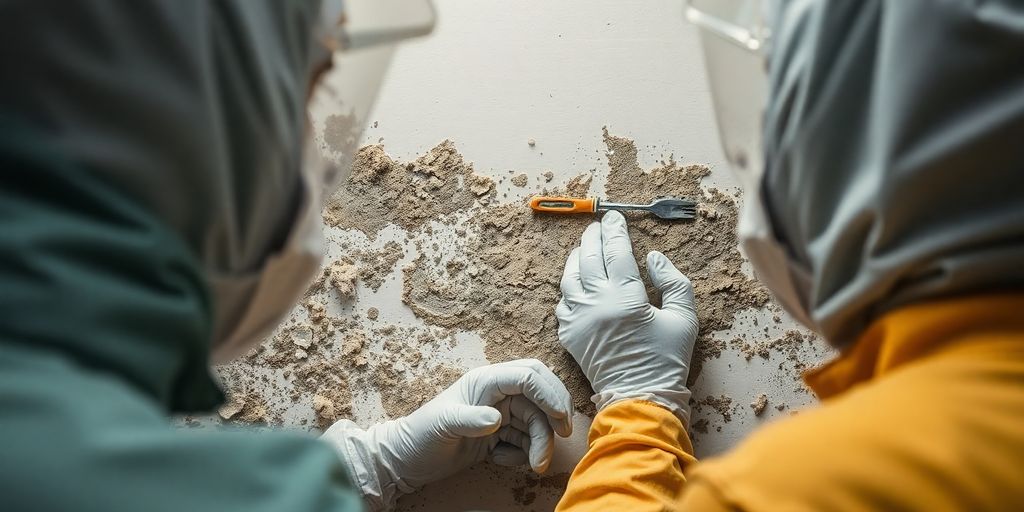
Mold is a sneaky intruder that can cause a lot of trouble if it takes hold in your home. It’s not just about the ugly patches on walls or that musty smell that never goes away. Mold can pose serious health risks, especially for kids, the elderly, and anyone with breathing issues. Breathing in mold spores can lead to respiratory problems, allergic reactions, and even more severe health issues over time. That’s why catching it early and handling it right is so important.
Why Mold Restoration is Essential
When mold pops up, it’s not just a matter of wiping it away and hoping for the best. Mold restoration is about making sure your home is safe and healthy again. This process doesn’t just get rid of the mold you see; it tackles the root of the problem to prevent it from coming back. By addressing mold issues thoroughly, you protect your home and everyone in it from potential health hazards.
Common Causes of Mold Growth
Mold loves moisture, so it’s often found in damp or humid areas like bathrooms, basements, and kitchens. Here are some common causes:
- Leaky pipes or roofs: Even a small drip can create the perfect environment for mold.
- Poor ventilation: Without proper airflow, moisture can build up and lead to mold.
- Flooding or water damage: Any time there’s standing water, mold isn’t far behind.
Ignoring the signs of mold can lead to bigger problems down the line. It’s not just about the damage to your home but also the potential health risks that can affect everyone living there.
For professional mold remediation, it’s crucial to rely on experts who can safely and effectively eliminate mold from your home, ensuring it doesn’t return.
Identifying Mold Problems in Your Home
Signs of Mold Infestation
Mold can be sneaky, often hiding in places you wouldn’t expect. Recognizing the signs early can save you a lot of trouble down the line. Here are some common indicators:
- Musty Odors: A persistent, earthy smell can be a telltale sign of hidden mold.
- Visible Growth: Mold can appear as spots of black, green, or even white fuzz on walls, ceilings, or furniture.
- Water Stains: Discoloration on walls or ceilings often points to moisture issues, a precursor to mold.
- Health Symptoms: Unexplained allergies or respiratory issues might be linked to mold exposure.
Conducting a Mold Inspection
If you suspect mold, doing a thorough inspection is key. Here’s a simple guide:
- Check Damp Areas: Focus on basements, bathrooms, and kitchens where moisture is common.
- Look Behind and Under: Mold loves to hide under sinks, behind appliances, and in corners.
- Use a Flashlight: A bright light can help you spot mold in dark or hidden areas.
- Consider a Moisture Meter: This tool can help detect moisture levels in walls and floors.
When to Call a Professional
Sometimes, tackling mold yourself isn’t the best idea. Call in the experts if:
- The Area is Large: Mold covering more than 10 square feet usually needs professional help.
- It’s in Your HVAC System: Mold in air ducts can spread spores throughout your home.
- Black Mold is Present: This type of mold can be toxic and should be handled with care.
- You Have Health Concerns: If anyone in your home has allergies or respiratory issues, it’s safer to consult a professional.
Mold can be a serious issue, but with the right approach, you can keep your home safe and healthy. Don’t hesitate to reach out to a mold remediation expert if you’re unsure about tackling it yourself.
Steps to Effective Mold Restoration
Initial Assessment and Planning
The first step in tackling mold is a thorough assessment. Professionals will conduct a detailed inspection to identify the extent of the mold problem and the sources of moisture. This includes checking both visible and hidden areas, like behind walls or under carpets. Once they figure out how far the mold has spread, they come up with a plan to deal with it. This plan is super important because it outlines what needs to be done to get rid of the mold and keep it from coming back.
Containment and Removal
Containing the mold is crucial to prevent it from spreading to other parts of the house. This involves sealing off the affected areas with plastic sheeting and using negative air pressure to keep mold spores from escaping. Once contained, the removal process begins. Moldy materials, especially porous ones like drywall and carpet, often need to be thrown out. They’re sealed in thick, airtight bags to prevent any spores from escaping during disposal.
Cleaning and Disinfection
After removing the moldy items, the next step is cleaning and disinfecting the area. Professionals use special cleaners and disinfectants to kill any remaining mold spores. This step is vital to ensure that all mold residues are removed, which helps improve air quality and prevents future outbreaks. They might use HEPA vacuums to suck up tiny spores and moisture. The cleaned surfaces are then dried thoroughly to prepare them for any restoration work, like repainting or replacing drywall. It’s important to make sure everything is dry because moisture can lead to mold coming back.
Tools and Techniques for Mold Restoration
Essential Equipment for Mold Removal
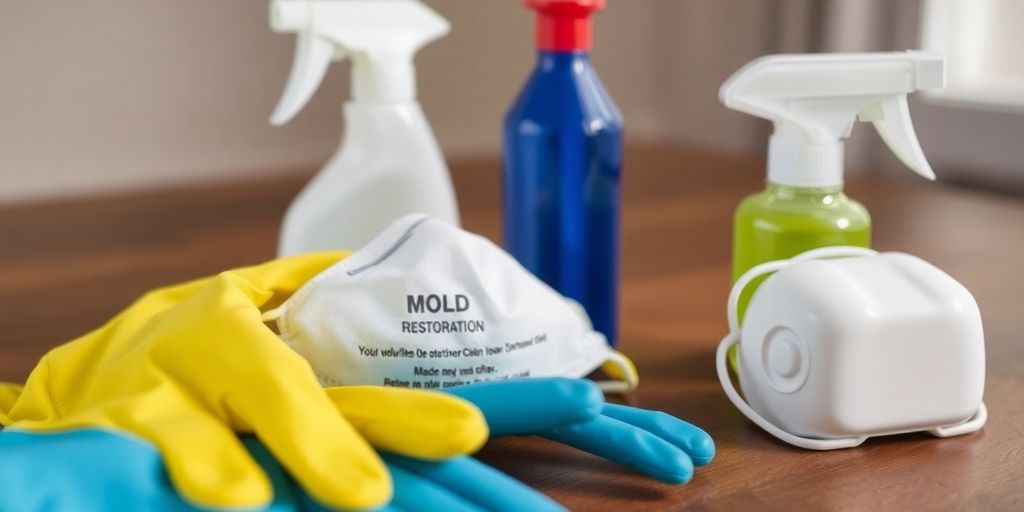
When tackling mold, having the right gear is super important. HEPA vacuums are a must-have because they trap those tiny mold spores, keeping your air clean. You’ll also need moisture meters to check damp spots, and dehumidifiers to dry things out. Respirators and protective suits keep you safe while working. And don’t forget about cleaning solutions—effective mold remediation techniques often involve using biocides and special detergents.
Advanced Mold Remediation Techniques
There’s more to mold removal than just scrubbing. Sometimes, you have to get creative. Techniques like abrasive blasting can help with stubborn mold, while wet wiping can handle delicate surfaces. For those hard-to-reach places, fogging machines might be used to apply mold-killing solutions evenly. It’s all about using the right method for the situation.
Safety Precautions During Mold Restoration
Safety first, always. Mold spores can be nasty, so wearing a respirator and protective clothing is non-negotiable. Make sure the area is well-ventilated, and seal off the work zone to prevent spores from spreading. Keep a first aid kit nearby, just in case. Remember, it’s not just about getting rid of mold—it’s about doing it safely.
Preventing Future Mold Growth
Addressing Moisture Issues
Mold loves moisture, so the first step in prevention is keeping your home dry. Fix any leaks in your plumbing, roof, or windows as soon as you spot them. Make sure your gutters are clean and directing water away from your house. It’s also important to keep an eye on humidity levels. If your home feels damp, consider using a dehumidifier. Keeping humidity below 50% can make a big difference.
Improving Ventilation and Airflow
Good airflow helps keep your home dry. Open windows when the weather allows, and use exhaust fans in bathrooms and kitchens to get rid of excess moisture. If your home has poor ventilation, consider installing additional vents or fans. Remember, stagnant air can lead to mold growth, so keep the air moving.
Regular Maintenance and Monitoring
Regular checks and maintenance can prevent mold from becoming a problem. Inspect areas prone to moisture like basements, attics, and crawl spaces regularly. Clean and repair any issues you find right away. Don’t forget to check and replace HVAC filters to improve air quality. By staying on top of these tasks, you can help keep your home mold-free.
Choosing the Right Mold Restoration Service
What to Look for in a Mold Restoration Company
Choosing a mold restoration service can feel overwhelming, but knowing what to look for helps. First, ensure the company is licensed, bonded, and insured. This protects you from liability and ensures the company meets industry standards. Look for a company with experience in handling complex restoration projects, especially those involving mold, water, and fire damage. It’s also beneficial if they have experience working with insurance companies, as this can streamline the claims process.
Questions to Ask Before Hiring
Before hiring, prepare a list of questions to gauge their expertise and reliability. Ask about their certification and training—do they employ Certified Mold Remediators or Mold Removal Specialists? Inquire about their process: how do they assess mold damage, and what steps do they take for removal and prevention? Lastly, ask for references or testimonials from past clients to get a sense of their reputation and quality of work.
Understanding Mold Restoration Costs
Understanding the costs involved in mold restoration is crucial. Costs can vary based on the extent of mold damage, the size of the affected area, and the complexity of the job. Ask for a detailed estimate that includes inspection, removal, cleaning, and post-remediation testing. Be wary of quotes that seem too good to be true, as they might indicate subpar service. It’s better to invest in a thorough, professional service to ensure the mold is completely eradicated and won’t return.
A reliable mold restoration service not only addresses the immediate problem but also provides solutions to prevent future issues, ensuring your home remains safe and healthy.
When considering options, Ruach Home Services is known for addressing common remodeling and damage restoration challenges, including mold issues. They emphasize the importance of selecting a reputable contractor and offer assistance for various problems, ensuring homeowners can achieve their desired results while maintaining comfort and safety.
When it comes to mold restoration, picking the right service is key. You want a team that understands your needs and can act quickly. At Ruach Home Services, we offer expert help to make your home safe and clean again. Don’t wait—visit our website today to learn more and get started!
Wrapping It Up
So, there you have it, folks. Mold restoration might seem like a big, scary task, but breaking it down into steps makes it way more manageable. First, you gotta find the moisture source and fix it, because without that, mold’s just gonna keep coming back. Then, suit up and get ready to tackle the mold itself. Whether you’re doing it yourself or calling in the pros, safety is key. Remember, mold can be sneaky, hiding in places you wouldn’t expect, so be thorough. Once everything’s cleaned up and dry, keep an eye out for any signs of mold returning. Regular checks and good ventilation can help keep your home mold-free. It’s all about keeping your space safe and healthy for you and your family. Stay proactive, and you’ll be just fine.
Frequently Asked Questions
What is mold and why is it bad?
Mold is a type of fungus that grows in damp places. It can be harmful because it may cause health problems like sneezing, coughing, and itchy eyes. It can also damage your home by eating away at walls and furniture.
How can I tell if there is mold in my house?
You might see black, green, or white spots on walls, ceilings, or other surfaces. Mold can also smell musty, like old, wet socks. If you notice these signs, you might have mold.
What should I do if I find mold in my home?
If you see a small amount of mold, you can clean it with soap and water. For larger areas, it’s best to call a professional to safely remove it and fix any moisture problems.
Can I prevent mold from growing in my house?
Yes, you can prevent mold by keeping your home dry. Fix leaks quickly, use fans in bathrooms, and open windows to let fresh air in. This helps stop mold from growing.
Is it safe to stay in a house with mold?
Staying in a house with mold can be unsafe, especially if you have allergies or asthma. Mold can make breathing hard and cause other health issues. It’s important to remove mold to keep your home safe.
How long does mold removal take?
The time it takes to remove mold depends on how much mold there is. Small areas might take a few hours, while bigger problems could take several days to fix properly.