
Owning a home is a big deal, but it comes with its own set of headaches, like dealing with plumbing damage. It’s one of those things you don’t really think about until something goes wrong, and suddenly you’re ankle-deep in water wondering what happened. The good news? There are ways to spot trouble before it gets out of hand and steps you can take to keep your plumbing in good shape. Let’s break down what to watch for and how to keep your pipes happy.
Key Takeaways
- Keep an eye on your water bill for any unexpected spikes, as it might indicate a hidden leak.
- Regularly check for water stains or mold, which can signal a plumbing issue.
- Aging pipes and poor installation are common culprits of plumbing damage.
- Routine maintenance and proper disposal practices can prevent many plumbing problems.
- Know when to tackle a repair yourself and when it’s time to call in a professional.
Recognizing Early Signs of Plumbing Damage
Unusual Water Bills
Ever noticed your water bill creeping up for no apparent reason? This could be a sign of a hidden plumbing issue. An unexpected spike in your water bill might mean there’s a leak somewhere in your system. Common culprits include dripping faucets, leaky toilets, or even underground leaks that are out of sight. It’s a good idea to keep an eye on your monthly statements and investigate any unexplained increases.
Here’s a quick checklist to help identify potential leaks:
- Check all faucets and showerheads for drips.
- Inspect toilets for running water or leaks.
- Look at your water meter for any irregularities.
Visible Water Stains
Visible water stains on walls or ceilings are another red flag. These stains usually indicate that water is seeping through where it shouldn’t be. Water stains can appear as discolored patches on your paint or wallpaper, often accompanied by a musty smell. If you spot these, it’s crucial to investigate further to prevent structural damage.
Mold and Mildew Growth
Mold and mildew thrive in damp environments, so their presence can suggest a plumbing issue. If you notice mold growth in areas that shouldn’t be damp, like walls or ceilings, it might be time to check for leaks. Mold not only damages your home but can also pose health risks, especially to those with allergies or respiratory issues. Regular inspections can help catch these problems early before they escalate.
Keeping an eye out for these signs can save you from costly repairs down the line. If you suspect a leak, don’t hesitate to investigate further to protect your home and health.
Common Causes of Plumbing Damage
Aging Pipes and Fixtures
As homes age, so do their pipes and fixtures. Over time, the materials used in plumbing systems can degrade, leading to leaks and other issues. Copper pipes, while durable, can corrode, and galvanized steel pipes often rust. PVC and PEX are popular choices today, but they also have their limits. Homeowners should be aware of the materials in their plumbing systems, as knowing whether you have copper, PVC, or PEX can help predict potential problems and plan for replacements.
Improper Installation
One of the most common causes of plumbing issues is improper installation. Whether it’s a DIY project gone wrong or a professional job that wasn’t up to par, poor installation can lead to leaks, blockages, and even burst pipes. Ensuring that plumbing work is done by a qualified professional and that it adheres to local building codes can prevent many of these issues.
External Environmental Factors
Environmental factors can also play a significant role in plumbing damage. Freezing temperatures can cause pipes to burst, while tree roots can invade and block underground pipes. In areas prone to earthquakes, pipes may shift and crack due to ground movement. Homeowners should take steps to protect their plumbing from these external threats, such as insulating pipes and regularly checking for signs of root intrusion.
Understanding the causes of plumbing damage is crucial for taking preventive measures. By staying informed about the materials and installation quality of your plumbing system, you can avoid many common pitfalls. It’s always better to address issues early before they escalate into major problems.
Preventative Measures for Plumbing Damage
Regular Maintenance and Inspections
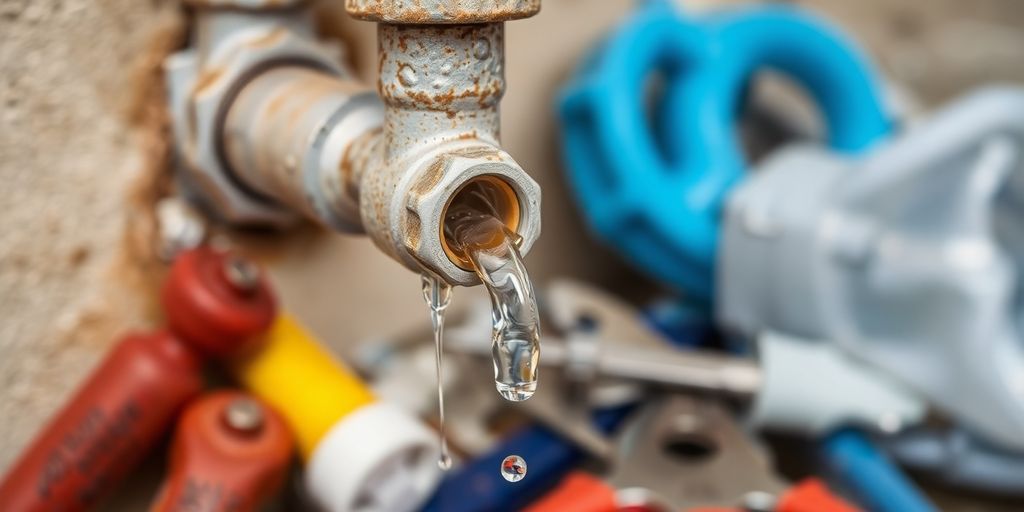
Keeping your plumbing system in top shape starts with regular maintenance and inspections. Think of it like a health check-up for your home. You don’t want to wait until there’s a massive leak to realize something’s wrong. Schedule inspections at least once a year to catch minor issues before they turn into costly repairs.
- Check for leaks or corrosion in pipes.
- Ensure all fixtures are functioning properly.
- Inspect water heaters and other appliances.
Proper Disposal Practices
What you put down your drains can seriously impact your plumbing. Avoid flushing or washing down anything that could cause clogs.
- Never pour grease or oil down the sink.
- Dispose of wipes, paper towels, and sanitary products in the trash, not the toilet.
- Install drain strainers to catch hair and food particles.
Monitoring Water Pressure
Water pressure that’s too high can be just as damaging as pressure that’s too low. High pressure can strain your pipes, leading to leaks or bursts over time. Use a pressure gauge to check your home’s water pressure. Ideally, it should be between 40-60 psi. If it’s higher, consider installing a pressure regulator to protect your plumbing system.
Taking these simple steps can save you a lot of headaches and money in the long run. It’s all about being proactive and attentive to the small details that can make a big difference.
Effective Plumbing Repair Techniques
DIY Fixes for Minor Issues
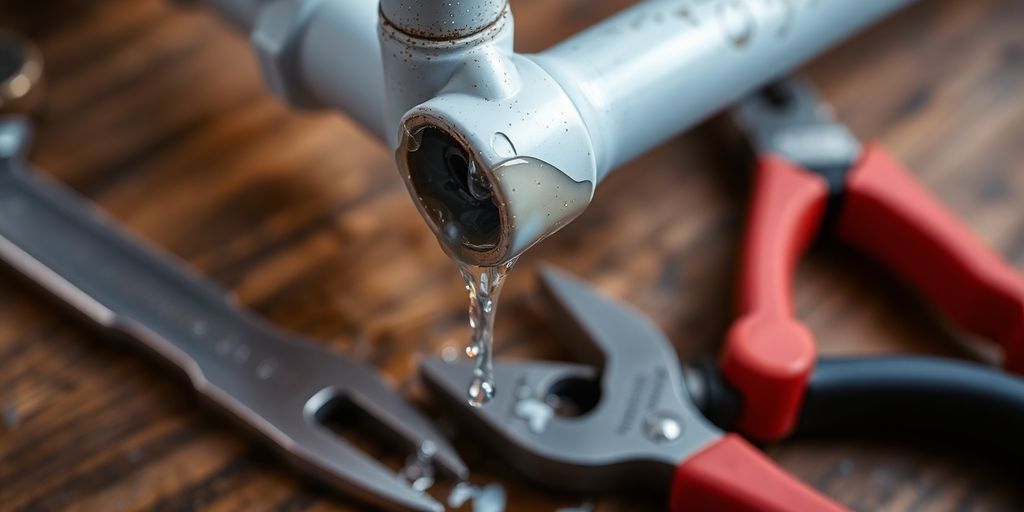
Sometimes, you can tackle small plumbing issues yourself without needing to call a professional. Before diving into any repair, make sure you have the right tools on hand, like a plunger, pipe wrench, and plumber’s tape. Here are a few common DIY fixes:
- Leaky Faucets: Usually caused by worn-out washers or seals. Replacing these parts can stop the drip.
- Clogged Drains: A simple mix of baking soda and vinegar can often clear minor blockages.
- Running Toilets: Often fixed by adjusting the float or replacing the flapper.
However, if you feel out of your depth, it’s best to call in a professional to avoid making the problem worse.
When to Call a Professional
Not every plumbing issue is suitable for DIY solutions. If you encounter a hidden leak within walls or a sewer line problem, it’s time to call in the experts. Professionals have the tools and experience to handle complex issues safely and effectively. Here are signs you need professional help:
- Persistent low water pressure throughout the house.
- Unexplained water stains on walls or ceilings.
- A sudden spike in your water bill without apparent cause.
Modern Repair Methods
The world of plumbing has seen some impressive advancements. Techniques like trenchless pipe repair allow for fixing underground pipes without digging up your yard. Epoxy pipe lining is another modern method that seals leaks from the inside, extending the life of your pipes without replacing them. For clearing stubborn clogs, hydro jetting uses high-pressure water to clean pipes thoroughly. These effective sewer repair techniques ensure long-lasting solutions with minimal disruption to your home.
Modern plumbing repairs are all about efficiency and durability. With the right approach, you can fix issues with less hassle and more confidence.
Understanding Your Home’s Plumbing System
Identifying Key Components
Your home’s plumbing is like a hidden network, quietly working behind the scenes. It consists of pipes, valves, and fixtures that carry water to and from your home. Knowing these components can save you time and money when problems arise. Start by checking the blueprints of your home, if available, to locate key parts like the water heater, main water line, and sewer line. Familiarize yourself with each component’s function, such as how a water heater works or why a sump pump is crucial in certain areas.
Locating the Main Water Shut-Off Valve
In case of a plumbing emergency, knowing where your main water shut-off valve is located is vital. This valve controls the water flow into your home and is your first line of defense against major leaks. Typically, you’ll find it near the water meter, in the basement, or outside. Make sure it’s easily accessible and practice turning it off and on. This simple action can prevent extensive water damage if a pipe bursts.
Learning Basic Plumbing Functions
Understanding basic plumbing functions can be incredibly helpful. For instance, knowing how to unclog a drain or fix a leaky faucet can save you from unnecessary service calls. Here are a few things you should know:
- How to replace a washer in a dripping tap.
- The proper way to plunge a toilet.
- Identifying when a problem is beyond a simple fix and requires a professional.
Taking the time to learn about your home’s plumbing system empowers you to handle minor issues and recognize when to seek professional help. This knowledge not only provides peace of mind but also helps maintain the integrity of your home.
For those considering professional assistance, Ruach Home Services offers comprehensive plumbing services, including drain cleaning and emergency repairs, to keep your home’s plumbing in top shape.
Insurance and Plumbing Damage
Understanding Coverage Options
When it comes to plumbing issues in your home, understanding your insurance coverage is crucial. Homeowners insurance typically covers sudden and accidental water damage, like a burst pipe or an overflow. However, it often doesn’t cover gradual damage, such as a slow leak that causes mold over time. It’s important to thoroughly review your policy to see what types of water damage are covered. Some policies might require additional riders or endorsements for specific situations, like sewer backups or flooding.
When to Consider Additional Policies
Sometimes, your standard homeowners insurance policy might not be enough. Consider adding extra coverage for specific risks. For example, flood insurance is not included in most homeowners policies, yet floods can cause significant damage. If you live in an area prone to heavy rains or near a body of water, this additional policy could be essential. Likewise, water backup coverage can protect against damages from backed-up sewers or drains.
Working with Your Insurance Agent
Your insurance agent can be a valuable resource when navigating the complexities of insurance coverage. They can help you understand the nuances of your policy and suggest necessary adjustments to better protect your home. It’s wise to schedule regular check-ins with your agent, especially if you’ve made changes to your home or if your area has experienced recent weather events.
Taking the time to understand your insurance policy and making sure you have the right coverage can save you from financial headaches down the line. Don’t wait until disaster strikes to find out what’s covered.
In the event of water damage, remember to turn off the water supply and document everything thoroughly for your insurance claims. This proactive step can make a significant difference in the claims process.
When plumbing issues lead to water damage, it’s crucial to act fast. Your home deserves the best care, and we’re here to help! Visit our website to learn more about how we can assist you with damage restoration and plumbing services. Don’t wait—get the support you need today!
Conclusion
Owning a home is a big deal, and with it comes the responsibility of keeping everything in check, especially the plumbing. By staying alert to the signs of plumbing issues and taking preventive steps, you can avoid a lot of headaches and expenses down the road. Remember, a little knowledge about your plumbing system goes a long way. Regular checks and maintenance can save you from unexpected surprises. So, keep an eye on those pipes, know where your main water shut-off valve is, and don’t hesitate to call in the pros when things get tricky. It’s all about being prepared and proactive to keep your home safe and sound.
Frequently Asked Questions
What are the common signs of plumbing damage?
Look for things like higher water bills, water stains on walls or ceilings, and mold growth. These can all be signs of plumbing issues.
How can I prevent plumbing damage in my home?
Regularly check your plumbing system, keep an eye on water pressure, and dispose of waste properly to prevent clogs and damage.
When should I call a professional plumber?
If you have a big leak, can’t find the source of a problem, or face a complex issue like a sewer line problem, it’s best to call a professional.
What should I do if I find a leak?
First, turn off the main water valve to stop the flow of water. Then, try to find the leak source and call a plumber if needed.
How does insurance cover plumbing damage?
Insurance can cover certain types of water damage, but it’s important to know what your policy includes. Talk to your agent about your coverage.
Why is my water bill suddenly so high?
A sudden increase in your water bill might mean there’s a leak somewhere in your home. Check for dripping faucets or running toilets.