
Water damage in your home can be a real headache. Whether it’s a leaky roof, a busted pipe, or an overflowing washing machine, the mess can be overwhelming. Not only does it ruin your stuff, but it can also lead to bigger problems like mold if not handled quickly. Knowing how to prevent water damage and what to do if it happens is key to keeping your home in good shape. This article dives into different types of water damage, how to prevent it, and what to do if you need to make an insurance claim.
Key Takeaways
- Understand the different types of water damage: clean, gray, and black water.
- Regular home maintenance can prevent a lot of water damage issues.
- Know your insurance policy’s details to ensure you’re covered for water damage.
- Act quickly when water damage occurs to minimize long-term effects.
- Professional help can be crucial, especially for severe water damage situations.
Identifying and Understanding Different Types of Property Water Damage
Understanding the various types of water damage is crucial for effective management and recovery. Water damage isn’t just water damage; it can come in different forms, each requiring a unique approach.
Clean Water Damage: Causes and Solutions
Clean water damage typically originates from rain, condensation, or leaky pipes. This type of water is not harmful to humans, but it can still cause significant damage to property if not addressed promptly. Immediate action is essential to prevent further issues, such as mold growth.
- Causes
- Solutions
Gray Water Damage: Health Risks and Remediation
Gray water damage involves water that has been used and may contain some contaminants. This water often comes from appliances like washing machines or dishwashers. It poses a moderate risk to health, so it requires careful handling.
- Health Risks
- Remediation Steps
Black Water Damage: Professional Cleanup Necessities
Black water is the most severe type of water damage, often resulting from sewage backups or natural disasters like floods. This water is highly contaminated and poses serious health risks, requiring professional cleanup.
- Sources
- Cleanup Necessities
Water damage can escalate quickly, turning a minor inconvenience into a costly repair if not handled properly. Recognizing the type of water damage early can save both time and money.
Effective Prevention Strategies for Property Water Damage
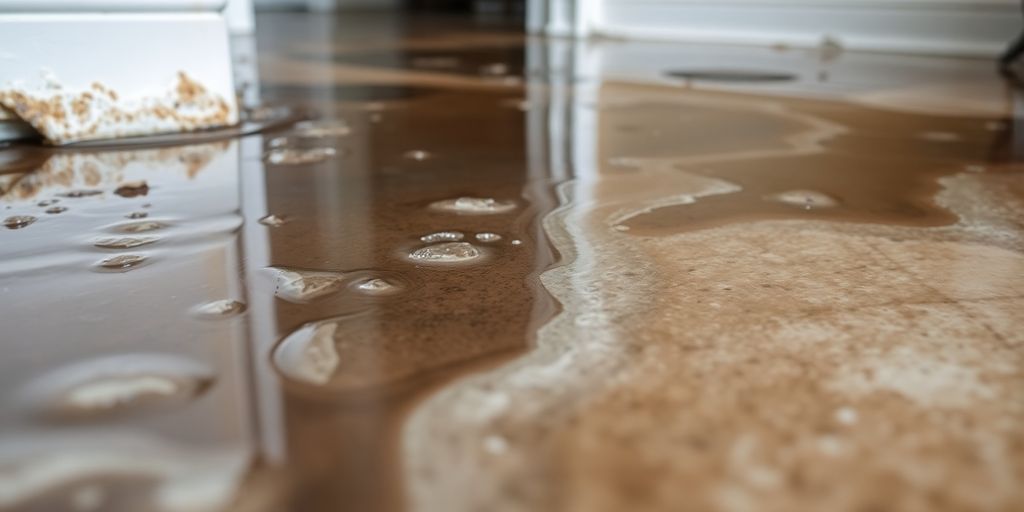
Regular Home Inspections: Spotting Early Signs
It’s easy to overlook the importance of routine home inspections, but they are the first line of defense against water damage. Regular inspections help you catch potential issues before they escalate. Focus on areas prone to leaks, like the roof, plumbing, and basement. Check hoses and faucets connected to appliances such as water heaters and dishwashers for cracks. Keeping an eye on these spots can save you from bigger headaches later.
Proper Drainage Systems: Keeping Water Away
A well-designed drainage system is crucial for keeping water at bay. Make sure your property is graded properly to direct water away from the foundation. Keep gutters and downspouts clear of debris so water can flow freely. If needed, consider adding French drains to further divert water away from your home. This simple step can significantly reduce the risk of flooding.
Quality Building Materials: Investing in Longevity
When building or renovating, it might be tempting to cut costs, but investing in high-quality, water-resistant materials is a must. These materials are designed to withstand moisture and prevent water infiltration, protecting your investment in the long run. Opt for materials that promise durability and longevity, reducing the need for costly repairs down the road.
Taking preventive measures against water damage might seem like a hassle now, but it can save you a lot of trouble and money in the future. It’s all about being proactive rather than reactive when it comes to protecting your property.
The Science Behind Water Damage Restoration
Understanding water damage restoration is like piecing together a big puzzle. It’s not just about drying things out; it’s about knowing how water interacts with different materials and using the right techniques to fix the damage. Let’s break it down.
Inspection and Assessment: The First Step
Before any restoration work can begin, it’s crucial to know exactly what you’re dealing with. Professionals use tools like moisture detectors and thermal cameras to find hidden water pockets. This helps them figure out how bad the damage is and plan what needs to be done next.
Water Removal Techniques: Ensuring Thoroughness
Once the assessment is complete, the next step is to get rid of the water. This involves using powerful pumps and vacuums to suck out the water quickly. The faster you remove the water, the less chance there is for mold and bacteria to grow. This step is all about speed and efficiency.
Drying and Dehumidification: Preventing Mold Growth
After removing the water, the focus shifts to drying everything out. This is where dehumidifiers and air movers come in. They help remove any leftover moisture. It’s a delicate balance of temperature and airflow to make sure everything dries properly.
Making sure every corner is dry is essential because even a small amount of leftover moisture can lead to mold. This is why drying and dehumidification are so important in preventing further damage.
In summary, water damage restoration is more than just cleaning up. It’s a science that involves understanding how water affects different materials and using the right techniques to restore everything back to normal. It’s a process that requires careful planning and execution to ensure the best results.
Navigating Insurance Claims for Water Damage
Understanding Your Policy: Coverage and Exclusions
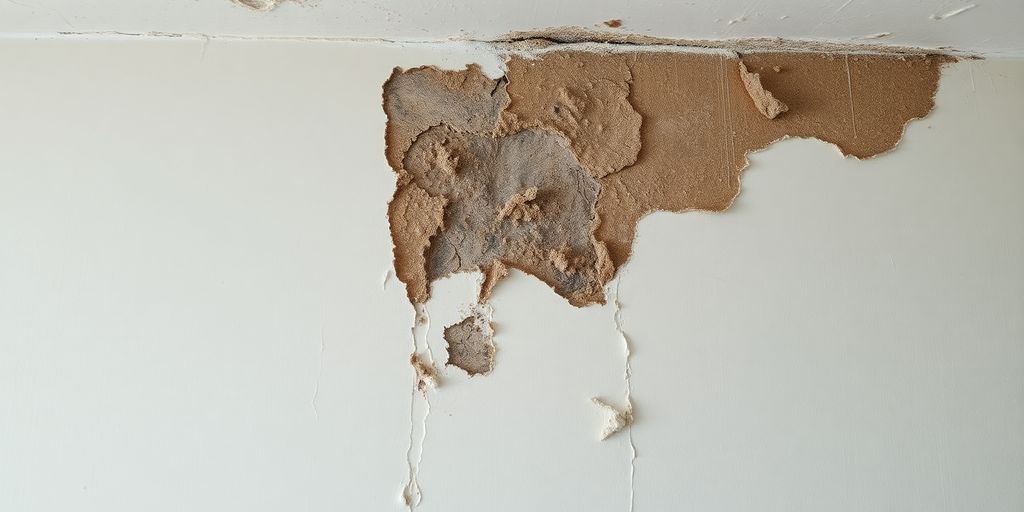
Before diving into a claim, it’s crucial to know what your insurance covers. Most homeowner policies cover sudden water damage, like a burst pipe, but not gradual issues like a leaky roof. Flood damage often requires separate insurance. Check your policy for specifics, and don’t hesitate to ask your agent about any unclear details.
Documenting Damage: Essential Steps for Claims
When water damage hits, document everything. Take clear photos and videos of all affected areas and items. Make a detailed list of damages—this will be your evidence when filing a claim. Keep all receipts for any temporary repairs or lodging expenses if you need to stay elsewhere.
Working with Adjusters: Ensuring Fair Compensation
Once you report the damage, your insurer will send an adjuster to assess the situation. Be present during their visit to point out all issues and provide your documentation. If the settlement offer seems low, don’t hesitate to negotiate. Public adjusters can be helpful if you feel overwhelmed, as they advocate on your behalf for a fair settlement.
Filing a claim can be a stressful process, but staying organized and understanding your policy can make it more manageable. Remember, the goal is to restore your home and peace of mind as smoothly as possible.
The Role of Property Managers in Water Damage Mitigation
When water damage strikes, acting fast is key. Property managers are often the first line of defense. Turning off the water supply immediately is crucial to prevent further damage. They assess the situation quickly, determining the source, whether it’s a burst pipe or an appliance gone haywire. This initial assessment helps in deciding the next steps and in coordinating with professionals for repairs.
Coordinating Repairs: Engaging Professionals
Once the damage is assessed, property managers bring in the experts. They work with trusted vendors to handle everything from plumbing repairs to major restorations. This might involve fixing drywall, replacing flooring, or even addressing structural issues. In cases of severe damage, like black water incidents, professional cleanup is non-negotiable due to health risks. Property managers ensure that the right professionals are on the job to restore the property to its original state.
Filing Insurance Claims: Streamlining the Process
Dealing with insurance can be a headache, but property managers make it smoother. They document the damage meticulously, providing necessary evidence for claims. This involves taking photos, noting down affected areas, and compiling repair estimates. With their experience, they can communicate effectively with insurance adjusters to ensure fair compensation. This not only helps in covering repair costs but also in restoring the property efficiently.
Property managers play a pivotal role in water damage situations. Their prompt response and coordination skills are invaluable in minimizing damage and ensuring a seamless restoration process.
By handling everything from immediate actions to insurance claims, property managers protect both the property and the interests of tenants and owners alike. Their role is essential in keeping properties safe and maintaining their value over time.
Long-Term Impacts of Unaddressed Water Damage
Structural Deterioration: Risks and Consequences
Ignoring water damage might seem like a small issue at first, but over time, it can lead to serious structural problems. When water seeps into walls and floors, it weakens the materials and can cause them to warp or rot. This might not be noticeable right away, but as time goes on, the stability of your home could be at risk. Structural integrity is crucial for safety, and neglecting water damage can lead to costly repairs or even make parts of your home unsafe.
Mold Infestation: Health Hazards and Solutions
One of the most common issues with untreated water damage is mold growth. Mold thrives in damp environments, and once it starts growing, it can spread quickly. This doesn’t just affect your home’s appearance but can also pose serious health risks. Breathing in mold spores can lead to respiratory problems, allergies, and other health issues. To deal with mold, you need to dry out affected areas and use appropriate cleaning solutions to remove it completely. Sometimes, professional help is necessary to ensure all mold is eradicated.
Financial Implications: Cost of Neglect
Leaving water damage unaddressed doesn’t just affect your home’s structure and your health; it can also hit your wallet hard. The longer you wait to fix water damage, the more expensive the repairs become. Water can cause hidden damage that isn’t immediately visible, and by the time you notice it, the costs might be significant. Additionally, insurance might not cover damages that result from neglect, leaving you to foot the bill. Regular inspections and prompt repairs can save you money in the long run.
Emergency Response Planning for Water Damage
Creating a Response Plan: Key Components
When it comes to dealing with water damage, having a solid plan in place can make all the difference. A well-structured emergency response plan is your first line of defense. Start by gathering important contact information for emergency services and reputable restoration companies. Make sure everyone in the household knows where to find this information.
Next, outline the steps to take in case of a water emergency. This could include turning off the water supply, unplugging electrical appliances, and moving valuables to a safe location. Regularly review and update the plan, especially after any changes in your household or property.
Contacting Professionals: When to Call for Help
It’s crucial to recognize when a situation is beyond your control. If you’re facing significant water damage, don’t hesitate to call in the experts. Professional restoration companies have the tools and expertise to handle severe cases. They can assess the situation, remove water, and prevent further damage.
Keep a list of trusted professionals handy. This includes plumbers, electricians, and restoration specialists. Having their contact info ready ensures you can act swiftly, minimizing damage and reducing stress.
Mitigating Damage: Immediate Actions to Take
In the event of water damage, taking immediate action can significantly reduce the impact. Here’s a quick checklist:
- Shut off the water source to prevent further flooding.
- Unplug electrical appliances and avoid using them until they’re checked.
- Move furniture and valuables to a dry area.
- Use towels or mops to soak up as much water as possible.
- Ventilate the area by opening windows and doors.
Quick action can prevent minor water issues from turning into major disasters. Stay calm, follow your plan, and reach out for professional help if needed.
For more comprehensive guidance on emergency preparedness, the EPA offers tools and guidance to enhance the readiness and response strategies of drinking water and wastewater utilities.
When water damage strikes, having a solid emergency response plan is crucial. Start by turning off the water source and unplugging any electrical devices in the affected area. Next, document the damage with photos for insurance purposes. For professional help, visit our website to learn more about our water damage restoration services. Don’t wait until it’s too late—take action now!
Wrapping It Up
So, there you have it. Water damage is no joke, and dealing with it can be a real headache. But, if you stay on top of things, like knowing what your insurance covers and keeping an eye out for leaks, you can save yourself a lot of trouble. Regular check-ups on your home, fixing small issues before they become big ones, and having a solid plan in place can make all the difference. And remember, when in doubt, don’t hesitate to call in the pros. They know what they’re doing and can help get your place back to normal. Keep your home safe, stay informed, and you’ll be ready for whatever comes your way.
Frequently Asked Questions
What are the first signs of water damage in a home?
Look for water stains on ceilings or walls, damp spots on floors, and a musty smell. These can be early indicators of water damage.
How can I prevent water damage in my house?
Regular home inspections, proper drainage systems, and using quality building materials can help prevent water damage.
Is water damage covered by homeowners insurance?
It depends on your policy. Most insurance covers sudden and accidental water damage, but not issues caused by neglect or lack of maintenance.
What should I do immediately after discovering water damage?
You should turn off the water source, remove as much water as possible, and contact a professional restoration service to assess the damage.
How long does it take for mold to grow after water damage?
Mold can start growing within 24 to 48 hours after water damage if the area is not properly dried and treated.
Why is it important to address water damage quickly?
Quick action helps prevent further damage, mold growth, and can save on repair costs. It also ensures a healthier living environment.