
Figuring out roof repair home insurance can feel like a lot to handle. Policies can be confusing, and knowing what’s covered and what’s not isn’t always clear. Whether you’re dealing with storm damage or just trying to keep your roof in good shape, understanding your insurance is key. In this guide, we’ll break it all down so you can make sense of it and avoid surprises.
Key Takeaways
- Homeowners insurance often covers roof damage caused by unexpected events like storms or accidents, but not regular wear and tear.
- Understanding your policy’s exclusions, like neglect or non-covered perils, can save you from denied claims.
- Proper documentation and working with adjusters are essential steps when filing a roof repair claim.
- Routine maintenance and keeping repair records help maintain your roof insurance coverage.
- Choosing an insurance policy with the right balance of premiums, deductibles, and coverage is crucial for peace of mind.
Understanding Homeowners Insurance Coverage for Roof Repairs
What Types of Roof Damage Are Typically Covered
Homeowners insurance often steps in when your roof suffers damage from specific, unexpected events. These are called "covered perils" in insurance lingo. Commonly included perils are:
- Storm Damage: High winds, hail, and heavy rain can wreak havoc on your roof, and most policies will cover the resulting repairs.
- Fallen Objects: If a tree limb or debris crashes onto your roof, causing damage, this is usually covered.
- Fire Damage: Fires, including damage caused while extinguishing them, are generally part of your policy’s protection.
However, coverage can vary. For example, roof leaks caused by covered events like hail are often included, but leaks due to wear and tear? Not so much.
Factors That Influence Coverage Decisions
Insurance companies don’t just write checks without a second thought. They look at:
- Age of Your Roof: Older roofs, especially those over 20 years old, might not be fully covered.
- Roof Material: Some materials, like slate or metal, may be treated differently than asphalt shingles.
- Maintenance History: If an adjuster finds that neglect played a role, you might be out of luck.
How to Verify Your Policy’s Coverage
Understanding your policy is key. Here’s how to get clarity:
- Review Your Policy Documents: Look for sections that mention "covered perils" and exclusions.
- Talk to Your Agent: Ask specific questions about roof-related scenarios.
- Request a Roof Inspection: Some insurers offer inspections to assess risks and clarify coverage.
Pro Tip: Always keep detailed records of roof inspections, repairs, and upgrades. These can be lifesavers when filing a claim.
Common Exclusions in Roof Repair Home Insurance Policies
Wear and Tear Over Time
Homeowners insurance isn’t designed to act as a maintenance plan. Damage that results from normal aging or gradual wear and tear is almost always excluded. For example, shingles that have simply reached the end of their lifespan won’t be covered. Insurance companies expect homeowners to replace aging roofs before they become a problem.
Neglect and Lack of Maintenance
If you’ve been skipping regular roof maintenance, don’t expect your insurance to step in. Neglecting to clean gutters, replace damaged shingles, or fix small leaks can lead to bigger issues—and insurance companies often see this as the homeowner’s fault. The key is to stay on top of inspections and repairs to avoid being denied coverage for preventable damage.
Damage from Non-Covered Perils
Certain causes of roof damage, known as non-covered perils, are explicitly excluded in most policies. These can include:
- Floods
- Earthquakes
- Pest infestations
- War or government action
If you live in an area prone to these risks, you might need to purchase additional coverage or endorsements. For instance, homeowners in hurricane-prone regions often require separate windstorm insurance to cover roof damage from high winds.
Steps to File a Roof Repair Insurance Claim
Documenting the Damage Effectively
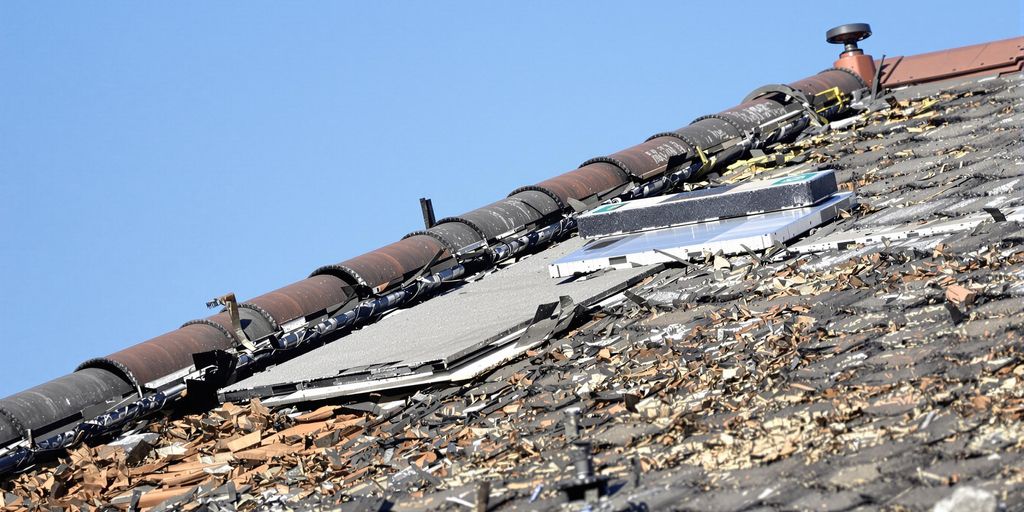
When it comes to filing a roof repair insurance claim, the first step is to document the damage as thoroughly as possible. Take clear photos of the affected areas, both up-close and from a distance, to provide a comprehensive view of the problem. If you have older pictures of your roof, include those to show its condition before the damage occurred. This can make a big difference in how your claim is processed. Keep in mind, timing matters—document the damage as soon as it happens to avoid complications.
Working with Insurance Adjusters
Your insurance company will likely send an adjuster to inspect the damage. Be prepared to walk them through the issues and provide any documentation you’ve gathered. It’s a good idea to have a professional roofer, like Ruach Home Services, present during this inspection. They can help point out critical details that might otherwise be overlooked. This ensures the adjuster gets the full scope of the damage, which could impact the claim amount.
Avoiding Common Claim Mistakes
Filing an insurance claim can be tricky, especially if you’re not familiar with the process. Here are some common mistakes to avoid:
- Delaying the claim: Most insurance policies have strict deadlines for reporting damage. Don’t wait too long.
- Skipping maintenance records: If you can’t show that you’ve been maintaining your roof, your claim might be denied.
- Ignoring policy details: Make sure you understand what your policy covers and what it doesn’t before filing a claim.
Proactive Measures to Maintain Roof Insurance Coverage
Regular Roof Inspections and Maintenance
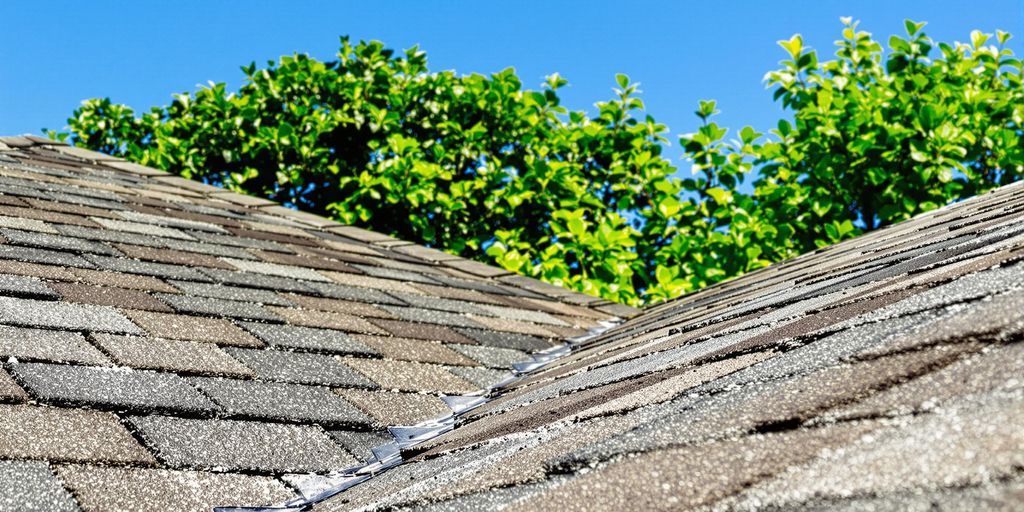
Keeping your roof in good shape isn’t just about aesthetics—it’s about protecting your home and keeping your insurance coverage intact. Scheduling regular inspections helps identify small issues before they spiral into costly disasters. Aim for a professional inspection at least once every two years, or after major storms. Look for signs like missing shingles, cracks, or sagging areas. And don’t forget to clean off debris like leaves or moss that can trap moisture and cause damage over time.
Keeping Records of Repairs and Upgrades
When you repair or upgrade your roof, document everything. Save receipts, contracts, and even photos of the work. This paper trail can come in handy if you ever need to file an insurance claim. It also shows your insurer that you’ve been diligent about maintaining your roof, which might even help with premium negotiations.
Here’s a quick list of what to keep:
- Invoices or receipts for repairs.
- Photos of before and after the work.
- Warranty information for materials or labor.
Understanding Policy Renewal Requirements
Insurance policies aren’t static—they change. Make it a habit to review your policy before renewal time to ensure you’re still covered for roof-related issues. Some insurers might require proof of maintenance or upgrades, especially if your roof is older. If your provider mandates regular inspections or repairs, make sure you’re on top of those. Ignoring these requirements could leave you without coverage when you need it most.
Staying proactive with your roof maintenance isn’t just about avoiding leaks—it’s about securing peace of mind and protecting your home’s value.
Choosing the Right Insurance Policy for Roof Repairs
Comparing Coverage Options
Selecting the right insurance policy for roof repairs starts with comparing coverage options. Policies vary widely, and not all will cover the same types of damage. Some may include coverage for weather-related issues like hail or wind, while others exclude these outright. Make sure to ask for a detailed breakdown of what’s included and excluded in each policy.
When reviewing options, consider these key points:
- Does the policy cover both repairs and full replacements?
- Are there any restrictions based on the age or material of your roof?
- What types of perils, such as storms or falling objects, are covered?
A clear understanding upfront can save a lot of headaches later.
Understanding Deductibles and Premiums
Insurance deductibles and premiums can make or break your budget. The deductible is what you’ll pay out-of-pocket before insurance kicks in, while the premium is the regular amount you pay to keep the policy active.
Here’s a simple comparison of deductible and premium scenarios:
| Deductible Amount | Monthly Premium | Ideal For |
|---|---|---|
| Low ($500-$1,000) | High ($100-$200) | Frequent claims or high-risk areas |
| High ($2,000+) | Low ($50-$100) | Rare claims or low-risk areas |
Think about how often you might need to file a claim. If you live in an area prone to storms, a lower deductible might be worth the higher premium.
Questions to Ask Your Insurance Provider
Before signing on the dotted line, ask your insurance provider a few critical questions to avoid surprises later on:
- Are there any exclusions I should be aware of?
- What’s the claims process like, and how long does it usually take?
- Do I need to work with specific contractors for repairs?
Choosing the right policy isn’t just about the price tag. It’s about finding coverage that fits your home’s unique needs and gives you peace of mind when the unexpected happens.
The Role of Professional Roofers in Insurance Claims
How Roofers Assist in Damage Assessment
When it comes to assessing roof damage, professional roofers are your go-to experts. They know what to look for, from subtle cracks to major structural issues, and can spot problems you might miss. Their detailed evaluations can make or break your insurance claim. A roofer will often document the damage thoroughly, providing photos and written assessments to back up your case. This saves you from the headache of dealing with incomplete or unclear evidence when working with your insurer.
Providing Documentation for Claims
Roofers don’t just fix things—they help you prove what’s wrong. Most professionals will provide:
- Clear, itemized estimates for repairs.
- High-quality photos of the damage.
- Written reports detailing the extent and cause of the damage.
This documentation is essential for ensuring your claim is processed smoothly. Without it, insurance companies might question the validity of your claim or offer a lower payout than you deserve.
Ensuring Repairs Meet Insurance Standards
Insurance companies often have strict guidelines for how repairs should be done. Professional roofers understand these standards and make sure the work complies. For example, they’ll use materials approved by your insurer and follow any specific repair methods required. This attention to detail ensures your claim gets the green light and prevents future issues with coverage.
A good roofer doesn’t just fix your roof—they protect your peace of mind by handling the complexities of insurance requirements.
Weather-Related Roof Damage and Insurance Coverage
Storm and Hail Damage
When storms hit, your roof often bears the brunt of the impact. Hailstones, for instance, can create dents or even puncture roofing materials. Most homeowners insurance policies will cover storm and hail damage, but it’s important to check if there are any exclusions or limitations based on your region. Some states, especially those prone to hurricanes, may require additional endorsements for wind or hail coverage.
Wind and Fallen Object Damage
High winds can rip shingles off or send tree branches crashing onto your roof. If wind or fallen objects cause damage, your insurance policy typically steps in to cover repairs, provided the event is classified as a covered peril. However, insurers might deny claims if the damage is linked to pre-existing issues, like a weakened roof structure. Regular maintenance can help prevent these denials.
Flood and Water-Related Issues
Flooding is a tricky area. While water damage from a storm might be covered, flood-specific damage usually requires a separate flood insurance policy. For example, if heavy rain causes a leak due to clogged gutters, your claim could be denied because it may be deemed a maintenance issue. Always clarify with your insurer what water-related scenarios are included in your coverage.
Keeping your roof in good condition isn’t just about avoiding costly repairs—it’s also about ensuring your insurance will cover you when disaster strikes. A little preparation goes a long way.
Severe weather can cause serious damage to your roof, leading to leaks and other issues. If your roof has been affected by storms, it’s important to know how your insurance can help. Many policies cover roof repairs due to weather-related damage, but the specifics can vary. Don’t wait until it’s too late! Visit our website to learn more about how we can assist you with your roof repairs and insurance claims. Your home deserves the best care!
Wrapping It Up
Understanding how your homeowners insurance works when it comes to roof repairs can save you a lot of stress and money down the road. While policies often cover damage from unexpected events like storms or accidents, they usually don’t include wear and tear or neglect. That’s why keeping up with regular maintenance and knowing the details of your coverage is so important. If you’re ever unsure, don’t hesitate to reach out to your insurance provider or a trusted roofing professional. At the end of the day, being informed and proactive can make all the difference when it comes to protecting your home and your wallet.
Frequently Asked Questions
Does homeowners insurance cover all types of roof damage?
No, homeowners insurance usually covers roof damage caused by sudden events like storms, hail, or fire. However, damage due to wear and tear or lack of maintenance is typically not covered.
What should I do if my roof gets damaged?
First, document the damage with photos and videos. Then, contact your insurance company to report the issue and start the claims process.
How can I make sure my roof stays covered under my insurance policy?
Regularly inspect and maintain your roof, keep records of repairs, and ensure your policy is up to date. This helps avoid coverage issues later.
What are common reasons insurance claims for roof repairs get denied?
Claims can be denied if the damage is due to neglect, poor maintenance, or causes not covered by your policy, such as certain weather events.
Can I choose any roofer for repairs after filing an insurance claim?
Most insurance companies allow you to choose your own roofer, but they may require the roofer to meet certain standards or provide specific documentation.
What’s the difference between a deductible and a premium in roof insurance?
A deductible is the amount you pay out of pocket before insurance kicks in, while a premium is the monthly or annual cost you pay to keep your insurance active.