
When it comes to roof issues, homeowners often face the dilemma of whether to repair or replace their roofs. Understanding the key factors that influence this decision can help you make the right choice for your home and budget. This article will guide you through the essential elements to consider when deciding between roof repair and replacement, ensuring your home remains safe and sound.
Key Takeaways
- Evaluate your roof’s age to determine if repair or replacement is needed.
- Identify the extent of damage to decide on the best course of action.
- Consider the type of roofing material when making your decision.
- Weigh the financial implications of repair versus replacement.
- Keep in mind how roof repairs or replacements can impact your home’s value.
Key Factors in Deciding Between Roof Repair and Replacement
When faced with roof damage, homeowners often wonder whether to repair or replace their roof. Understanding the key factors can help you make the right choice.
Assessing the Age of Your Roof
The age of your roof plays a significant role in your decision. Most roofs last between 10 to 25 years, depending on the material. If your roof is nearing the end of its lifespan, it might be better to consider a full replacement rather than just repairing the damaged areas.
Understanding the Extent of Damage
You need to evaluate how severe the damage is. Here are some questions to consider:
- Is it just a few missing shingles?
- Are there leaks or water damage?
- Is the damage localized or widespread?
If the damage is minor, repairs may be sufficient. However, extensive damage could mean that a replacement is more cost-effective in the long run.
Considering the Type of Roofing Material
Different roofing materials have different lifespans and repair options. For instance, slate roofs can last over 100 years, making repairs more viable. On the other hand, asphalt shingles may require replacement sooner. Always consider the material when deciding.
Remember, a well-informed decision can save you money and stress in the future.
In summary, evaluating the age, extent of damage, and type of roofing material are crucial steps in deciding whether to repair or replace your roof. This careful assessment can lead to better long-term outcomes for your home.
Signs That Indicate Roof Repair is Sufficient
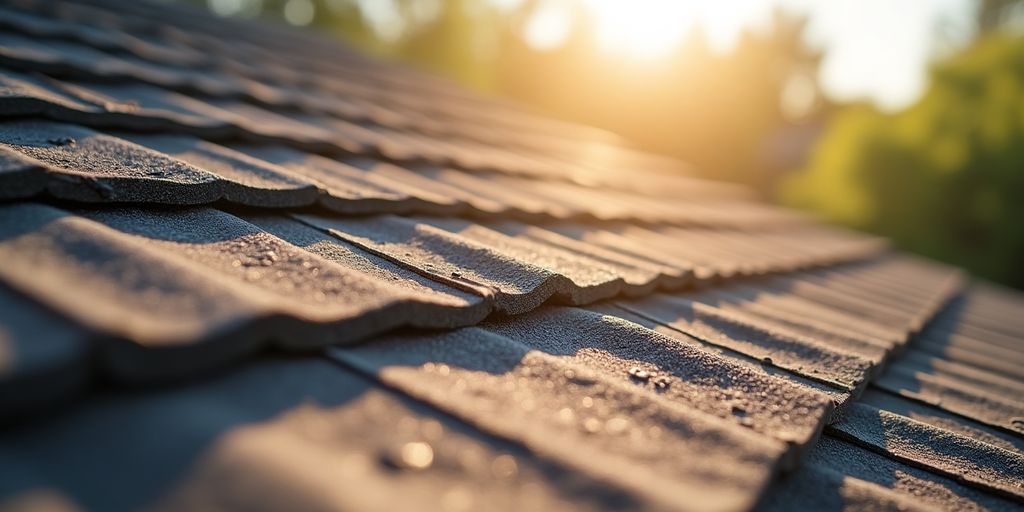
Minor Leaks and Isolated Damage
If you notice small leaks or isolated damage, it often means that a repair is all you need. These issues can usually be fixed without replacing the entire roof. Here are some common signs:
- Small water stains on ceilings or walls.
- Localized shingle damage or missing shingles.
- Minor cracks in flashing around vents or chimneys.
Cost-Effective Repair Scenarios
In many cases, repairing your roof can be more affordable than replacing it. Consider these scenarios:
- Single shingle replacement: If only a few shingles are damaged, replacing them can save you money.
- Sealing minor leaks: Small leaks can often be sealed without major work.
- Routine maintenance: Regular inspections and maintenance can prevent larger issues.
When Repairs Can Extend Roof Life
Sometimes, repairs can significantly extend the life of your roof. Here are a few situations where this is true:
- Addressing minor issues early: Fixing small problems before they worsen can prolong your roof’s lifespan.
- Upgrading materials: Using better materials for repairs can enhance durability.
- Regular inspections: Keeping an eye on your roof can help catch issues before they become serious.
Remember, not all damage means a full replacement. If you see signs of wear, it’s wise to consult a professional for an inspection. This can help you avoid unnecessary costs and keep your home safe.
| Signs of Repair Needs | Action Required |
|---|---|
| Minor leaks | Repair |
| Missing shingles | Replace |
| Cracked flashing | Seal or replace |
When Roof Replacement Becomes Necessary
End of Roof Lifespan
A roof has a limited lifespan, and when it reaches the end, it’s time for a replacement. Most roofing materials last between 20 to 30 years. If your roof is nearing this age, it’s wise to start planning for a new one. Signs that your roof may need replacing include:
- Continuous leaks
- Missing or damaged shingles
- Visible sagging
Multiple Leaks and Structural Issues
If you notice multiple leaks or significant structural problems, it’s often a sign that your roof is failing. Repairing multiple areas can be more costly than a full replacement. Here are some indicators:
- Water stains on ceilings
- Mold growth in the attic
- Cracked or warped roofing materials
Benefits of Full Roof Replacement
Replacing your roof can provide several advantages:
- Improved energy efficiency with modern materials.
- Enhanced curb appeal, making your home more attractive.
- Increased home value, especially if you plan to sell.
A new roof not only protects your home but also adds to its overall value and aesthetic appeal.
In summary, if your roof is old, has multiple leaks, or shows signs of structural issues, it’s time to consider a full replacement. This decision can save you money in the long run and ensure your home remains safe and secure.
Financial Considerations in Roof Repair Replacement
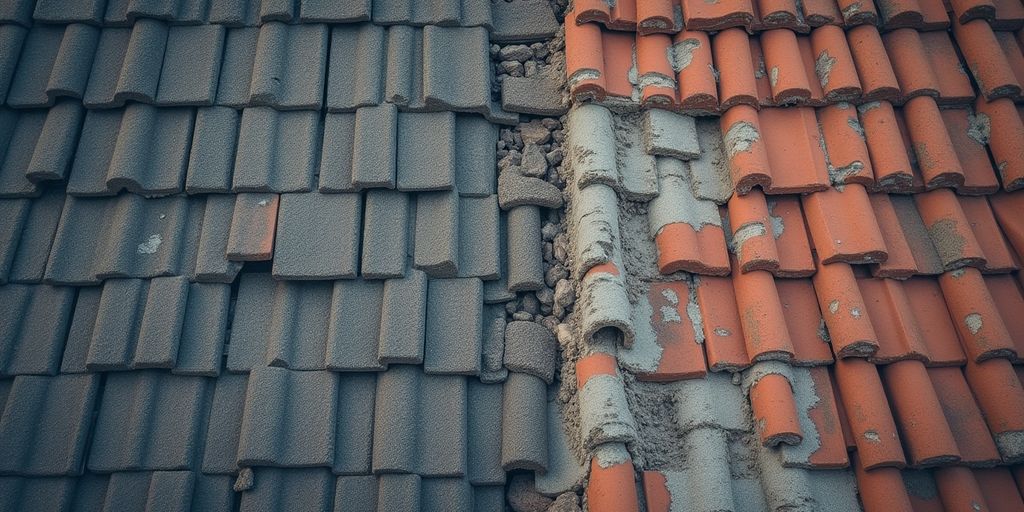
When deciding whether to repair or replace your roof, financial factors play a crucial role. Understanding the costs involved can help you make a more informed decision.
Budgeting for Roof Repairs
- Assess your current financial situation: Determine how much you can afford to spend on repairs or replacement.
- Estimate repair costs: Minor repairs may cost less, but extensive damage can add up quickly.
- Consider long-term expenses: Frequent repairs can become more expensive than a one-time replacement.
Financing Options for Roof Replacement
- Explore financing plans: Many roofing companies offer financing options to help manage costs.
- Check for insurance coverage: If damage is covered, you may only need to pay your deductible.
- Look for government assistance: Some programs may help homeowners with roof replacement costs.
Cost Comparison: Repair vs. Replacement
| Option | Average Cost per Square Foot | Pros | Cons |
|---|---|---|---|
| Roof Repair | $150 – $300 | Lower initial cost | May require frequent repairs |
| Partial Replacement | $200 – $400 | Can be cost-effective for limited damage | Potential mismatching of materials |
| Full Replacement | $350 – $600 | Long-term solution, new materials | Higher upfront cost |
In summary, while repairs may seem cheaper initially, they can lead to higher costs over time. A full replacement might be a better investment in the long run, especially if your roof is nearing the end of its lifespan. Consider all financial aspects before making a decision.
Impact of Roof Repair Replacement on Home Value
Enhancing Curb Appeal
A new roof can significantly improve the appearance of your home. This enhancement can make your home more attractive to potential buyers. A well-maintained roof gives the impression of a well-cared-for home, which can be a deciding factor for many buyers.
Influence on Property Resale Value
Investing in a roof replacement can lead to a higher resale value. According to studies, homeowners can expect to recoup a significant portion of their investment when selling their home. Here’s a quick look at how different roofing options can affect home value:
| Roofing Material | Average ROI (%) |
|---|---|
| Asphalt Shingles | 70-80% |
| Metal Roofing | 85-90% |
| Slate or Tile Roofing | 90-95% |
Long-Term Investment Benefits
Replacing your roof is not just about immediate aesthetics; it’s also a long-term investment. A new roof can lead to better energy efficiency, which can lower utility bills. In addition to improving the look of your home, a new roof can increase its energy efficiency, further driving up its market value.
A new roof can be a game-changer for your home’s value, making it a wise investment for the future.
In summary, the impact of roof repair or replacement on home value is significant. A new roof enhances curb appeal, influences resale value, and provides long-term benefits that can save money and increase comfort.
Environmental and Energy Efficiency Considerations
Energy-Efficient Roofing Options
Choosing the right roofing material can significantly impact your home’s energy efficiency. Here are some options:
- Cool roofs: These reflect more sunlight and absorb less heat, helping to keep your home cooler.
- Metal roofs: They are durable and can reflect solar heat, reducing cooling costs.
- Green roofs: These are covered with vegetation, providing insulation and reducing heat absorption.
Environmental Impact of Roof Replacement
When considering a roof replacement, think about the environmental effects:
- Waste generation: Old roofing materials can end up in landfills.
- Sustainable materials: Opting for recycled or eco-friendly materials can lessen your carbon footprint.
- Energy savings: A new, energy-efficient roof can lower your energy bills and reduce greenhouse gas emissions.
Sustainable Roofing Materials
Using sustainable materials is crucial for both the environment and your energy bills. Here are some popular choices:
- Recycled shingles: Made from post-consumer materials, they reduce waste.
- Slate tiles: Durable and long-lasting, they require less frequent replacement.
- Solar panels: Integrating solar technology can provide renewable energy and lower utility costs.
Investing in energy-efficient roofing options not only benefits your wallet but also contributes to a healthier planet. Consider the long-term savings and environmental impact when deciding to repair or replace your roof.
Choosing the Right Roofing Contractor
When it comes to roof work, finding a trustworthy contractor is essential. Here are some key points to consider:
Evaluating Contractor Experience
- Look for contractors with at least 5 years of experience.
- Check if they specialize in the type of roofing you need.
- Ask about their training and certifications.
Checking References and Reviews
- Request references from past clients.
- Read online reviews to gauge customer satisfaction.
- Look for any complaints with the Better Business Bureau.
Understanding Warranty and Service Agreements
- Ensure the contractor offers a warranty on their work.
- Read the fine print of service agreements carefully.
- Ask about what is covered under the warranty.
A good contractor will not only provide quality work but also ensure you understand the process and materials used.
By following these steps, you can make an informed choice and avoid potential pitfalls. Remember, a reliable contractor can make all the difference in your roofing project.
Additionally, consider companies that offer a wide range of remodeling services, as they often have a broader understanding of home improvement needs. For instance, Ruach Home Services is recognized for its commitment to excellence in both remodeling and damage restoration services, which can be beneficial when dealing with roofing issues.
When it comes to picking the right roofing contractor, it’s important to choose someone you can trust. Look for a company that has a good reputation and offers quality work. Don’t hesitate to reach out to us at Ruach Home Services for expert help with your roofing needs. Visit our website to learn more and get started today!
Final Thoughts on Roof Repair vs. Replacement
Deciding whether to repair or replace your roof can be tough. It’s important to think about how old your roof is, how much damage there is, and your budget. If your roof is old and has many problems, replacing it might be the best choice. On the other hand, if the damage is small and your roof is still in good shape, a repair could save you money. Always remember that a roof protects your home, so it’s worth taking the time to make the right decision. If you’re unsure, getting advice from a roofing expert can help you figure out the best option for your situation.
Frequently Asked Questions
How can I tell if my roof needs repair or replacement?
Look for signs like leaks, missing shingles, or age. If your roof is old and has multiple issues, it might need replacement.
What are the common signs that my roof needs repairs?
Common signs include small leaks, isolated damage, or minor wear. If it’s just a few shingles, repairs might be enough.
How long should a roof last before needing replacement?
Most roofs last between 15 to 25 years, depending on the material. If your roof is near the end of its lifespan, consider replacing it.
Is it cheaper to repair or replace a roof?
Repairs are usually less expensive, but if the damage is extensive, replacement might be more cost-effective in the long run.
What factors should I consider when choosing a roofing contractor?
Check their experience, read reviews, and understand their warranty and service agreements.
Can I finance a roof replacement?
Yes, many roofing companies offer financing options to help you manage the cost of a new roof.