
Water damage can really throw a wrench in the works for homeowners. It’s not just about the mess; it can hit your wallet hard, too. From a burst pipe to a leaky roof, knowing what to do when water damage strikes is crucial. This guide breaks down the water damage remediation process, so you’ll know what to expect and how to handle it. Whether it’s dealing with insurance or just drying things out, we’ve got you covered.
Key Takeaways
- Water damage can come from sudden events like a burst pipe or gradual issues like a slow leak.
- Immediate action is crucial; stop the water source and start drying out the area as soon as possible.
- Document all damages thoroughly for insurance claims; photos and videos are your best friends here.
- Understanding your insurance policy can save you a lot of headaches; know what’s covered and what’s not.
- Prevent future damage by maintaining your home and installing water detection devices.
Identifying the Types of Water Damage
Understanding the different types of water damage is key for homeowners dealing with the aftermath of a water-related incident. Water damage can manifest in various forms, each requiring specific approaches for effective remediation.
Sudden and Accidental Damage
Sudden and accidental damage is probably what most people think of when they hear "water damage." This type includes unexpected events like a burst pipe, an overflowing washing machine, or a sudden leak from a water heater. Since these incidents are unforeseen, they are often covered by homeowners’ insurance policies. It’s crucial to act quickly in these situations to minimize damage and ensure a smoother insurance claim process.
Gradual Damage
Gradual damage is a sneaky one. It happens over time, often going unnoticed until it becomes a major issue. Think of a slow leak in a plumbing fixture or a roof that’s been dripping for ages. This type of damage can be tricky when it comes to insurance claims, as many policies don’t cover damage resulting from neglect or lack of maintenance. Regular home inspections can help catch these issues early, saving you from a headache down the road.
Weather-Related Incidents
Weather-related incidents are another common source of water damage. Heavy rains, storms, or flooding can lead to significant water intrusion, affecting everything from the foundation to the attic. Preparing your home with proper drainage systems and weatherproofing can help mitigate some of these risks. In areas prone to severe weather, it’s wise to review your insurance policy to understand your coverage for natural disasters.
Homeowners should be vigilant and proactive in identifying signs of water damage in walls, such as discoloration or peeling paint, to prevent further structural issues.
Initial Steps in the Water Damage Remediation Process
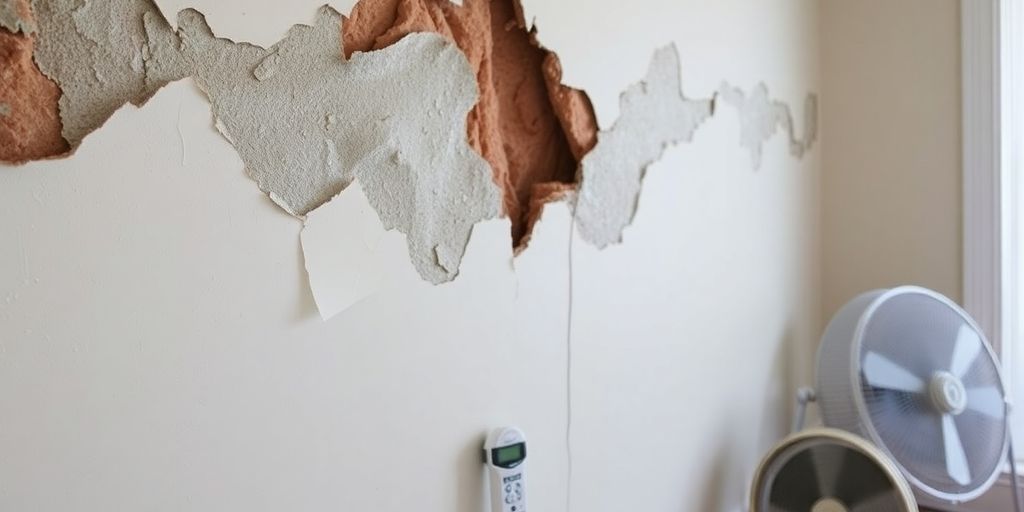
When water invades your home, acting quickly can make a big difference. Here’s a simple rundown of what to do first:
Immediate Assessment and Mitigation
As soon as you spot water damage, it’s crucial to figure out how bad it is and take action right away. This could mean stopping the water from getting worse, getting rid of the water, and making sure your undamaged stuff stays safe. Don’t forget to document the damage by snapping photos and videos—these will be handy for your insurance claim.
Documenting the Damage
Getting everything on record is super important. Take clear photos and videos of all the damage. Make a list of everything affected, from big furniture to small items. This documentation is key when you’re dealing with insurance later on.
Stopping the Water Source
First things first, cut off the water supply. Whether it’s a burst pipe or a leaky appliance, you need to stop the water to prevent further damage. If it’s a flood, wait until the water stops rising. Once the water flow is under control, you can start the real work of cleaning up and drying out.
In these early moments, your quick actions can save a lot of hassle down the road. The sooner you start, the better the outcome for your home and belongings.
By following these steps, you set the stage for a smoother restoration process, minimizing damage and speeding up recovery.
Water Extraction and Drying Techniques
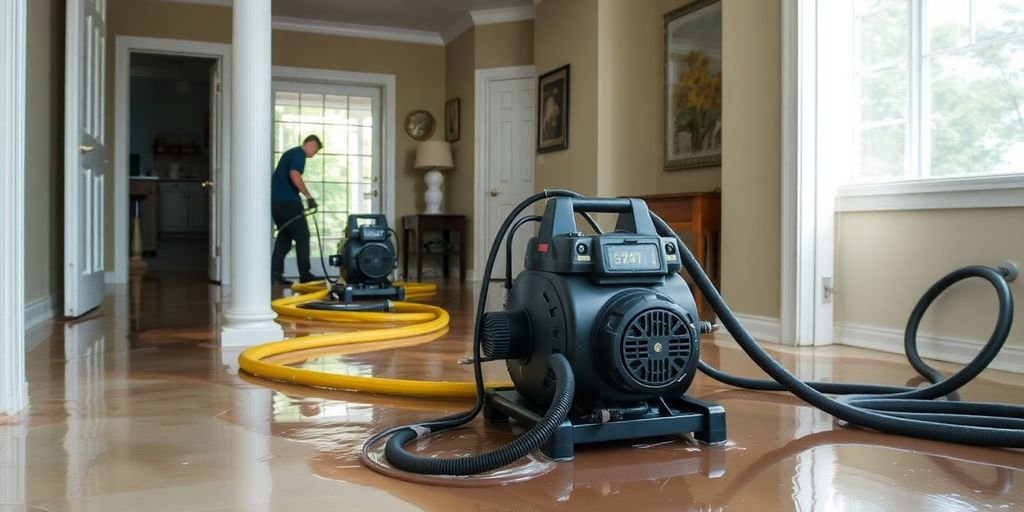
Using Water Extraction Equipment
When dealing with water damage, the first step is to get rid of any standing water. It’s crucial to act quickly because the longer water sits, the more damage it can cause. Start by using pumps, wet vacuums, or other water extraction tools. Make sure to remove water from every affected surface, including carpets, flooring, and rugs. Sometimes, you might need to pull up carpets to get to the water underneath. Moisture detection tools, like moisture meters, can help find hidden pockets of water behind walls or under floors.
Implementing Drying and Dehumidification
Once you’ve extracted as much water as possible, it’s time to dry out the area. This involves using air movers, dehumidifiers, and fans to circulate air and remove moisture from the air and building materials. Dehumidifiers are especially important because they help prevent mold growth, which can start within 24 hours. Regularly check moisture levels to ensure the space is drying properly.
Monitoring Moisture Levels
Keeping an eye on moisture levels is key to a successful drying process. Use moisture meters to track the progress and make sure all areas are drying evenly. This helps avoid future problems like mold or structural damage. Documenting the drying process can also be helpful if you’re working with insurance companies. If you’re unsure about any step, consider hiring professionals who specialize in water damage restoration to ensure everything is done correctly.
Water damage can be a homeowner’s nightmare, but with the right tools and techniques, you can minimize the damage and restore your home to its former glory. Always remember, the quicker you act, the less damage you’ll have to deal with in the long run. Consider investing in water detection devices and regular maintenance to prevent future issues.
Understanding the Insurance Claims Process
Navigating through the insurance claims process can feel like a maze. But understanding each step can make it a lot less daunting.
Reviewing Your Insurance Policy
First off, get to know your insurance policy inside out. Policies can be tricky, with lots of fine print. Most standard homeowner policies cover water damage if it’s sudden and accidental, like a burst pipe. But if you’re dealing with flood damage, that’s usually a separate policy. Make sure you know the difference between what’s covered and what’s not. Look out for exclusions and limitations, like ongoing leaks that might not be covered. And don’t forget to check the deductibles and limits, so you know what you’ll need to pay out of pocket.
Working with an Insurance Adjuster
Once you’ve got a handle on your policy, it’s time to work with an insurance adjuster. This person is your go-to for assessing the damage and estimating repair costs. They can be either a loss adjuster or a public adjuster. A public adjuster works for you, not the insurance company, so they can be a good choice if you want someone on your side. Keep all your documentation handy, like photos and receipts, to make their job easier.
Claim Settlement
The final step is settling the claim. This is where you’ll agree on the amount the insurance company will pay for the damages. Be prepared to negotiate, especially if you think the initial offer isn’t fair. Having all your documentation and understanding your policy can give you a leg up. Once you settle, you can move on to repairs and getting your home back to normal.
It’s important to act quickly and be organized when dealing with insurance claims. The sooner you start, the sooner you can get your home back to the way it was.
For more tips on handling water damage and understanding insurance claims, check out this service that provides guidance on everything from assessing damage to planning remodeling.
Repair and Restoration After Water Damage
Demolition and Removal
When dealing with water damage, some materials just can’t be saved. Stuff like drywall and carpets often need to go. Removing these materials lets you get to the areas that need to dry out better. If the damage isn’t too bad, you might get lucky and skip this step. But if not, tearing out the damaged stuff is a must.
Final Dry Out
Once the messy part is done, it’s time to make sure everything is completely dry. Contractors will set up things like air movers and dehumidifiers to suck out any remaining moisture. Usually, with the right setup, the place should dry out in a few days.
Antimicrobial Treatment
Water damage can lead to mold and other nasty stuff. To prevent this, professionals might use antimicrobial treatments. This step is crucial to stop mold from growing or to kill any spores already there. It’s a good safety measure, especially if the water has been sitting for a while.
After dealing with water damage, it’s not just about fixing things. It’s about making sure your home is safe and healthy again. Taking these steps helps ensure that your space is restored properly and is free from hidden dangers.
Preventing Future Water Damage
Water damage can be a nightmare, but with some thoughtful steps, you can protect your home from future issues. Let’s dive into some practical strategies.
Regular Maintenance and Inspection
Keeping up with regular maintenance is key. Check your plumbing, roof, and appliances for any signs of wear or leaks. A tiny drip today could mean a big problem tomorrow. Regular inspections can help spot potential issues before they turn into costly repairs. Look for signs like yellowing walls, bulging floors, or any suspicious puddles.
Proper Drainage and Weatherproofing
When it rains, you want the water to flow away from your home, not toward it. Make sure your gutters are clear and direct downspouts away from your foundation. Installing gutter guards can help prevent clogs and ensure water flows freely. If you live in an area prone to flooding, consider weatherproofing measures like sealing foundation cracks or adding sump pumps.
Installing Water Detection Devices
These little gadgets can be lifesavers. Place them in areas prone to leaks, like basements, bathrooms, or under sinks. They’ll alert you at the first sign of unwanted water, giving you a chance to stop a small problem from becoming a big disaster.
By staying proactive, you can significantly reduce the risk of water damage. It’s all about catching problems early and taking steps to prevent them. Remember, a little effort now can save a lot of stress later.
To keep your home safe from future water damage, it’s important to take proactive steps. Regularly check for leaks, maintain your gutters, and ensure proper drainage around your property. If you ever face water issues, don’t hesitate to reach out for help. Visit our website for expert advice and services to protect your home today!
Conclusion
So, there you have it. Dealing with water damage isn’t a walk in the park, but knowing the steps can make it a bit less stressful. From figuring out what kind of damage you’re dealing with to getting your insurance claim sorted, it’s all about staying on top of things. Remember, quick action is your best friend here. The faster you deal with the problem, the less damage you’ll have to fix later. And don’t forget to keep an eye on your home to prevent future issues. A little maintenance goes a long way. Hopefully, this guide has made the whole process a little clearer and given you the confidence to tackle water damage head-on if it ever happens to you.
Frequently Asked Questions
What is water damage?
Water damage happens when water gets into areas it shouldn’t be, causing things like wood to rot, mold to grow, or metal to rust. It’s important to fix it quickly to avoid more problems.
What should I do first if I find water damage in my house?
First, try to stop the water source if you can. Then, remove as much water as possible and dry the area. It’s also a good idea to take pictures for your insurance claim.
Does my homeowners insurance cover water damage?
It depends on how the water damage happened. Insurance usually covers sudden accidents like a burst pipe but not damage from things like old, leaky roofs. Check your policy for details.
How can I prevent water damage in the future?
Regularly check and fix any leaks, ensure your home has good drainage, and consider installing water alarms in areas prone to leaks, like basements or bathrooms.
What is the difference between water mitigation and restoration?
Water mitigation involves stopping further water damage and drying out the area. Restoration is about repairing and returning your home to its original condition after the water is removed.
Why is it important to act quickly with water damage?
The longer water sits, the more damage it can cause. Quick action helps prevent mold growth and further damage to your home’s structure.