
Water damage can happen to anyone, and understanding the steps to fix it is important. This guide will walk you through the water damage restoration process, helping you know what to look for, how to stay safe, and what steps to take to restore your home after water damage. By following these steps, you can help ensure your home is safe and dry again.
Key Takeaways
- Identify where the water damage is coming from and look for signs that you may not see right away.
- Always check if the building is safe before starting any repairs, especially for electrical issues.
- Use the right equipment to remove water quickly and effectively, as different types of water require different methods.
- Make sure everything is completely dry and monitor moisture levels to prevent mold from growing.
- After cleaning, repair and restore any damaged parts of your home to keep it strong and safe.
Identifying the Source of Water Damage
Water damage can come from many places, and finding the source is the first step in fixing it. Knowing where the water is coming from helps prevent future problems. Here are some common causes:
Common Causes of Water Damage
- Leaky roofs: Rain can seep through damaged shingles.
- Burst pipes: Old or frozen pipes can break and cause flooding.
- Appliance failures: Washing machines and dishwashers can leak if they break.
Signs of Hidden Water Damage
Sometimes, water damage isn’t easy to see. Look for these signs:
- Water stains on walls or ceilings.
- A musty smell that indicates mold.
- Peeling paint or wallpaper.
Assessing the Extent of Damage
To understand how bad the damage is, you can:
- Check for visible water.
- Use a moisture meter to find hidden damp areas.
- Look for structural issues like sagging floors.
Identifying the source of water damage is crucial for effective restoration. If you notice any signs, it’s important to act quickly to minimize further damage. Remember, immediate action can save you time and money in the long run!
Initial Assessment and Safety Precautions
When dealing with water damage, the first step is to ensure safety. Safety first is the key principle to follow. Here are some important considerations:
Evaluating Structural Integrity
- Check for any visible cracks or warping in walls and ceilings.
- Look for sagging areas that may indicate weakened structures.
- Ensure that the building is stable before entering.
Ensuring Electrical Safety
- Turn off the electricity in the affected area to prevent shocks.
- Avoid using electrical appliances until they are checked by a professional.
- Be cautious of wet areas where electrical cords may be present.
Personal Protective Equipment for Restoration
- Wear gloves to protect your hands from contaminants.
- Use masks to avoid inhaling mold spores or dust.
- Consider wearing boots to keep your feet safe from sharp objects.
Always prioritize safety when assessing water damage. Taking the right precautions can prevent further harm and ensure a smoother restoration process.
Water Extraction Techniques
Using Industrial-Grade Equipment
When dealing with water damage, industrial-grade equipment is essential for effective extraction. These machines are designed to handle large volumes of water quickly. Common tools include:
- Submersible pumps: Ideal for removing standing water.
- Wet/dry vacuums: Useful for smaller areas and residual moisture.
- Truck-mounted extractors: Powerful units that can remove water from multiple locations simultaneously.
Methods for Different Types of Water
Water damage can come from various sources, and the extraction method may vary:
- Clean Water: From broken pipes or rain; can be extracted easily.
- Gray Water: From appliances like dishwashers; requires more care to prevent contamination.
- Black Water: From sewage; needs professional handling due to health risks.
Timeframe for Effective Water Removal
The sooner water is removed, the better the outcome. Here’s a quick guide:
- Within 24 hours: Mold can start to grow.
- 1-3 days: Structural damage may occur.
- 3-7 days: Restoration becomes more complicated and costly.
Quick action is crucial in water damage situations. The faster you respond, the less damage you will face.
In summary, using the right equipment and methods for the type of water involved is key to successful extraction. Remember, prompt action can save you time and money in the long run!
Drying and Dehumidification Process
Importance of Thorough Drying
After water damage occurs, thorough drying is crucial to prevent further issues like mold growth. If moisture is left behind, it can lead to serious problems down the line. Here are some key reasons why drying is important:
- Prevents mold and mildew
- Protects structural integrity
- Reduces odors
Equipment Used for Dehumidification
To effectively remove moisture, various tools are used. Some common equipment includes:
- Dehumidifiers: These machines pull moisture from the air.
- Air movers: They help circulate air to speed up drying.
- Heat sources: Sometimes, heat is applied to help evaporate water faster.
Monitoring Moisture Levels
Keeping track of moisture levels is essential during the drying process. This can be done using:
- Moisture meters: These devices measure the amount of moisture in materials.
- Thermo-hygrometers: They check humidity levels in the air.
- Regular inspections to ensure everything is drying properly.
Effective drying and dehumidification are key steps in the water damage restoration process. Ignoring these steps can lead to bigger problems later on.
Cleaning and Sanitizing Affected Areas
Choosing the Right Cleaning Agents
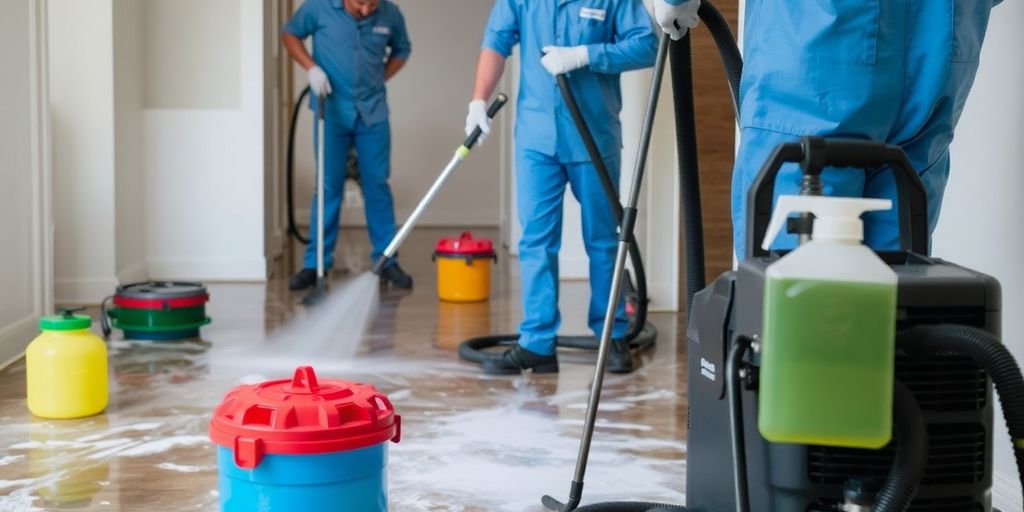
When dealing with water damage, it’s crucial to select the appropriate cleaning agents. Here are some common options:
- Disinfectants: These kill germs and bacteria.
- Detergents: Useful for removing dirt and stains.
- Specialty Cleaners: Designed for specific materials like wood or fabric.
Preventing Mold and Mildew Growth
After water damage, mold can grow quickly. To prevent this:
- Dry the area thoroughly.
- Use dehumidifiers to reduce moisture.
- Regularly check for leaks in the future.
Restoring Personal Belongings
It’s important to clean and restore items affected by water. Here’s how:
- Assess the damage: Determine what can be saved.
- Clean items with appropriate methods.
- Store items properly to avoid future damage.
Cleaning before drying is essential. The evaluation for the necessity of cleaning and cleaning properly prior to drying is equally important as properly drying a structure following a water damage.
By following these steps, you can effectively clean and sanitize areas affected by water damage, ensuring a safer environment.
Repairing and Restoring Damaged Structures
Replacing Damaged Materials
When water damage occurs, it’s crucial to replace any materials that can’t be saved. This includes:
- Drywall that has absorbed too much water.
- Insulation that has become wet and ineffective.
- Flooring that is warped or damaged.
Restoration of Flooring and Walls
After replacing materials, the next step is to restore the flooring and walls. This process involves:
- Installing new flooring, whether it’s carpet, tile, or hardwood.
- Painting walls to cover any stains or marks.
- Ensuring that all surfaces are smooth and ready for use.
Ensuring Structural Soundness
Finally, it’s important to check that the structure is safe. This means:
- Inspecting beams and supports for any signs of weakness.
- Making sure that everything is up to code.
- Hiring professionals if needed to ensure safety.
Restoring a home after water damage is not just about fixing what’s broken; it’s about making sure the home is safe and sound for the future.
In summary, repairing and restoring damaged structures involves careful replacement of materials, thorough restoration of surfaces, and ensuring the overall safety of the home. Belfor’s water damage and cleanup services can help dry out your property to prevent mold growth and structural damage and more.
Final Inspection and Prevention Measures
Conducting a Thorough Inspection
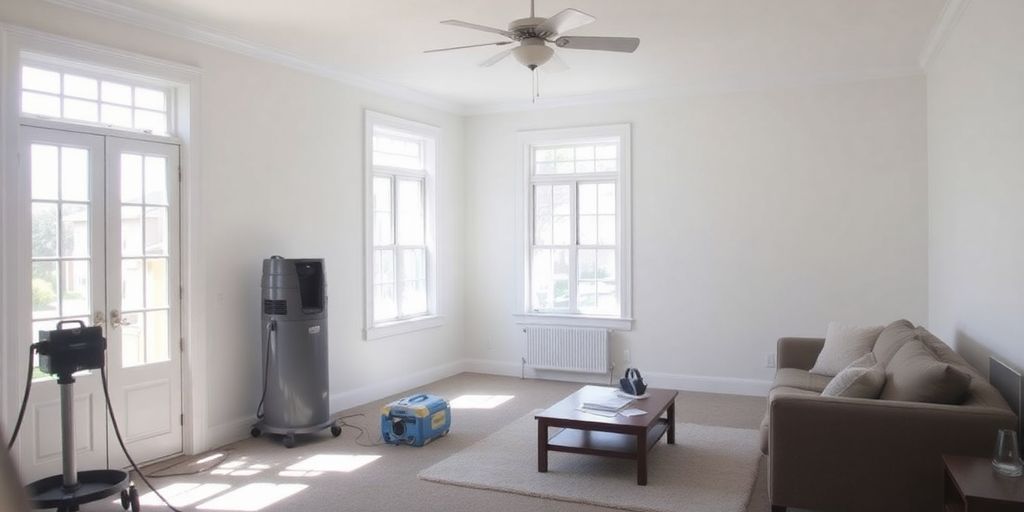
After the restoration process, it’s crucial to conduct a thorough inspection of the affected areas. This helps ensure that all water damage has been addressed. Here are some key steps to follow:
- Check for any remaining moisture in walls and floors.
- Look for signs of mold or mildew.
- Inspect all repaired areas to confirm they are structurally sound.
Implementing Preventive Strategies
To avoid future water damage, homeowners should take proactive measures. Consider these strategies:
- Regularly inspect plumbing for leaks.
- Maintain gutters and downspouts to direct water away from the home.
- Install sump pumps in basements to manage excess water.
Educating Homeowners on Maintenance
It’s important to educate homeowners about ongoing maintenance. This can help them recognize potential issues early. Key points to cover include:
- Understanding the importance of moisture control.
- Knowing when to call in professionals for help.
- Keeping an eye on weather forecasts to prepare for heavy rain.
Regular maintenance and inspections can save homeowners from costly repairs in the future. Being proactive is key!
By following these steps, homeowners can significantly reduce the risk of water damage and ensure their homes remain safe and dry. Remember, choosing certified professionals for restoration is essential for effective results.
Before you wrap up your project, make sure to conduct a final inspection. This step is crucial to catch any issues that might have been overlooked. If you want to ensure your home stays in top shape, visit our website for expert tips and services. Let us help you keep your space safe and beautiful!
Conclusion
In summary, understanding the water damage restoration process is crucial for anyone facing this challenge. By following the steps outlined, from assessing the damage to restoring your home, you can effectively manage the situation. Remember, acting quickly can prevent further issues and save you time and money. Whether you choose to handle it yourself or hire professionals, being informed will help you make the best decisions for your home. Always keep in mind that safety comes first, and don’t hesitate to seek help if you need it.
Frequently Asked Questions
What are the main causes of water damage in homes?
Water damage in homes can happen for many reasons. Some common causes include leaking roofs, burst pipes, overflowing sinks, and heavy rain. Even small issues, like a broken toilet, can lead to big problems if not fixed quickly.
How can I tell if there is hidden water damage?
Hidden water damage might not be easy to see. Look for signs like water stains on walls or ceilings, a musty smell, or peeling paint. If you notice any of these, it’s a good idea to check further.
What should I do first if my home has water damage?
If you find water damage, the first step is to make sure it’s safe. Turn off electricity if water is near outlets, and try to stop the source of the water if you can. Then, call a professional to help with the cleanup.
How do professionals remove water from my home?
Professionals use special machines to remove water quickly. They might use pumps for large amounts of water and vacuums for smaller areas. The goal is to get the water out as fast as possible to prevent more damage.
Why is drying important after water damage?
Drying is very important because if moisture is left behind, it can cause mold to grow. Mold can be harmful to your health and can damage your belongings. Professionals use fans and dehumidifiers to make sure everything dries completely.
What can I do to prevent water damage in the future?
To prevent water damage, keep an eye on your home. Check for leaks, clean gutters, and make sure your roof is in good shape. It’s also smart to know where the water shut-off valve is in case of an emergency.