
Water damage is something most homeowners dread. It can happen suddenly, like from a burst pipe, or slowly over time, like a leaky roof. Either way, the damage can be costly and stressful. Not only can it ruin your belongings, but it can also cause structural issues in your home. Plus, there’s the risk of mold, which can affect your health. The good news? With the right knowledge, you can prevent a lot of water damage and know what to do if it happens.
Key Takeaways
- Water damage can occur from various sources like plumbing leaks, roof issues, or natural disasters.
- Regular maintenance and inspections can significantly reduce the risk of water damage.
- In case of water damage, it’s crucial to identify the source and remove standing water quickly.
- Professional restoration services can help thoroughly clean and restore affected areas.
- Long-term prevention includes upgrading plumbing and enhancing home waterproofing.
Common Causes of Water Damage
Plumbing Failures and Leaks
Plumbing issues are a big headache when it comes to water damage. Imagine waking up to a flooded kitchen because a pipe decided to burst overnight. Plumbing failures like these, along with leaking fixtures and faulty water heaters, can lead to serious water damage. It’s not just the pipes you see; hidden pipes can leak for ages without anyone noticing until it’s too late. Regular inspections can help catch problems early. Plumbing issues like clogged drains can also back up water, causing overflow and damage. Keeping an eye on your plumbing system and fixing issues promptly can save you from costly repairs later.
Roof and Gutter Issues
Your roof is supposed to keep water out, but when it fails, it does the opposite. Missing shingles, poor flashing, or clogged gutters can let water seep into your home. Heavy rain or snow can make things worse, leading to leaks that damage your ceilings and walls. Regular roof check-ups, especially after storms, can prevent this. Cleaning out gutters is also crucial because blocked gutters can cause water to pool and eventually leak into your home.
Natural Disasters and Flooding
Sometimes, Mother Nature just doesn’t play nice. Natural disasters like hurricanes, floods, and heavy rain can cause massive water damage. Even if your home is well-prepared, extreme weather can overwhelm your defenses. It’s wise to have a plan in place for such events, like knowing how to quickly sandbag vulnerable areas or having a sump pump ready. Flooding can also lead to long-term issues like mold, so acting fast is key.
Preventive Measures to Avoid Water Damage
Water damage can be a homeowner’s nightmare, but taking some preventive steps can significantly reduce the risk. Here’s how you can keep your home safe from water-related issues.
Regular Home Maintenance
Staying on top of regular home maintenance is one of the best ways to prevent water damage. Routine inspections of your plumbing system, roof, and appliances can catch issues before they become big problems. Look for signs like yellowing walls, bulges, or suspicious puddles. Even minor leaks can lead to bigger issues if ignored. Don’t forget to check for increased humidity levels which might indicate hidden leaks.
- Inspect plumbing for leaks or corrosion
- Check appliances like dishwashers and washing machines for any signs of wear
- Look for water stains on ceilings and walls
Proper Drainage Systems
Ensuring your home has a proper drainage system can prevent water from pooling around your foundation. This is especially important during heavy rains. Make sure gutters and downspouts are clear of debris to allow water to flow away from your house. A blocked gutter can cause water to overflow and damage your roof or walls.
- Clean gutters and downspouts regularly
- Ensure water is directed away from the foundation
- Consider installing gutter guards to prevent clogs
Installation of Water Detection Devices
Installing water detection devices can alert you to leaks before they cause significant damage. These devices can be especially useful in areas prone to water leaks, like basements or near appliances. Water alarms can give you a heads-up if there’s a leak, allowing you to take action quickly.
- Place water detectors near potential leak sources
- Consider smart detectors that send alerts to your phone
- Regularly test devices to ensure they’re functioning properly
By taking these preventive measures, you can avoid the headache and expense of dealing with water damage. Remember, a bit of maintenance now can save you a lot of trouble later.
For more specific tips on preventing water damage during the holiday season, check out our essential tips to keep your home safe and dry.
Steps to Take After Water Damage Occurs
Identifying the Source of Water
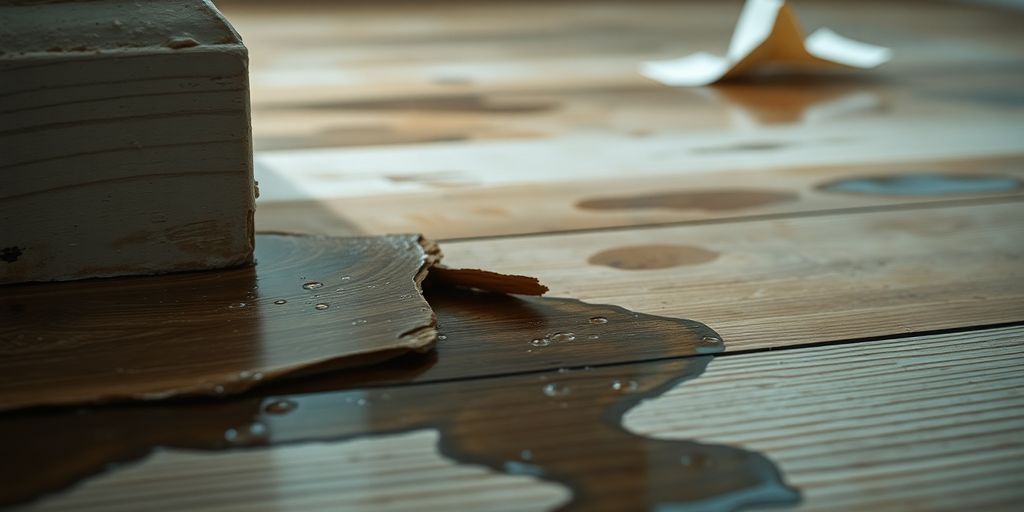
First things first, you need to figure out where the water is coming from. Is it a busted pipe or maybe a leaky roof? Whatever it is, stop the water source immediately. Turn off the water supply if it’s a plumbing issue. If it’s something like a roof leak, you’ll want to cover it up temporarily until you can get it fixed. This step is crucial to prevent more water from causing damage.
Removing Standing Water
Once you’ve stopped the water at its source, it’s time to get rid of any standing water. Use a wet/dry vacuum, mops, or even buckets to remove as much water as you can. If the water is too much to handle, consider calling a professional. Standing water can lead to mold growth in as little as 24 hours, so it’s important to act quickly.
Drying and Dehumidifying Affected Areas
After you’ve removed the standing water, the next step is drying out the area. This is where fans and dehumidifiers come in handy. They help to speed up the drying process and prevent mold. Open windows and doors to improve air circulation. Keep an eye on moisture levels to make sure everything dries out completely. This will help avoid any long-term damage.
Taking quick action after water damage can save you a lot of headaches and expenses down the road. Addressing the issue promptly helps maintain a safe and healthy environment in your home.
The Water Damage Restoration Process
Assessment and Documentation
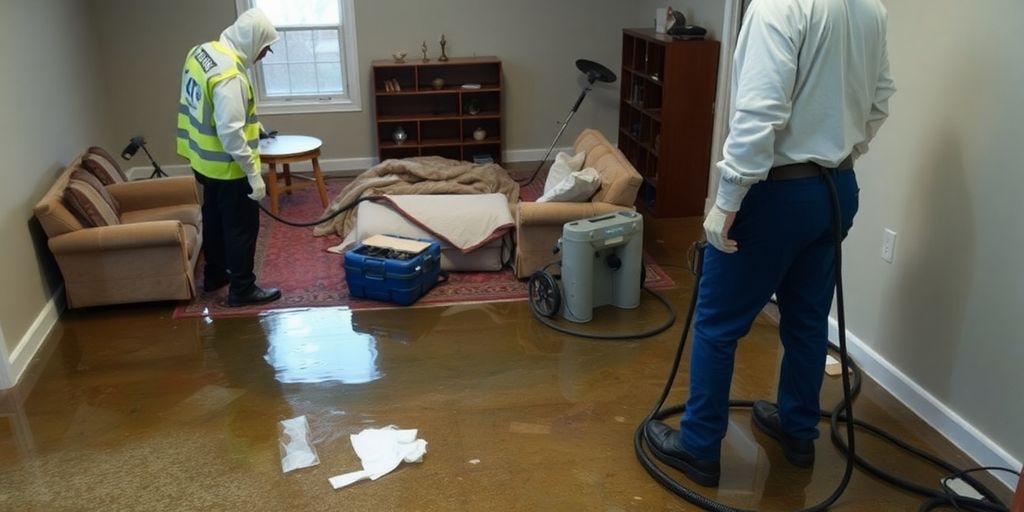
The first step in restoring water damage is to thoroughly assess the situation. This means figuring out how bad the damage is and where it all started. It’s a good idea to take photos or videos of everything. This documentation can be super helpful for insurance claims. You’ll also need to decide what type of water you’re dealing with—clean, gray, or black water—because that affects how you handle the cleanup.
Water Extraction Techniques
Once you’ve got a handle on the situation, it’s time to get rid of any standing water. This might mean using pumps, wet vacuums, or even just good old-fashioned mops and buckets. The goal is to remove water from carpets, floors, and any other affected areas as quickly as possible. Getting rid of the water fast helps stop mold from setting in. Plus, it makes it easier to dry everything out later.
Cleaning and Sanitizing
After the water’s gone, the next step is cleaning and sanitizing. This is crucial because water damage can bring in all sorts of nasty stuff like bacteria and mold. You’ll want to use disinfectants to clean all surfaces that got wet. Sometimes, you’ll need special treatments if the water was particularly dirty. Remember, the goal here is to make sure everything’s safe and clean so you can start thinking about repairs.
Water damage restoration is not just about removing water; it’s about making your home safe and healthy again. Always consider professional help if you’re unsure about handling it yourself.
Choosing a Professional Water Damage Restoration Service
Evaluating Credentials and Experience
When you’re dealing with water damage, picking the right restoration service is key. First up, check their credentials. A company with proper certifications is more likely to know what they’re doing. Look for certifications from recognized organizations in the industry. These show the company has met certain standards and has the expertise to handle water damage restoration.
Experience matters too. Companies with years under their belt are often more reliable. They’ve seen it all and know how to tackle even the trickiest situations. Don’t just take their word for it; look at customer reviews and testimonials. A company with a 4.5-star rating or higher is usually a safe bet. This can give you a good sense of their work quality and customer service.
Understanding Service Offerings
Different companies offer different services, so it’s important to know what you need. Some might only offer basic water removal, while others provide full restoration services, including mold remediation and structural repairs. Make sure the company you choose can handle the specific issues you’re facing. It’s also worth checking if they offer emergency services—water damage doesn’t wait for office hours!
Comparing Costs and Reviews
Cost can be a big factor, but it shouldn’t be the only one. Get quotes from a few companies to see what’s reasonable. But remember, the cheapest option isn’t always the best. You want a company that offers good value, not just a low price. Reviews can be super helpful here too. They give you a peek into other customers’ experiences and can help you spot any red flags. Look for consistent complaints or praise in the reviews to get a sense of what the company is really like.
"Choosing a professional water damage restoration service isn’t just about finding the right price—it’s about finding the right partner to help you get your life back to normal."
Health and Safety Concerns Related to Water Damage
Mold and Mildew Growth
Water damage often leads to the unwanted guest of mold and mildew. These pesky organisms thrive in damp environments, and once they settle in, they can cause a whole host of problems. Mold growth can lead to respiratory issues, allergic reactions, and other health problems. It’s not just about the mold you can see; it’s the hidden mold that can really cause trouble. Mold can start growing within 24 to 48 hours after water damage, so it’s crucial to act fast.
- Excess moisture and standing water can result in mold growth, posing health risks such as respiratory issues and allergic reactions. Mold flourishes in damp conditions, making prompt water damage response crucial to prevent these hazards.
- Regular inspections and prompt repairs of leaks can help prevent mold.
- Consider using dehumidifiers in damp areas to keep mold at bay.
Electrical Hazards
Water and electricity are a dangerous mix. When water seeps into electrical systems, it can cause malfunctions and even fires. Wiring, circuit breakers, and other components can become compromised. It’s vital to turn off the power in affected areas immediately and call in a professional to assess the damage.
- Always ensure that electrical systems are dry before turning the power back on.
- Regularly inspect electrical systems for signs of water damage.
- Keep electrical appliances off the floor in areas prone to flooding.
Contaminated Water Risks
Not all water is clean. Water damage can sometimes involve contaminated water, which can bring harmful bacteria and viruses into your home. This can happen if the water comes from a river, sewage, or even a backed-up drain.
- Avoid contact with contaminated water and wear protective gear if you must handle it.
- Dispose of any items that have been in contact with contaminated water if they cannot be thoroughly cleaned.
- Always consult a professional for cleanup of contaminated water to ensure safety.
Addressing water damage quickly is key to minimizing health risks. The longer water sits, the more damage it can cause, both to your home and your health. Don’t wait—take action immediately to protect your family and your property.
Long-Term Solutions for Water Damage Prevention
Upgrading Plumbing Systems
Let’s face it, old plumbing systems can be a ticking time bomb. Upgrading your plumbing not only helps prevent leaks but can also improve water efficiency. Consider replacing outdated pipes with modern materials like PEX or copper, which are less prone to corrosion and bursting. Regularly inspect your plumbing for signs of wear and tear, and don’t hesitate to call a professional if something seems off.
Enhancing Structural Integrity
Your home’s structure is its backbone, and keeping it strong is crucial for preventing water damage. Reinforce areas prone to leaks, like basements and crawl spaces, by sealing cracks and using water-resistant materials. Regular inspections of utility rooms, basements, and roofs can catch potential problems early. Also, consider adding a sump pump to manage excess water and prevent flooding.
Implementing Advanced Waterproofing
Waterproofing isn’t just for basements anymore. Apply waterproof coatings to walls and foundations to keep water at bay. Additionally, installing a comprehensive drainage system can redirect water away from your home. Think about adding French drains or improving the grading around your property to ensure water flows away rather than towards your home.
Taking proactive steps today can save you a lot of headaches and money down the road. A little investment in waterproofing and structural improvements can go a long way in protecting your home from water damage.
To keep your home safe from water damage, it’s important to take steps that will protect it in the long run. Regular maintenance, like checking for leaks and ensuring proper drainage, can make a big difference. If you want to learn more about how to prevent water damage and keep your home in great shape, visit our website for helpful tips and expert advice!
Conclusion
So, there you have it. Water damage is no joke, and it can sneak up on you when you least expect it. Whether it’s a leaky pipe, a busted appliance, or just Mother Nature doing her thing, the key is to act fast. Remember, the quicker you tackle the problem, the less damage you’ll have to deal with. Keep an eye on your plumbing, check your roof, and don’t forget about those appliances. And if things get out of hand, don’t hesitate to call in the pros. They know what they’re doing and can save you a lot of headaches. Stay vigilant, and you’ll keep your home safe and dry.
Frequently Asked Questions
What are the common reasons for water damage?
Water damage often happens due to plumbing leaks, roof issues, or natural events like floods. Old pipes and clogged gutters can also lead to problems.
How can I stop water damage before it starts?
Regular home check-ups, cleaning gutters, and using water alarms can help prevent water damage. Keeping an eye on your plumbing and roof is also important.
What should I do if I find water damage at home?
First, find and stop the water source. Then, remove any standing water and dry the area quickly to prevent mold growth.
Why is mold a concern with water damage?
Mold can grow fast in damp areas and might cause health issues like allergies. It can also damage your home if not treated.
When should I call a professional for water damage?
If the water damage is widespread or involves dirty water, it’s best to call experts. They have the tools and know-how to fix it properly.
Can water damage affect my health?
Yes, water damage can lead to mold and mildew, which might cause breathing problems or allergies. It’s important to handle water damage quickly.