
Water damage in your home is more common than you might think. It can sneak up on you, starting with something as small as a drip under the sink or a tiny crack in the foundation. Before you know it, you’re dealing with mold, structural damage, and a hefty repair bill. This article breaks down the causes, signs, and solutions to help you tackle water damage before it gets out of hand.
Key Takeaways
- Water damage often starts small but can escalate quickly if not addressed.
- Common causes include leaky pipes, roof issues, and foundation cracks.
- Look out for signs like stains, peeling paint, and musty smells.
- Regular maintenance and inspections can prevent many water damage issues.
- Professional help may be necessary for severe cases or insurance claims.
Common Causes of Water Damage in Homes
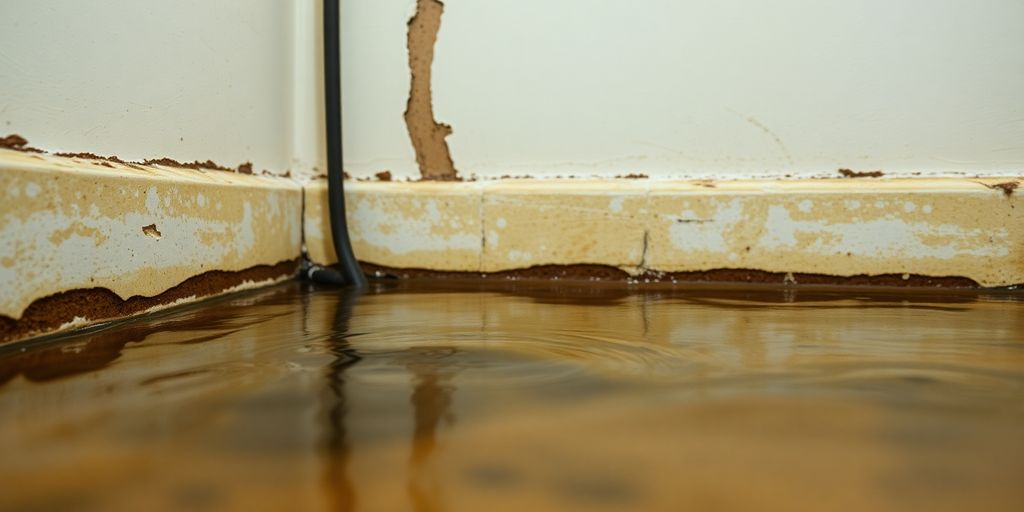
Water damage can be a nightmare for homeowners, and understanding its common causes can help you prevent it. Here are some typical culprits:
Leaky Pipes and Plumbing Issues
Leaky pipes are among the most frequent causes of water damage in homes. Over time, pipes can wear out, leading to small leaks that can go unnoticed for months. These leaks can lead to significant damage to walls, floors, and ceilings. Regular inspections can catch these problems early. Also, plumbing fixtures like faucets and toilets can malfunction. Routine maintenance is key to preventing these issues.
Roof Leaks and Gutter Problems
A roof that isn’t maintained properly can let water in during heavy rain. Missing shingles or damaged flashing can cause water to seep into your home. Clogged gutters add to the problem by allowing water to overflow onto your roof or foundation. Regularly cleaning gutters and checking your roof can help avoid these issues.
Foundation Cracks and Groundwater Intrusion
Cracks in your foundation can let groundwater seep into your basement, especially during heavy rains. This can result in moisture buildup and even flooding in severe cases. Sealing any cracks and ensuring proper drainage around your home can prevent water from getting in.
Understanding these causes can save you from costly repairs down the road. Regular maintenance and inspections are your best defense against water damage.
Identifying Signs of Water Damage in Your Home
Stains and Discoloration on Walls
Noticing stains or discoloration on your walls can be an early indication of water damage. These blemishes often appear as yellow or brown spots, and while they might seem minor at first, they can signify a more serious underlying issue. Ignoring these stains can lead to more extensive damage. Instead of just painting over them, it’s crucial to investigate the source of the moisture. Check for leaks in nearby plumbing or roof areas, as these are common culprits.
Peeling Paint and Wallpaper
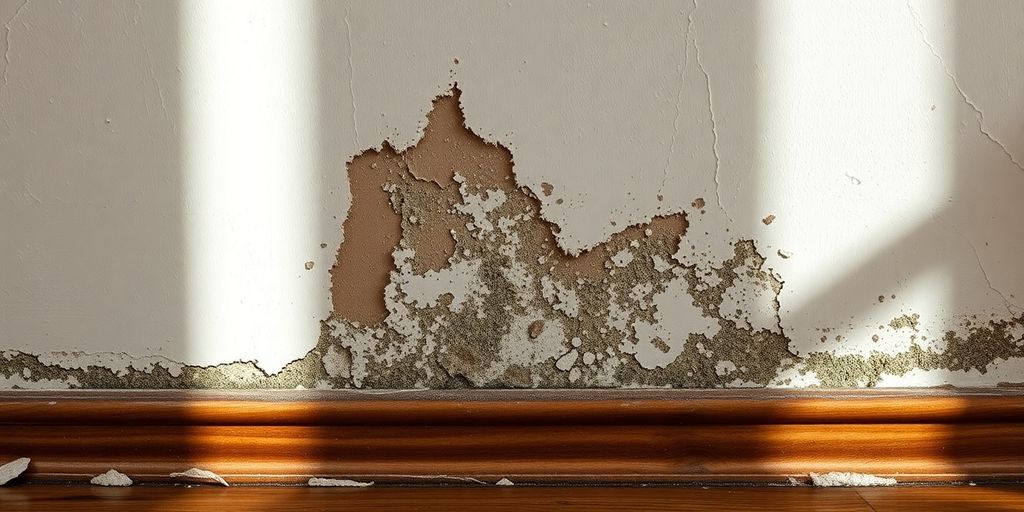
When paint or wallpaper begins to peel, it’s often a sign that moisture is seeping into your walls. This happens because excess moisture weakens the adhesive properties of the paint or wallpaper, causing it to bubble or flake off. If you notice this, it’s essential to address the issue promptly. Start by examining the affected areas for any visible leaks or signs of dampness. It’s also a good idea to use a moisture meter to assess the extent of water damage.
Musty Odors and Mold Growth
A musty smell in your home is a red flag for possible water damage. This odor typically indicates the presence of mold or mildew, which thrive in damp environments. Mold not only damages your property but can also pose health risks. To tackle this, identify and fix the source of moisture immediately. Look for mold in hidden areas, such as behind furniture or under carpets, and consider hiring a professional for a thorough inspection. Remember, mold can spread quickly, so prompt action is necessary.
Testing for Water Damage and Leaks
Using a Water Meter to Detect Leaks
One of the first steps in identifying hidden leaks is to use a water meter. This simple tool can reveal leaks that aren’t visible to the naked eye. Here’s a quick method to check for leaks:
- First, ensure all water sources in your home are turned off.
- Record the reading on your water meter.
- Wait for about three hours without using any water.
- Check the meter again. If the reading has changed, it’s likely you have a leak.
This process is a straightforward way to confirm suspicions about hidden leaks. If you find a discrepancy, it’s time to address water damage immediately.
Inspecting Plumbing and Appliances
Regular inspection of your home’s plumbing and appliances is key. Look for any signs of moisture, rust, or corrosion around pipes and fixtures. Check under sinks, around toilets, and near water-using appliances like dishwashers and washing machines. A small drip can lead to significant damage over time.
Consider these points during your inspection:
- Examine hoses and connections for wear and tear.
- Look out for puddles or wet spots around appliances.
- Listen for any unusual sounds, like dripping or gurgling.
Checking Roof and Foundation Integrity
Your home’s roof and foundation are common areas where water damage can start. Inspect your roof for missing or damaged shingles, and ensure gutters are clear and directing water away from your home. Foundation cracks can allow water to seep in, leading to serious issues.
- Regularly check for cracks or gaps in the foundation.
- Ensure gutters and downspouts are functioning properly.
- Look for water pooling near the foundation after rain.
Keeping a close eye on these areas can help prevent minor issues from becoming major problems. Regular maintenance and prompt repairs are your best defense against water damage.
Preventive Measures to Avoid Water Damage
Regular Home Maintenance Tips
Keeping up with regular maintenance is your first line of defense against water damage. Inspect your home regularly for any signs of leaks or moisture. This includes checking under sinks, around toilets, and near appliances like dishwashers and washing machines. Make sure to fix any leaks immediately to prevent them from getting worse. Also, clean your gutters and downspouts frequently to ensure they are not clogged, which can lead to water pooling and potentially damaging your roof or foundation.
Weatherproofing and Sealing Techniques
Weatherproofing your home is crucial, especially if you live in an area prone to heavy rain or snow. Start by sealing any cracks or gaps in your home’s exterior, especially around windows and doors, to prevent water from seeping in. Waterproof your basement with special paints or sealants, and consider installing a sump pump if your area is prone to flooding. Additionally, check your roof for any missing shingles or tiles and replace them promptly to avoid leaks.
Proper Landscaping and Drainage Solutions
The way your yard is landscaped can significantly impact your home’s susceptibility to water damage. Ensure that the ground slopes away from your home’s foundation so that water can naturally drain away. Install French drains if necessary to help redirect water. Be cautious about planting trees and shrubs too close to your home, as their roots can interfere with your foundation or underground pipes. It’s also wise to check that your sprinkler systems are not causing water to pool near your house.
Taking these preventive measures seriously can save you a lot of hassle and expense down the road. Water damage is not just about the immediate mess; it can lead to mold growth and structural issues, which are much harder to fix. Stay proactive, and you’ll keep your home safe and dry.
Effective Solutions for Water Damage Restoration
DIY Water Damage Repair Tips
Handling minor water damage yourself can save money and time. Start by removing any standing water using a mop or towels. Ensure the area is thoroughly dried to prevent mold growth. Use fans and dehumidifiers to speed up the drying process. If the damage is on a wall, you might need to cut out the affected drywall and replace it. Always wear protective gear to avoid exposure to contaminants.
When to Call a Professional Restoration Service
For extensive water damage, it’s best to seek professional water extraction services. Professionals have the tools and expertise to handle severe cases, ensuring that all moisture is removed and that the area is properly sanitized. They can also assess and repair structural damage, like warped floors or compromised walls. It’s crucial to act quickly to minimize further damage.
Understanding Insurance Coverage for Water Damage
Navigating insurance claims can be tricky. First, review your policy to understand what’s covered. Most policies cover sudden water damage, but not gradual issues like slow leaks. Document the damage with photos and keep records of all communication with your insurer. If needed, get estimates from contractors for repairs to support your claim. Working with an adjuster can help ensure you get fair compensation.
Health Risks Associated with Water Damage
Mold and Indoor Air Quality Concerns
Water damage can lead to the growth of mold, which poses serious health risks. Mold spores can become airborne, affecting indoor air quality and potentially causing respiratory problems. Individuals with allergies or asthma are particularly vulnerable. It’s crucial to address water damage promptly to prevent mold from spreading.
Structural Integrity and Safety Hazards
When water seeps into structural components of your home, it can weaken them significantly. Over time, this might lead to sagging ceilings, warped floors, or even collapsed walls. These issues not only compromise the safety of your home but can also lead to costly repairs. Regular inspections can help identify these problems early.
Long-term Health Implications of Water Damage
Prolonged exposure to water-damaged environments can have long-term health impacts. Chronic respiratory issues, skin irritation, and other health problems can arise from living in such conditions. It’s important to ensure thorough drying and consider professional remediation to mitigate these risks.
The Role of Technology in Water Damage Prevention
Smart Home Devices for Leak Detection
In today’s world, smart home devices have become a game-changer in preventing water damage. These devices can alert you to leaks before they become a big problem. Imagine getting a notification on your phone if a pipe bursts while you’re away. That’s the kind of peace of mind we’re talking about. Some systems can even shut off the water supply automatically. It’s like having a personal watchdog for your plumbing.
Innovative Water Damage Monitoring Systems
Modern water damage mitigation strategies rely heavily on technology. These systems use sensors and software to keep an eye on moisture levels and detect leaks early. They can be installed in areas prone to leaks like basements or under sinks. This kind of tech helps protect your home from water damage, saving you money in the long run. Plus, they’re getting more affordable, so more people can take advantage of them.
Future Trends in Water Damage Prevention
Looking ahead, the future of water damage prevention is exciting. We’re talking about advanced sensors that can predict leaks before they happen. Or systems that integrate with your home’s smart devices to provide real-time updates. The goal is to make homes smarter and safer, reducing the risk of water-related disasters. As technology evolves, these systems will become even more efficient and user-friendly.
Technology isn’t just about convenience; it’s about protecting your home and your investment. With the right tools, you can avoid costly repairs and keep your home safe from water damage.
Technology plays a crucial role in stopping water damage before it starts. With smart sensors and advanced monitoring systems, homeowners can detect leaks early and take action quickly. This not only saves money but also protects your home from serious damage. Want to learn more about how technology can help you? Visit our website today!
Wrapping It Up: Keeping Your Home Safe from Water Damage
So, there you have it. Water damage can sneak up on you, but knowing what to look for and how to handle it makes all the difference. From spotting those pesky stains on your walls to catching a musty smell in the air, being alert can save you a lot of headaches and cash down the road. Remember, regular check-ups on your plumbing and roof can prevent a lot of trouble. And if you do spot something off, don’t wait—get it checked out by a pro. It’s all about staying ahead of the game to keep your home safe and sound. Thanks for sticking around, and here’s to a dry, damage-free home!
Frequently Asked Questions
What are the common causes of water damage in homes?
Water damage often starts from leaky pipes, roof problems, or cracks in the foundation. Heavy rain and faulty plumbing can also lead to water seeping into homes.
How can I spot water damage in my house?
Look for stains on walls, peeling paint, and musty smells. Mold growth and warped walls are also signs that water may be causing damage.
What should I do if I find water damage?
If you notice water damage, it’s important to fix the source of the water right away. You might need to call a professional to help clean and repair the damage.
How can I prevent water damage in my home?
Regularly check and maintain your plumbing, roof, and gutters. Make sure your home is sealed well to keep water out, and ensure proper drainage around your house.
Is water damage covered by homeowners insurance?
Homeowners insurance usually covers sudden and accidental water damage, like from a burst pipe, but not damage from lack of maintenance or flooding.
Why is it important to address water damage quickly?
Water damage can lead to mold growth and structural issues if not addressed quickly. Fixing it promptly can save you from more costly repairs later.