
Water damage can really throw a wrench in your daily life. Whether it’s from a burst pipe or a surprise storm, dealing with the mess is never fun. You walk into a room, and suddenly, everything’s wet, and you’re left wondering what to do next. The key is knowing the steps to take right away to fix things up and prevent it from happening again. Let’s dive into how you can tackle water restoration damage head-on and make sure your home stays safe and sound.
Key Takeaways
- Quick action is vital to minimize water damage and prevent mold growth.
- Proper assessment and documentation are crucial for insurance claims.
- Effective water extraction and drying can save your home’s structure.
- Hiring a professional restoration company can simplify the recovery process.
- Regular maintenance and preventative measures can stop future damage.
Assessing the Extent of Water Restoration Damage
Types of Water Damage
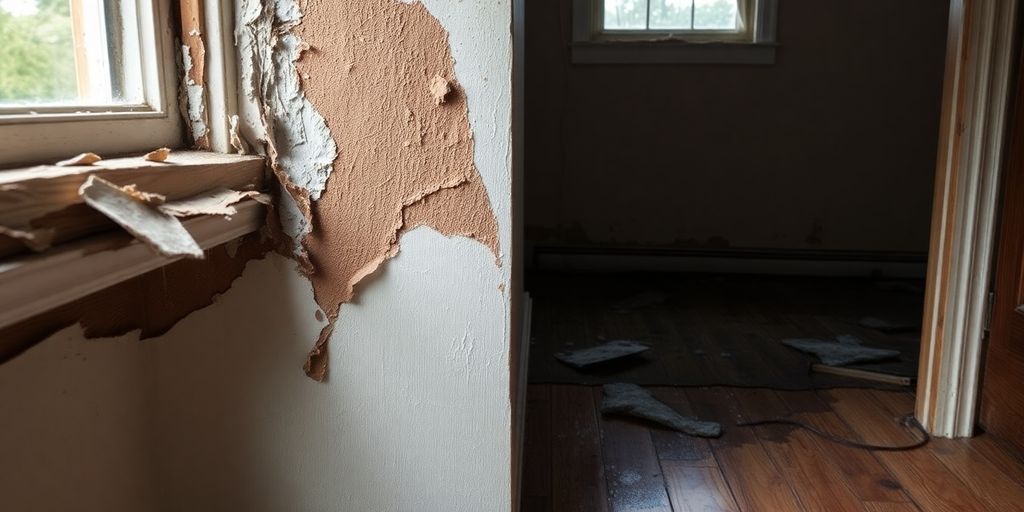
When water invades your space, it doesn’t just make a mess; it can wreak havoc in different ways. Water damage is often categorized into four distinct classes based on how much water has been absorbed and how fast it evaporates.
- Class 1: This is the least severe, where water affects less than 5% of the area. It’s like when a small spill happens on a tile floor.
- Class 2: Here, water has spread a bit more, impacting 5-40% of the area. Think of it as a more significant spill that soaks into the carpet.
- Class 3: This is serious business, with water affecting over 40% of the area. Imagine a burst pipe flooding an entire room.
- Class 4: This involves specialty drying situations, where materials like hardwood floors or concrete are deeply soaked.
Understanding these classes helps in planning the right approach to clean up and fix things.
Initial Safety Precautions
Before you start dealing with the aftermath of water damage, safety should be your first priority.
- Turn off the power: Water and electricity are a dangerous mix. Make sure the power is off to avoid any risk of electrocution.
- Move valuables: Get your important stuff out of the water’s path. This includes electronics, documents, and sentimental items.
- Wear protective gear: You don’t know what kind of contaminants might be in the water, so gloves and boots are a good idea.
- Stop the spread: If you can, use towels or other absorbent materials to prevent the water from spreading further.
Documentation for Insurance
When it comes to dealing with insurance after water damage, documentation is your best friend. Here’s how to get it right:
- Take photos and videos: Capture the damage from every angle. This is your evidence when you file a claim.
- List damaged items: Make a detailed list of everything that’s been affected, from furniture to flooring.
- Keep receipts: Save any receipts for emergency repairs or temporary lodging. This can help you get reimbursed later.
Proper documentation not only helps in getting your insurance claim approved but also speeds up the whole process. It’s all about making sure you have the proof you need to back up your claim.
By following these steps, you can ensure that you’re not just reacting to water damage, but proactively managing the situation. This approach not only helps in the water damage restoration process but also minimizes stress and financial impact.
Effective Water Removal and Extraction Techniques
Using Wet/Dry Vacuums and Pumps
When water invades your space, the first line of defense is getting it out as fast as you can. Speed is key here, because the longer water sits, the more damage it can cause. For smaller areas, a wet/dry vacuum is your best friend. It’s handy, easy to use, and can suck up water from carpets, floors, and even upholstery. If you’re dealing with larger pools, like in a basement, submersible pumps come into play. These pumps are powerful enough to handle big volumes of water efficiently.
Importance of Quick Action
Mold and mildew are like uninvited guests that show up to the party if you don’t act fast. Within just 24 to 48 hours, these pesky invaders can start growing, turning a bad situation worse. Quick action isn’t just about removing water; it’s about minimizing damage. The faster you move, the less likely you’ll face extensive repairs down the line.
Professional Water Extraction Services
Sometimes, the situation is just too overwhelming. That’s when calling in the pros for professional water extraction makes sense. They come equipped with industrial-grade tools and expertise to ensure every drop of water is removed, even from those hard-to-reach insulated walls. This thorough approach not only speeds up the drying process but also helps prevent future issues like mold or structural damage. If you’re unsure about handling it yourself, it’s better to let the professionals take over. They’ll get your home back to normal in no time.
Addressing Structural Issues After Water Damage
Inspection and Evaluation
When water seeps into your home, it can mess with the structure big time. You might notice windows leaning or doors not shutting right. Cracks in walls, ceilings, or even the foundation can pop up as well. Getting a professional in to check the damage is a smart move. They’ll look at everything from beams to walls to make sure nothing’s dangerously weakened. Having a structural engineer on board can really help in understanding the extent of the issues.
Repair or Replacement of Materials
Once you’ve got a handle on the damage, it’s time to fix things up. Sometimes, a simple repair will do, but other times, you might need to replace whole sections. Floors and walls often take the brunt of water damage. Hardwood can warp, and walls might need to have sections cut out to dry properly. It’s crucial to remove any wet insulation since it can hold water for ages. Always make sure everything is dry before starting repairs to avoid future problems like mold.
Ensuring Complete Dryness
Before you wrap up the repairs, the area must be completely dry. Mold can start growing in just 24 hours if moisture is left unchecked. Use fans, dehumidifiers, and open windows to get air flowing and reduce humidity. Aim for a humidity level below 60%. This step is critical in preventing mold and ensuring the longevity of your repairs. If you’re not sure about the drying process, consider hiring professional water restoration services that specialize in thorough drying and structural repairs. They use industrial-grade equipment to ensure everything’s bone dry, keeping mold at bay and your home safe.
Cleaning and Sanitizing Affected Areas
Removing Contaminants
After water damage, it’s important to get rid of any materials that can’t be saved. Things like soaked carpets, drywall, or insulation need to go. They can hold onto moisture and become a breeding ground for mold and bacteria. Always wear protective gear like gloves and masks when handling these materials to stay safe.
Using Industrial-Grade Sanitizers
Once the unsalvageable stuff is out, the next step is to clean. Industrial-grade sanitizers are your best bet here. They’re specifically made to tackle mold, mildew, and bacteria. Make sure to follow the instructions on the label to avoid any mishaps.
Thorough Drying to Prevent Mold
Drying everything out is crucial to stop mold from taking over. Use dehumidifiers and fans to get rid of any leftover moisture. It’s not just about drying the surface; you need to make sure the inside of walls and under floors are dry too. Mold can start growing within 24 hours, so don’t wait around.
Water damage is more than just a nuisance; it can lead to serious health problems if not cleaned up properly. Taking the time to thoroughly clean and dry affected areas not only protects your home but also your well-being.
For more insights on preventing mold and ensuring a thorough drying process, consider effective water damage restoration techniques.
Working with Restoration Professionals
Selecting the Right Restoration Company
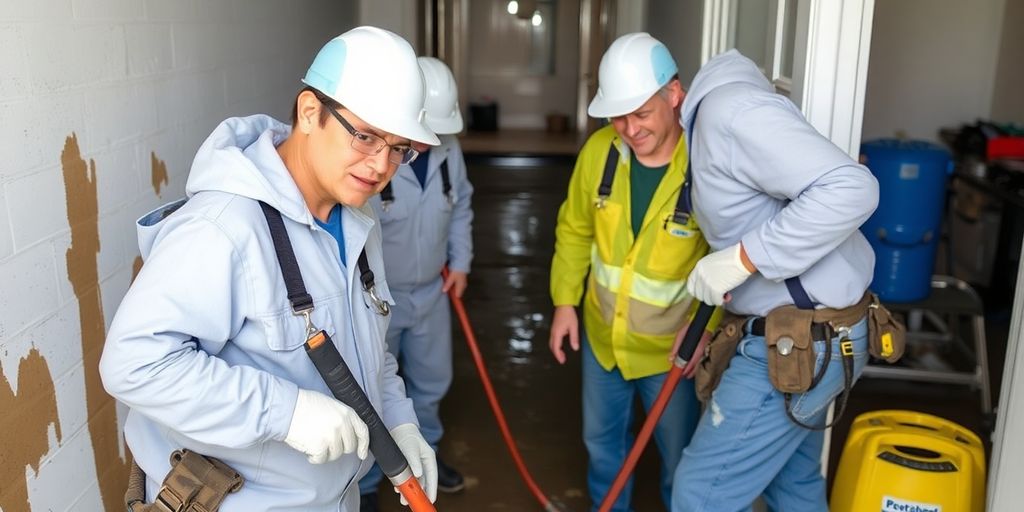
Choosing the right restoration company is a big decision. You want to make sure you’re picking a team that knows what they’re doing. Look for companies with solid experience in water damage restoration. Here are some things to consider:
- Certification: Check if the company is certified by recognized organizations like the Institute of Inspection, Cleaning and Restoration Certification (IICRC).
- Reputation: Look at online reviews and maybe ask for references. You want a company with happy customers.
- Response Time: A reliable restoration company should be able to respond quickly, ideally offering 24/7 service.
- Services Offered: Make sure they can handle everything from water extraction to drying and mold cleanup.
Understanding the Restoration Timeline
The timeline for fixing water damage isn’t the same for every situation. It really depends on how bad the damage is. Generally, the process includes several stages:
- Assessment: Professionals assess the extent of the damage to plan the restoration.
- Water Extraction: Quick removal of standing water is crucial to prevent further damage.
- Drying and Dehumidification: Using professional-grade fans and dehumidifiers to remove all moisture.
- Cleaning and Sanitizing: Cleaning everything affected, including carpets and furniture, to prevent mold and odors.
- Repairs: This can range from small fixes to major structural repairs.
Navigating the Insurance Claim Process
Dealing with insurance after water damage can be a headache. Here’s a simple way to get through it:
- Documentation: Keep a detailed record of all damage. Photos and videos can be really helpful.
- Communication: Stay in touch with your insurance company and keep them updated.
- Professional Help: Sometimes, it might be worth getting a public adjuster to help you out.
Working with professionals not only speeds up recovery but also helps prevent future issues. They bring expertise and the right tools to handle even the toughest water damage situations.
Preventing Future Water Restoration Damage
Regular Maintenance and Inspections
Regular maintenance is like the unsung hero of home care. Keeping up with routine checks can help you spot potential water issues before they become full-blown disasters. Start with a simple checklist:
- Inspect your roof for missing or damaged shingles.
- Check for leaks around windows and doors.
- Look for signs of moisture or mold in basements and attics.
These simple steps can save you a lot of hassle and money in the long run.
Installing Water Detection Devices
Imagine a tiny device that can alert you to water leaks before they get out of hand. Water detection devices are exactly that. They’re affordable and easy to install, typically placed near appliances like washing machines or dishwashers. When they sense water, they send an alert to your phone. It’s like having a personal water guard.
Proper Landscaping and Drainage
The way your yard is landscaped can have a big impact on water flow around your home. Make sure your yard is graded to direct water away from your foundation. Here are some tips:
- Grade the landscape so water flows away from your house.
- Use downspout extensions to direct water further from the foundation.
- Plant water-absorbent shrubs and trees to help soak up excess water.
Taking these steps not only protects your home but also helps maintain its value. A well-drained yard is a happy yard, and a happy yard means a happy homeowner.
For more on addressing water damage and insurance, check this out.
To keep your home safe from future water damage, it’s important to take proactive steps. Regularly check for leaks, maintain your gutters, and ensure proper drainage around your property. If you ever face water issues, don’t hesitate to reach out for help. Visit our website for expert advice and services to protect your home today!
Conclusion
Wrapping up, dealing with water damage isn’t just about fixing what’s broken. It’s about understanding the whole process, from the first signs of trouble to the final touches of repair. Working with the right professionals makes a huge difference, helping you get back to normal faster and safer. Remember, it’s not just about the structure of your home, but also about keeping your family safe and healthy. By taking the right steps and staying informed, you can handle water damage more effectively and prevent it from happening again. So, stay proactive, keep an eye out for potential issues, and don’t hesitate to call in the experts when needed. Your home and peace of mind are worth it.
Frequently Asked Questions
What should I do first when I find water damage in my home?
First, make sure everyone is safe. Turn off electricity if needed and move valuables to a dry place. Then, call your insurance company to report the damage.
How quickly should I act after water damage happens?
It’s best to act as soon as possible. Water damage can lead to mold and more problems if not addressed within 24 to 48 hours.
Can I handle water damage cleanup myself?
For small areas, you might be able to clean it up yourself using a wet/dry vacuum and fans. For larger damage, it’s best to call professionals.
How do professionals remove water from a flooded home?
They use special tools like pumps and vacuums to get rid of the water. Then, they use big fans and dehumidifiers to dry everything out.
What is mold and why is it a problem after water damage?
Mold is a type of fungus that grows in damp places. It can cause health problems and damage your home if not removed.
How can I prevent water damage in the future?
Regularly check your home for leaks, clean gutters, and consider installing water alarms. Make sure your yard slopes away from your home to keep water out.