
Dealing with water damage in your home can be a real headache. Whether it’s a burst pipe or a leaky roof, the key is to act fast. The longer water sits, the more damage it can cause. So, what should you do right away? First, make sure everyone is safe. Water and electricity don’t mix, so be careful. Next, find out where the water is coming from and try to stop it. Document everything for your insurance. Quick action can save you a lot of trouble down the road.
Key Takeaways
- Act quickly to minimize damage and prevent mold growth.
- Ensure safety by turning off electricity in affected areas.
- Identify and stop the water source immediately.
- Document all damage for insurance claims.
- Use pumps and dehumidifiers to remove water and moisture.
Immediate Actions to Take After Water Damage
Ensure Personal Safety First
When water invades your home, the first and foremost thing to do is ensure everyone’s safety. Water and electricity don’t mix, so if you need to turn off the power, but it requires stepping into water, call an electrician instead. Grab some rubber boots and gloves to protect yourself from contaminated water. If the flooding is extreme, you might even need to leave your house until it’s safe to return.
Safety always comes first, especially in emergencies. It’s better to be overly cautious than to risk injury.
Identify and Stop the Water Source
Quickly find where the water is coming from and stop it if you can. If it’s a busted pipe, turn off the water supply. If you can’t find the source, shut off the main water valve and call a plumber. This step is critical to prevent further damage. For more tips on how to immediately identify and stop the water source, make sure to act fast.
Document the Damage for Insurance
Before you start cleaning up, grab your phone or a camera and take photos of all the damage. Document everything—walls, furniture, appliances. This will be crucial for your insurance claims. Contact your insurance company right away to report the damage and find out what your policy covers. The more evidence you have, the smoother the process will be.
Assessing the Extent of Water Damage
Inspect Affected Areas Thoroughly
After a water incident, the first step is to check every nook and cranny of your home. Look for visible signs like wet spots, stains, or warped materials. Don’t just focus on the obvious areas; water can travel in unexpected ways. It’s smart to check ceilings, walls, and floors for any signs of moisture. Thorough inspections help in catching all damage early, preventing further issues down the line.
Use Moisture Meters for Hidden Water
Sometimes, water hides where you can’t see it. This is where moisture meters become invaluable. These handy tools help detect water in walls and floors that might not be visible to the naked eye. By measuring moisture levels accurately, you can find hidden water pockets and address them before they lead to mold growth or structural damage.
Evaluate Structural Integrity
Water can weaken your home’s structure, so this step is crucial. Check for signs of sagging ceilings, warped floors, or cracked walls. If you notice any of these issues, it might be time to call in a professional. They can assess whether the structure has been compromised and what steps are needed to fix it. Remember, it’s always better to be safe than sorry when it comes to the bones of your house.
"Taking the time to thoroughly assess water damage can save you a lot of headaches in the future. It ensures that all issues are addressed, preventing costly repairs and maintaining the safety of your home."
Effective Water Removal Techniques
Utilize Pumps and Vacuums
When dealing with water damage, the first step is to remove standing water. This is crucial to prevent further damage and mold growth. Submersible pumps and industrial vacuums are your best friends here. These tools can efficiently remove large volumes of water. Once the bulk of the water is out, portable wet/dry vacuums can take care of any lingering moisture on surfaces. It’s important to ensure that all standing water is removed to avoid hidden pockets of saturation that can lead to further issues.
Address Carpets and Flooring
Water can wreak havoc on carpets and flooring. To salvage carpets, special extractors can pull water from fibers and padding. Wood floors, on the other hand, need immediate attention to prevent warping. You might need to remove baseboards or even drill small holes to help dry out wall cavities. If carpets are too soaked, replacement might be the only option. Remember, quick action is vital to minimize damage.
Check Crawl Spaces and Basements
Don’t forget about the hidden areas like crawl spaces and basements. These spots can easily collect water and are often overlooked. Thoroughly check these areas for pooled water and use the same pumps and vacuums to extract it. In some cases, removing drywall or insulation that’s too wet may be necessary to ensure proper drying. These steps are vital to setting the stage for effective drying and preventing mold and structural issues.
Drying and Dehumidifying the Affected Areas
Strategic Placement of Air Movers
Once the standing water is out of the way, it’s time to get serious about drying things up. Air movers are a game-changer here. They help circulate air, which speeds up the drying process. Think of them as supercharged fans. Place them strategically around the room, focusing on corners and any hidden nooks where moisture might linger. If you’ve got a basement or crawl space, make sure those areas get some airflow too.
- Position air movers at a 45-degree angle to the walls.
- Use multiple units for larger rooms.
- Adjust the direction as needed to cover all areas.
Regular Moisture Level Checks
As you dry out the space, keep an eye on the moisture levels. A moisture meter can be your best friend here. It helps you spot any areas that aren’t drying as quickly as they should. This way, you can adjust your strategy and focus on trouble spots before they turn into bigger problems.
- Check moisture levels daily.
- Focus on high-risk areas like basements and bathrooms.
- Record readings to track progress.
Use of Dehumidifiers
Dehumidifiers are essential for pulling moisture out of the air. They work alongside air movers to ensure everything dries out completely. For best results, close off the room you’re working in to prevent new moisture from sneaking in. This can really help in avoiding mold and other issues later on.
- Set up dehumidifiers in each room with water damage.
- Empty the water tank regularly.
- Consider renting commercial-grade units for severe cases.
Getting rid of moisture fast can save you a lot of headaches down the road. Mold and mildew are sneaky, and once they set in, they’re tough to get rid of. Better to tackle the problem head-on with the right tools and a bit of patience.
For more on advanced drying methods, check out this blog which dives deeper into innovative techniques for water damage restoration.
Cleaning and Sanitizing Post-Water Damage
Apply Antimicrobial Treatments
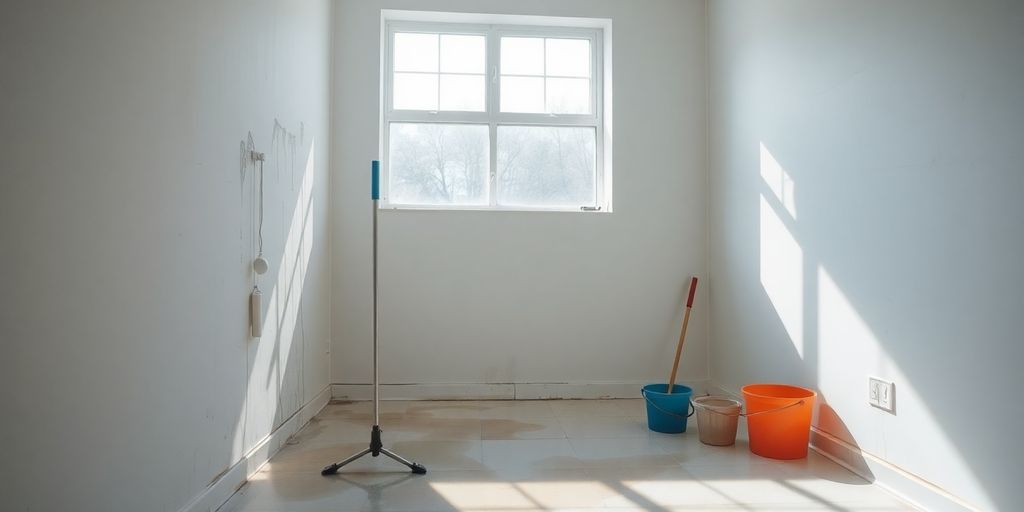
After water damage, it’s crucial to sanitize all affected areas to prevent mold and bacteria growth. Antimicrobial treatments are essential in killing any remaining germs and stopping mold spores from taking root. These treatments are especially important for porous materials, like carpets and upholstery, which can harbor moisture and bacteria. Using professional-grade solutions ensures that all surfaces are thoroughly disinfected.
Deep Clean Carpets and Upholstery
Carpets and upholstery absorb water quickly and can become breeding grounds for mold and bacteria if not cleaned properly. A deep cleaning process is necessary to remove dirt, bacteria, and any remaining moisture. This often involves steam cleaning or using specialized cleaning agents designed for water-damaged fabrics. It’s important to address these items promptly to prevent permanent damage or the need for replacement.
Deodorize to Remove Musty Smells
One of the lingering effects of water damage is the musty odor that can permeate the home. Deodorizing is a critical step in the cleaning process. Using air scrubbers and deodorizers can effectively remove these unpleasant smells. This not only improves air quality but also makes the living environment more comfortable.
It’s amazing how a thorough cleaning and deodorizing can transform a space, making it feel fresh and new again.
For comprehensive water damage restoration, it’s often best to consult with professionals who can ensure the job is done right. Explore water damage restoration services that offer complete cleaning, sanitizing, and repair solutions to restore your home to its pre-damage condition.
Restoration and Repair Strategies
Replace Damaged Drywall and Flooring
Once you’ve tackled the immediate chaos of water damage, it’s time to focus on replacing the damaged materials. Drywall and flooring often bear the brunt of water exposure. Drywall that’s been soaked might need complete removal, especially if it’s warped or if mold has started to grow. The same goes for flooring; hardwood can warp, while carpets might hold onto moisture and odors. It’s a good idea to bring in professionals to assess whether these materials can be salvaged or need replacing.
Repaint and Rebuild Affected Areas
After replacing the main materials, the next step is to repaint and rebuild. This involves not just slapping on a new coat of paint but ensuring that the walls are properly prepped and sealed to prevent future issues. If you’ve had to remove sections of drywall, you’ll need to patch these areas before painting. Rebuilding might also involve replacing trim, baseboards, or other architectural details that were damaged.
Prevent Future Water Issues
Finally, it’s crucial to address what caused the water damage in the first place to prevent it from happening again. This might mean fixing leaky pipes, improving drainage systems, or even installing a sump pump if your basement is prone to flooding. Consider consulting with a professional service like Ruach Home Services, who can offer expert advice and solutions tailored to your home’s specific needs. Taking these steps can help ensure that your home remains safe and dry in the future.
Remember, while it might seem overwhelming, restoring your home after water damage can also be an opportunity to improve and update your space. With the right approach and resources, you can turn a challenging situation into a fresh start.
Health Risks and Mold Prevention
Recognize Early Signs of Mold
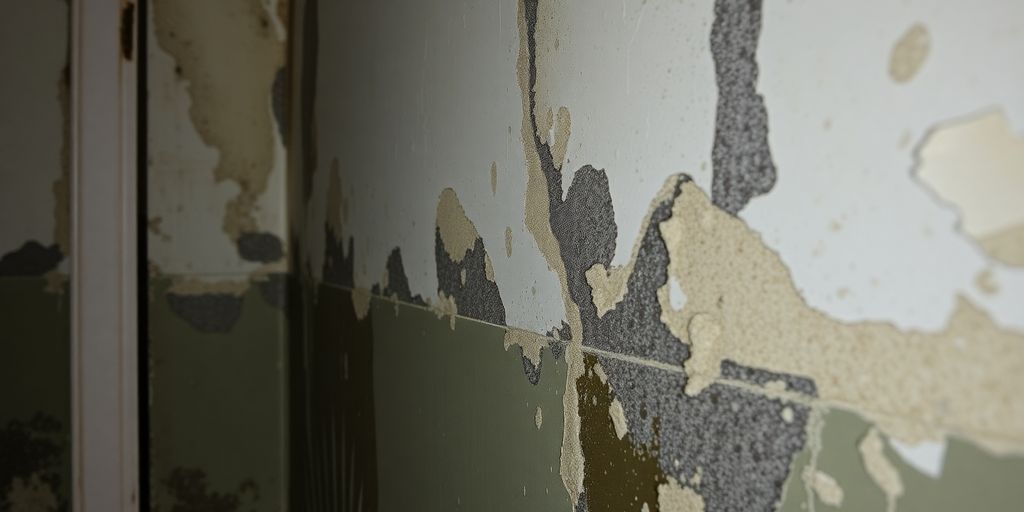
Spotting mold early can save you a lot of trouble. Often, the first signs are a musty smell or dark spots appearing on walls and ceilings. Mold can start to grow within 24 to 48 hours after water damage. If you notice any of these signs, it’s crucial to act quickly. Mold spores can cause respiratory issues, allergies, and other health problems.
Implement Mold Remediation Steps
Getting rid of mold involves several steps. First, ensure that any wet areas are dried completely within 24-48 hours. Clean moldy surfaces with water and detergent, and discard items that can’t be cleaned. Using dehumidifiers helps keep humidity levels low, which is key in preventing mold growth. Sometimes, you might need to call in the pros for bigger mold issues.
- Dry wet areas quickly
- Clean with detergent and water
- Discard non-cleanable items
- Use dehumidifiers to maintain low humidity
Maintain Low Humidity Levels
Keeping your home dry is essential to prevent mold. Aim to keep humidity levels between 30-50%. You can use air conditioners and dehumidifiers to help manage this. Regularly check for leaks and fix them promptly. Open windows and use fans to improve air circulation. These steps not only help in mold prevention but also make your home a healthier place to live.
Mold can be sneaky, but with the right steps, you can keep it at bay. Regular checks and quick actions are your best defense against mold taking over your home.
Mold can be a serious problem for your health, causing issues like allergies and breathing problems. To keep your home safe, it’s important to prevent mold growth. Make sure to keep your home dry and well-ventilated. If you notice any signs of mold, act quickly to remove it. For more tips on how to protect your home from mold, visit our website today!
Wrapping It Up: Your Quick Guide to Water Damage Recovery
So, there you have it. Dealing with water damage is no walk in the park, but taking the right steps can make a world of difference. First things first, stop the water and make sure everything’s safe. Then, get that water out and start drying things up. Don’t forget to call your insurance and document everything. It’s a lot to handle, but remember, you don’t have to do it alone. Professionals are there to help, and sometimes, it’s just best to let them take over. Keep an eye out for mold and other issues down the line. With some patience and the right moves, you’ll have your home back to normal in no time. Stay safe and take care!
Frequently Asked Questions
What should I do first when I find water damage in my house?
First, make sure everyone is safe. Turn off the power and water supply if it’s safe to do so. Then, start documenting the damage with photos for insurance purposes.
How can I tell how bad the water damage is?
Check all the areas that got wet. Use moisture meters to find hidden water spots. Look for any damage to the walls, floors, or ceilings.
What’s the best way to get rid of water in my house?
Use pumps or wet vacuums to remove standing water. Make sure to dry carpets and floors quickly to prevent mold from growing.
How do I dry out my home after water damage?
Set up fans and dehumidifiers to dry the area. You should check moisture levels often to make sure everything is drying properly.
Why is it important to clean and sanitize after water damage?
Cleaning and sanitizing help remove germs and bad smells. It also prevents mold from growing, which can cause health problems.
How can I stop mold from growing after water damage?
Dry everything out quickly, ideally within 24-48 hours. Keep the humidity low and clean any moldy surfaces with soap and water.