
Water damage can turn your life upside down in an instant. Whether it’s from a busted pipe, a leaky roof, or a natural disaster, the aftermath can be overwhelming. You might be standing in your living room, ankle-deep in water, wondering what to do next. The key is to act quickly and methodically to minimize damage and ensure safety. In this article, we’ll walk you through the steps to take when faced with water damage, from immediate actions to long-term solutions.
Key Takeaways
- Ensure your safety first by turning off electricity and water if it’s safe to do so.
- Document all damage with photos and videos for insurance purposes before starting cleanup.
- Use temporary fixes like tarps for roof damage and boards for broken windows to prevent further issues.
- Dry out affected areas quickly with fans and dehumidifiers to prevent mold growth.
- Contact a professional restoration company to assess and repair serious damage.
Understanding the Immediate Steps to Take After Water Damage
Ensuring Personal Safety First
When water damage hits your home, the first thing to focus on is keeping everyone safe. Safety should always be your top priority. If there’s a lot of water, or if the structure seems unstable, get everyone out. Don’t mess around with electricity if there’s water nearby. It’s a good idea to leave and call the power company if you’re worried about electrical hazards.
Turning Off Utilities Safely
If it’s safe, turn off the water supply to stop more water from coming in. The same goes for electricity—shut it off at the breaker if you can do so without getting wet. Gas lines should be turned off too, but only if you know how to do it safely. If you’re not sure, it’s better to wait for professionals.
Documenting the Damage for Insurance
Before you start cleaning up, take photos or videos of everything. This is super important for insurance claims. Make sure to capture all the damage, including things that might not seem obvious right away. Keep a list of damaged items, and don’t throw anything away until your insurance company gives the okay. Homeowner’s insurance might cover sudden water damage, but not gradual issues, so documenting everything is crucial.
How to Mitigate Further Damage While Waiting for Help
Temporary Fixes for Roof and Windows
When your home faces water damage, it’s crucial to act swiftly to prevent further destruction. Start by checking your roof and windows. If you find any leaks or broken areas, cover them immediately. Use a heavy-duty tarp or plastic sheeting for the roof, securing it with ropes or weights to withstand wind. For windows, plywood or plastic sheeting can help keep out rain and debris. These are temporary solutions, but they can make a big difference in minimizing additional water intrusion.
Using Fans and Dehumidifiers
Once you’ve stopped more water from getting in, it’s time to dry things out. Set up fans and dehumidifiers in the affected areas to help remove moisture from the air and surfaces. This step is essential to prevent mold, which can start growing within 24 to 48 hours. If you don’t have a dehumidifier, consider renting one from a local hardware store. Remember, keeping air circulating is key to speeding up the drying process.
Protecting Valuables and Belongings
While waiting for professional help, move your valuables to a safer location. If possible, relocate items like electronics, important documents, and cherished keepsakes to a dry area. Elevate furniture on blocks or move it to a higher floor if flooding is a concern. Use waterproof bins for smaller items to add an extra layer of protection. Taking these steps can save you from losing precious belongings and reduce the overall damage to your home.
While these measures are temporary, they are vital in safeguarding your home from further harm. Acting quickly can significantly reduce the extent of damage and make the restoration process smoother once help arrives.
Cleaning and Sanitizing Your Home After Water Damage
Handling Hard and Soft Surfaces
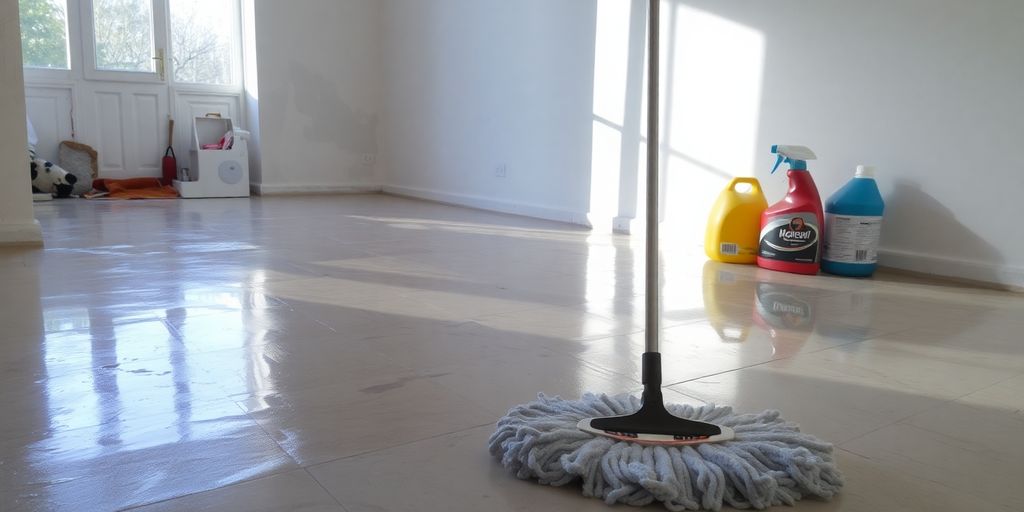
After a flood or any water-related disaster, your first task is to tackle the mess. Start by removing any standing water and drying out soaked areas. For hard surfaces like floors and countertops, use hot water mixed with soap or detergent for a thorough clean. Once clean, disinfect these surfaces using bleach or a commercial disinfectant. Be sure to follow the instructions on the product label for safety.
For soft surfaces such as upholstered furniture, rugs, and clothing, it’s best to dry them outside if possible. Sunlight and fresh air can help speed up the drying process. Remember, if these items can’t be dried and cleaned properly, they might need to be disposed of to prevent mold growth.
Disposing of Contaminated Items
It’s tough, but sometimes you have to let go of things. If items like mattresses, carpets, and stuffed toys have been soaked and can’t be cleaned, it’s best to throw them out. The rule of thumb is: when in doubt, throw it out. This also applies to food, beverages, and medications that have been in contact with floodwaters.
Sanitizing Food Contact Surfaces
Food safety is crucial after water damage. Any wooden cutting boards, plastic utensils, or baby bottle nipples that touched floodwater should be discarded. For metal pans and ceramic dishes, wash them thoroughly with hot, soapy water. Then, sanitize them by either boiling them in clean water or soaking them in a bleach solution (one tablespoon of unscented liquid bleach per gallon of water) for 10 to 15 minutes.
Cleaning up after water damage can be overwhelming, but taking it step by step makes it manageable. Remember to prioritize safety and ensure that everything you keep is thoroughly cleaned and sanitized. If you’re unsure, identify the water source and stop the flow before proceeding with any cleanup. This ensures a safer and more effective recovery.
Choosing the Right Restoration Company
When faced with water damage, picking the right restoration company can feel like a daunting task. But it’s crucial to get it right. A good company can make the recovery process smoother and less stressful.
What to Look for in a Restoration Service
First off, you want a company that offers 24/7 support. Water damage can happen at any time, and you need a team that’s ready to jump into action whenever disaster strikes. Fast response times are essential to minimize the damage.
Make sure the company is certified and trained. This ensures they know what they’re doing and can handle the situation efficiently. Look for companies with a solid track record and positive reviews from past clients.
The Importance of 24/7 Support
Having access to a restoration service that operates round the clock means you don’t have to wait for help. Immediate action can prevent further damage and reduce the overall cost of repairs. It’s reassuring to know that whenever you need them, they’ll be there.
Coordinating with Your Insurance
A good restoration company will not only fix the damage but also help you navigate the insurance process. They’ll work with your insurance company to make sure everything is covered and you get the support you need. This coordination can make a big difference in how quickly and smoothly your home is restored.
Choosing the right restoration company isn’t just about fixing what’s broken. It’s about finding a partner who will guide you through the chaos and help you get back to normal as quickly as possible.
If you’re in Arlington, Virginia, consider Ruach Home Services for their expert water damage restoration. They prioritize customer satisfaction and quality solutions, ensuring your home is restored efficiently and effectively.
Preventing Mold Growth and Ensuring Structural Integrity
Quick Drying Techniques
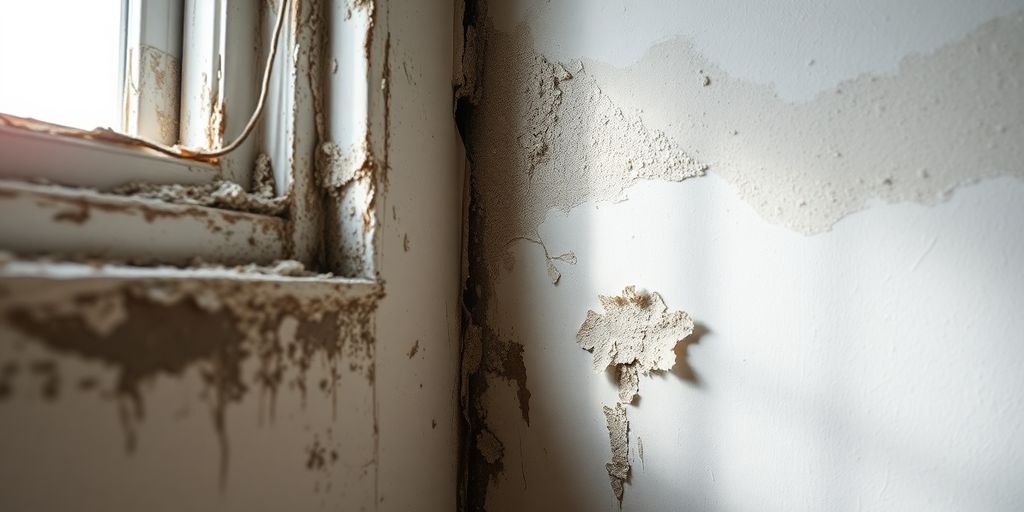
When your home gets hit by water damage, acting fast is key. Mold can start growing in just a day or two, so you want to dry everything out quickly. Focus on areas that are likely to stay wet, like basements and bathrooms. If you can’t dry your carpets or upholstery within 48 hours, it might be best to get rid of them to stop mold from taking over. Using dehumidifiers can really help, especially in places where the air stays damp for a long time. Keep humidity levels below 60% to make it harder for mold to thrive.
- Use fans to boost airflow and speed up drying.
- Remove soaked materials like carpets or upholstery if they can’t dry fast.
- Run dehumidifiers to lower moisture levels in the air.
Assessing Structural Damage
Water damage isn’t just about soggy carpets. It can mess with the very bones of your house. Walls, floors, and ceilings can all take a hit. When water hangs around too long, it can make materials like wood and drywall weak or warped. This could mean big repair bills down the line. It’s a smart move to have a pro check things out to see if anything needs fixing or replacing. And don’t forget about your electrical system—water and electricity are a bad mix, so get that checked too.
- Look for signs of warping or weakening in walls and floors.
- Have a professional assess any potential structural damage.
- Ensure electrical systems are safe to use after water exposure.
Using Dehumidifiers Effectively
Dehumidifiers are your best friend when trying to stop mold from setting up shop in your home. They help suck the extra moisture out of the air, making it tough for mold to grow. Place them in the dampest areas of your house, like the basement or any room that got flooded. Make sure to keep them running until everything is nice and dry.
Don’t underestimate the power of a good dehumidifier. It can make all the difference in keeping your home mold-free and structurally sound after water damage.
- Position dehumidifiers in areas with the highest moisture.
- Keep them running continuously for effective moisture control.
- Regularly check and empty the water collection container.
Understanding the Health Risks Associated with Water Damage
Identifying Potential Hazards
Water damage can invite a host of health risks, and knowing what to look out for is crucial. Mold is a primary concern, often growing within 24 to 48 hours in damp environments. It’s not just a cosmetic issue; mold can cause respiratory problems, allergies, and even infections if left unchecked. Areas like basements and bathrooms are particularly susceptible due to their high moisture levels. Besides mold, water from sewage backups or flooding can harbor harmful bacteria and pathogens. This type of contamination can lead to severe health issues if not handled properly.
Protective Measures to Take
To safeguard your health, it’s essential to take immediate action. Here’s a quick list of protective measures:
- Wear protective gear such as gloves and masks when entering affected areas.
- Avoid contact with contaminated water; it’s safer to let professionals handle it.
- Use dehumidifiers and fans to dry out spaces quickly, reducing the chance for mold to grow.
- Remove and discard any materials or items that can’t be thoroughly cleaned and dried.
- Ensure proper ventilation by opening windows and doors to facilitate airflow.
When to Seek Professional Help
Sometimes, the extent of water damage and potential health risks are too significant to manage alone. If you notice persistent mold growth, strong odors, or if contaminated water is involved, it’s time to call in the experts. Professional services can assess the situation, remove hazardous materials, and help restore your home to a safe condition. They have the right tools and expertise to handle these challenges effectively. Remember, addressing these issues early can prevent more serious health problems down the line. For more on essential steps to take after water damage, check out our homeowner’s guide.
Water damage can lead to serious health problems, including mold growth and structural issues. It’s important to act quickly to prevent these risks. If you suspect water damage in your home, don’t wait! Visit our website to learn more about how we can help you restore your space safely and effectively.
Wrapping It Up
Dealing with water damage can feel like a never-ending battle, but taking the right steps can make all the difference. Remember, safety comes first—always. Once you’re sure it’s safe, start by removing any standing water and drying out the area as best as you can. Don’t forget to document everything for your insurance claim. It’s tempting to tackle everything yourself, but sometimes calling in the pros is the best move. They have the tools and know-how to get your home back in shape. Keep in mind, the faster you act, the less damage you’ll have to deal with in the long run. So, stay calm, follow the steps, and you’ll be on your way to restoring your home.
Frequently Asked Questions
What should I do first if my house has water damage?
First, make sure everyone is safe. If the water is near electrical outlets or appliances, turn off the power. Don’t touch anything electrical if there’s water around. Then, call your insurance company to start a claim.
Can I clean up water damage by myself?
For small water spills, you can use towels and a wet/dry vacuum. Open windows and use fans to help things dry. But if there’s a lot of water, it’s best to call experts to make sure everything is cleaned up safely.
How can I stop mold from growing after water damage?
To prevent mold, dry everything quickly. Use fans and dehumidifiers to get rid of moisture. If carpets or furniture are wet for more than two days, they might need to be removed to stop mold.
What do I need to throw away after a flood?
Throw away any food, drinks, or medicine that got wet. Also, get rid of wooden kitchen tools and baby items that touched the water. When in doubt, it’s safer to throw it out.
How do I choose a good restoration company?
Look for a company that has 24/7 service, quick response times, and trained workers. It’s important they can work with your insurance company, too.
Why is fast action important after water damage?
Acting quickly can stop more damage from happening. The faster you dry things, the less chance there is for mold to grow and for your home’s structure to get damaged.