
Water damage can happen suddenly and lead to serious problems if not addressed quickly. It’s important for homeowners to know the right steps to take immediately after discovering water damage in their homes. This article outlines essential actions to protect your property and ensure safety during this stressful time.
Key Takeaways
- Contact your insurance company right away to start the claims process.
- Ensure your safety by turning off the power and avoiding wet areas.
- Document all damage with photos for your insurance claim.
- Remove standing water quickly to prevent further damage.
- Look out for signs of mold growth and take steps to prevent it.
Immediate Actions to Take After Water Damage
After experiencing water damage, it’s crucial to act quickly to minimize further issues. Here are the essential steps you should take immediately:
Contacting Your Insurance Company
Reach out to your insurance provider as soon as possible. They will send an adjuster to assess the damage and determine what is covered under your policy. Make sure to document everything with photos and notes to support your claim.
Ensuring Personal Safety
Your safety is the top priority. Before entering any flooded areas, ensure that the power is turned off to avoid electric shock. If you need to enter wet areas, consider calling a professional instead of risking your safety.
Documenting the Damage
Take detailed photos of all affected areas and items. This documentation will be vital for your insurance claim. Make a list of damaged items, including their value, to help with the claims process.
Stopping the Water Source
If possible, identify and stop the source of the water. For instance, if a pipe is leaking, turn off the water supply to prevent further flooding. If you cannot find the source, it’s best to contact a plumber for assistance.
Acting quickly can prevent further damage and reduce the risk of mold growth. Remember, the longer water sits, the more damage it can cause, so take these steps seriously!
Protecting Your Home and Valuables
Turning Off the Power
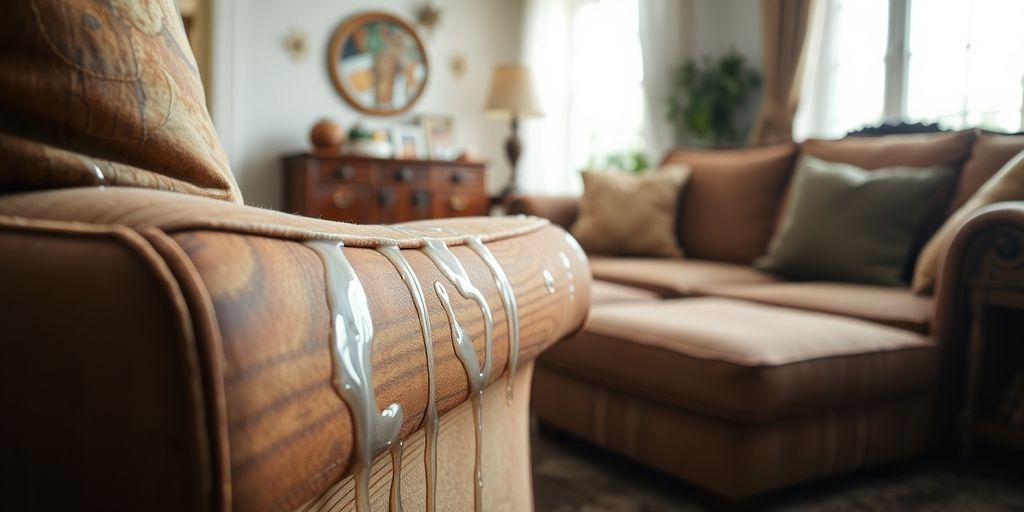
When dealing with water damage, safety is the top priority. If you can safely access your electrical panel, turn off the power to prevent any electrical hazards. If the area is wet, it’s best to call an electrician instead of risking your safety.
Wearing Protective Gear
Before entering a water-damaged area, make sure to wear protective gear. This includes rubber boots and gloves to keep you safe from injuries and bacteria in the water. Always prioritize your health when dealing with such situations.
Safeguarding Important Items
To protect your valuables, consider these steps:
- Lift furniture off wet carpets using tin foil under the legs to prevent stains.
- Remove rugs from wet floors to avoid further damage.
- Store important documents in a safe, dry place.
Avoiding Contaminated Water
Be cautious of standing water, as it may be contaminated. Avoid contact with it, and if you must enter, wear protective clothing. Contaminated water can pose serious health risks, so always take precautions to keep yourself safe.
Drying Out Your Home Effectively
Removing Standing Water
The first step in drying out your home is to remove any standing water. You can use buckets or plastic tubs to scoop out water. If there’s a lot of water, consider renting a wet-dry vacuum to make the job easier. Once most of the water is gone, use a mop to soak up any remaining moisture in hard-to-reach spots.
Using Fans and Dehumidifiers
After removing the water, it’s important to dry out the area thoroughly. Using fans and dehumidifiers can help speed up this process. Fans circulate air, while dehumidifiers pull moisture from the air, making it easier to dry out your home. If you have central air conditioning, turn it on to help reduce humidity levels.
Ventilating the Area
Make sure to ventilate the area by opening windows and doors. This allows fresh air to flow in and helps to dry out damp areas. Proper ventilation is key to preventing mold and mildew from forming.
Hiring Professional Help
If the water damage is extensive, it might be best to hire professionals. They have the right tools and experience to dry out your home effectively. Professional restoration services can ensure that your home is dried properly and safely, reducing the risk of future problems.
Remember, starting the drying process within the first 24 hours is crucial to prevent mold growth. The faster you act, the better your chances of saving your home and belongings.
Preventing and Identifying Mold
Early Signs of Mold
Mold can start growing within the first 24 to 48 hours after water damage. Look for signs like:
- Furry spots on walls or ceilings
- A musty smell in the air
- Discoloration on surfaces
If you notice any of these signs, it’s important to act quickly to prevent further growth. Dry wet areas as soon as possible to avoid mold.
Steps to Prevent Mold Growth
To keep mold from taking hold in your home, follow these steps:
- Remove wet items immediately.
- Use fans and dehumidifiers to dry out the area.
- Ensure proper ventilation in your home.
- Fix leaks and seepage to stop water from entering.
When to Call a Mold Specialist
If you see mold or suspect it’s growing, it’s best to call a professional. They can check areas you might not see, like behind walls or in ducts. Don’t wait too long, as mold can cause health issues and damage your home.
Health Risks of Mold Exposure
Mold can lead to various health problems, especially for those with allergies or asthma. Symptoms may include:
- Coughing and sneezing
- Skin irritation
- Breathing difficulties
Act fast to protect your health and your home from mold damage!
Assessing and Repairing Water Damage
Conducting a Thorough Inspection
After experiencing water damage, the first step is to conduct a thorough inspection of your home. This means checking all areas for signs of water, including walls, ceilings, and floors. Look for discoloration, peeling paint, or damp spots. If you notice any of these signs, it’s crucial to act quickly to prevent further damage.
Deciding What Can Be Salvaged
Once you’ve assessed the damage, it’s time to decide what can be salvaged. Here are some tips:
- Keep items that are dry and undamaged.
- Throw away items that are soaked and cannot be cleaned.
- Consult with professionals for valuable items.
Repairing Structural Damage
If the inspection reveals structural damage, it’s important to address it immediately. This may include:
- Replacing damaged drywall.
- Fixing warped floors.
- Reinforcing weakened beams.
Ignoring structural issues can lead to bigger problems down the line.
Restoring Personal Belongings
Finally, restoring your personal belongings is essential. This can involve:
- Cleaning and drying items like furniture and clothing.
- Using specialized services for electronics.
- Consulting professionals for valuable or delicate items.
Remember, timely action can save your home from further damage and help you recover faster.
In summary, assessing and repairing water damage involves a careful inspection, deciding what can be saved, addressing structural issues, and restoring your belongings. Taking these steps can help you get back to normal as quickly as possible. For comprehensive help, consider reaching out to certified professionals who specialize in water damage restoration, like those at Ruach in Arlington, Virginia, who offer a range of services from assessment to complete restoration.
When to Move Back Into Your Home
Getting Clearance from Professionals
Before you think about moving back in, make sure you have the green light from your insurance company, the restoration team, and local authorities if needed. This ensures your home is safe and ready for you.
Ensuring Complete Dryness
Check that every part of your home is completely dry. Use a moisture meter if you have one. If there’s still moisture, it’s best to wait longer.
Checking for Mold and Mildew
Look for any signs of mold or mildew. If you see any, it’s important to address it before moving back in. Mold can be harmful to your health, so don’t take any chances.
Restoring Utilities Safely
Once everything is clear, you can start restoring utilities like water and electricity. Make sure everything is in good working order before you return.
Remember, moving back in too soon can lead to health risks and further damage. Always prioritize safety!
In summary, take these steps to ensure your home is safe:
- Get clearance from professionals.
- Ensure everything is dry.
- Check for mold.
- Restore utilities carefully.
Following these steps will help you avoid issues later on. If you’re unsure, it’s always best to consult a professional.
Act quickly to minimize damage.
Choosing the Right Water Damage Restoration Service
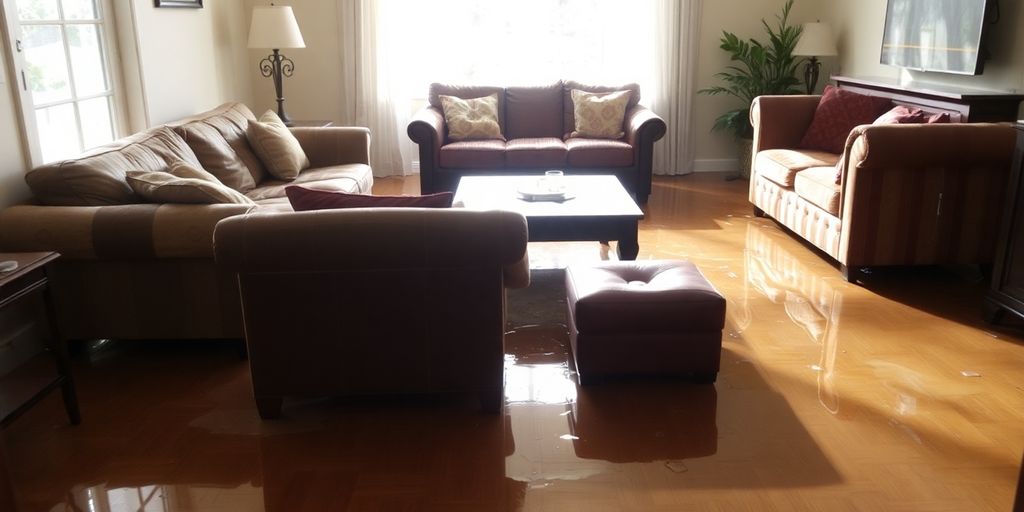
When faced with water damage, finding the right restoration service is crucial. Here are some steps to help you make the best choice:
Researching Local Services
- Look for companies that specialize in water damage restoration.
- Check their availability, especially for emergency services.
- Ensure they have a good reputation in your community.
Reading Reviews and Testimonials
- Look for customer feedback on websites and social media.
- Pay attention to reviews that mention timeliness and quality of work.
- Ask friends or family for recommendations based on their experiences.
Comparing Quotes and Services
- Get estimates from multiple companies to understand the average cost.
- Compare what services are included in each quote.
- Be cautious of prices that seem too low; they may indicate lower quality.
Ensuring Proper Licensing and Insurance
- Verify that the company is licensed to operate in your area.
- Check if they have insurance to cover any potential damages during the restoration process.
- A reputable company will be transparent about their credentials.
Choosing the right service can save you time and money in the long run. Make sure to do your homework before making a decision.
By following these steps, you can ensure that you select a reliable water damage restoration service that meets your needs. Remember, quick action can prevent further damage and help restore your home effectively.
When it comes to picking the best water damage restoration service, it’s important to choose wisely. Look for a company that responds quickly, has good reviews, and offers a range of services. At Ruach Home Services, we are dedicated to helping you restore your home to its original state. Don’t wait—visit our website today to learn more and schedule your appointment!
Final Thoughts on Water Damage Response
Dealing with water damage can be really tough, but knowing what to do can make it easier. Always remember to keep yourself and your family safe first. Call your insurance company right away to see what help you can get. Start cleaning up the water and drying your home as soon as you can to stop mold from growing. Don’t hesitate to ask for help from professionals if the damage is too much to handle alone. By taking these steps quickly, you can protect your home and belongings from further harm.
Frequently Asked Questions
What should I do first after water damage?
The first thing to do is ensure everyone’s safety. Then, turn off the power and contact your insurance company.
Will my insurance cover the water damage?
It depends on your policy. Most homeowners insurance covers sudden damage, but flood damage might need separate coverage.
How can I tell if there is mold?
Look for musty smells, discoloration on walls, or visible mold spots. If you suspect mold, it’s best to call a professional.
How long does it take to dry out a home after water damage?
If you start drying within the first 24 hours, it can take about 3 to 4 days to fully dry out your home.
What items can I save after water damage?
Items like metal, glass, and some hard plastics can often be cleaned and saved, but porous materials like carpets might need to be replaced.
When is it safe to move back into my home?
You should only move back in once professionals confirm that the area is dry, safe, and free from mold.